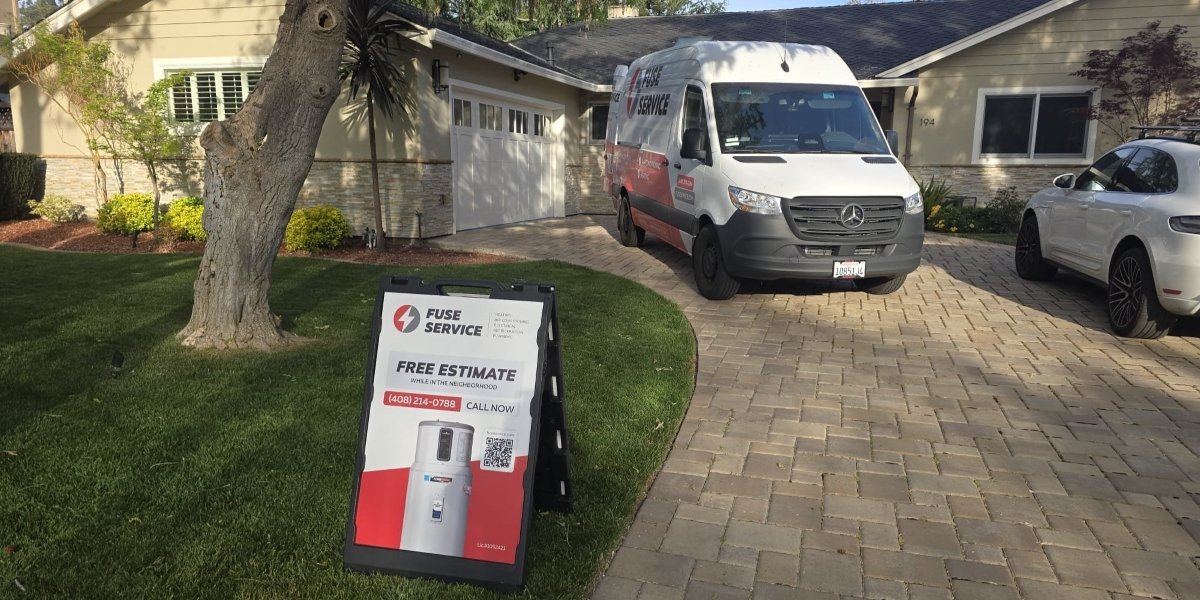
By Fuse Service Inc.
Every summer in California, the same pattern repeats itself. Temperatures spike, air conditioners begin running nonstop, and suddenly HVAC companies are flooded with emergency calls from homeowners whose systems stopped working during the hottest days of the year.
According to HVAC professionals at Fuse Service, most of these breakdowns do not happen randomly. In many cases, the warning signs were there weeks, sometimes months, before the system finally failed.
We spoke with a Fuse Service HVAC expert, Michael, about why cooling systems struggle during heat waves, what homeowners commonly overlook, and how small maintenance issues can quickly become expensive emergencies.
What HVAC Technicians Wish Homeowners Did Before Summer Starts
“Extreme heat puts continuous stress on every part of the system,” explains Michael. “Your AC may normally cycle on and off throughout the day, but during a heat wave it can run almost constantly for hours.”
That nonstop operation exposes existing weaknesses inside the system. Dirty filters reduce airflow, aging capacitors overheat, refrigerant issues become more noticeable, and electrical components experience heavier demand than usual.
In older California homes, the situation can become even more challenging. Many houses were not originally designed for modern cooling demands, especially as homeowners add larger HVAC systems, smart devices, EV chargers, and other high-energy appliances.
What Warning Signs Do Homeowners Usually Ignore?
One of the biggest mistakes homeowners make is waiting until the AC completely stops working before calling for service.
“There are usually early signs,” Michael says. “People just assume the system is getting older or that the heat outside is the only problem.”
Some of the most common warning signs include:
- Weak airflow from vents
- Rooms cooling unevenly
- Longer cooling cycles
- Strange noises or vibrations
- Higher-than-normal energy bills
- Warm air coming from the vents
- Frequent thermostat adjustments
Even something as simple as a clogged air filter can force the system to work harder than necessary, increasing wear on major components.
Why Do Systems Seem to Fail on the Hottest Day of the Year?
During extreme heat, HVAC systems are pushed close to maximum capacity for extended periods. Components that may have survived under normal conditions can suddenly fail under heavy strain.
“It’s similar to driving a car uphill for hours without a break,” the Fuse Service expert explains. “The extra stress exposes anything already weakening inside the system.”
Unfortunately, that also means repair schedules become overloaded exactly when homeowners need help the most.
Can Preventative Maintenance Really Make a Difference?
According to Fuse Service, regular HVAC maintenance remains one of the most effective ways to reduce emergency breakdowns.
Seasonal inspections help identify worn electrical parts, refrigerant issues, airflow restrictions, and drainage problems before summer temperatures peak. Maintenance also helps systems operate more efficiently, which can lower energy costs during periods of heavy AC use.
For many homeowners, preventative service is significantly less expensive than emergency repairs during peak season.
Preparing Before the Next Heat Wave
California summers continue to bring longer and more intense heat events, making HVAC reliability increasingly important for homeowners.
The best time to inspect a cooling system is not during a breakdown,it is before the hottest temperatures arrive. Small issues caught early can often prevent major failures later, especially when systems are expected to run continuously for days at a time.
As Fuse Service technicians see every year, preparation often makes the difference between staying comfortable during a heat wave and scrambling for emergency repairs when temperatures are already at their highest.