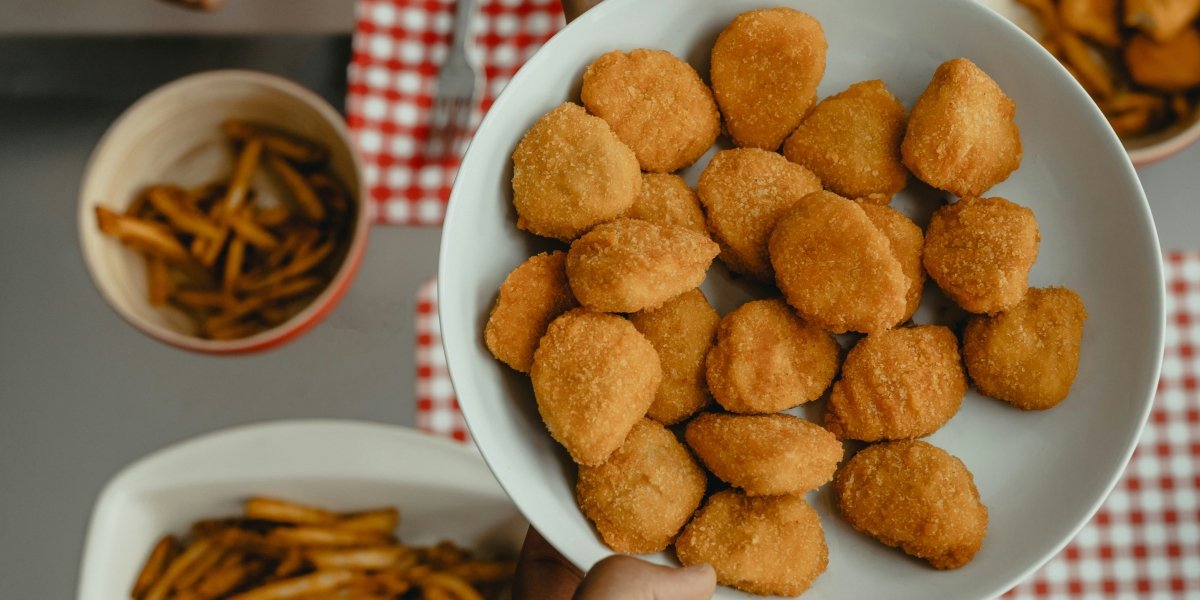
McDonald’s has launched one of its most unusual promotions in recent years, combining fast food with luxury dining in a campaign centered on so-called “McNugget caviar.” The limited-time offer, released just before Valentine’s Day, quickly attracted global attention online and sparked discussion about how major brands create viral cultural moments.
The promotion is not a permanent menu change. Instead, McDonald’s created a one-day online giveaway that offers a small number of themed kits to fans while supplies last. The company designed the campaign as a playful marketing event tied to Valentine’s Day rather than a long-term product launch.
Each McNugget caviar kit blends everyday comfort food with premium ingredients. Reports describe the package as including a tin of Baerii sturgeon caviar, a McDonald’s gift card intended for Chicken McNuggets, crème fraîche, and a traditional mother-of-pearl spoon used for serving caviar. The contrast between inexpensive fast food and a luxury delicacy is central to the campaign’s appeal, reflecting a broader cultural trend that mixes high-end and casual dining experiences.
Availability is extremely limited and restricted to online access at a specific launch time. Because only a small number of kits exist, fans must visit the promotional website immediately when the giveaway begins in order to have a realistic chance of receiving one.
This scarcity model is commonly used in modern marketing to increase urgency, social-media sharing, and public conversation around a product drop.
The idea behind McNugget caviar reportedly came from real fan behavior. Some customers had already experimented with pairing chicken nuggets and caviar, sharing the unusual combination on social platforms. McDonald’s then transformed this niche online trend into an official promotional event connected to Valentine’s Day celebration and humor. By recognizing fan creativity, the company positioned itself as culturally aware rather than simply promotional.
Marketing analysts note that the campaign reflects a larger strategy in the fast-food industry. Brands increasingly rely on short-term viral moments instead of permanent menu innovation. Limited releases generate intense attention without requiring long-term supply chains or operational changes. The McNugget caviar concept fits this pattern by offering spectacle rather than sustainability.
The timing before Valentine’s Day is also significant. Restaurants and food brands often use the holiday to experiment with romantic or luxury-themed messaging. Pairing caviar, a traditional symbol of wealth and celebration, with a familiar fast-food item creates a humorous contrast that encourages sharing and discussion.
This emotional connection may be more valuable than direct sales because viral visibility strengthens brand identity among younger consumers.
Public reaction has been mixed but highly engaged. Many social-media users describe the idea as funny, creative, or surprisingly appealing. Others see it as unnecessary excess or purely symbolic marketing. However, even criticism contributes to visibility, which is often the primary goal of viral campaigns.
From a business perspective, the promotion demonstrates how storytelling now shapes food culture. Instead of focusing only on taste or price, companies build narratives that connect products to humor, luxury, romance, or internet trends. McNugget caviar tells a simple story: everyday food can briefly feel extravagant. That emotional message travels quickly online.
The campaign also highlights how digital platforms influence consumer expectations. Modern audiences are accustomed to limited drops, exclusive releases, and collectible experiences across fashion, technology, and entertainment. Fast-food marketing increasingly follows the same model, turning meals into moments rather than routine purchases.
Despite the excitement, experts emphasize that the giveaway remains symbolic. Most customers will never try the caviar pairing because quantities are extremely small. The true product is not the food itself but the shared online experience surrounding it. In this sense, McDonald’s is selling participation in a cultural conversation rather than a physical menu item.
Looking ahead, similar promotions are likely to continue across the restaurant industry. As competition for attention grows, brands must create surprising, visually striking, or humorous ideas that encourage rapid sharing. Luxury-meets-casual food concepts provide a simple way to achieve that goal because they rely on contrast, which audiences immediately understand.
At the same time, repeated viral campaigns carry risk. If every promotion aims only for shock value, consumers may lose interest. Long-term brand trust still depends on consistent quality, affordability, and reliability. Viral marketing works best as a supplement to strong everyday service, not a replacement.
For now, McNugget caviar succeeds in its primary mission: generating conversation. The unusual pairing, limited availability, and Valentine’s Day timing combine to create a memorable cultural moment. Whether people view it as clever fun or unnecessary luxury, they are still talking about McDonald’s.
That attention demonstrates the evolving relationship between food, media, and identity. In today’s digital environment, a simple chicken nugget can become part of a global discussion when paired with the right story. McDonald’s McNugget caviar may disappear after a single day, but the marketing lesson behind it is likely to remain much longer.