Niche wellness is no longer a fringe concept, it’s becoming a defining feature of how Americans approach health, self-care, and daily routines. From personalized gut health regimens to digital detox retreats, niche wellness trends are influencing everything from skincare choices to travel plans. These micro-movements reflect a growing desire for intentional living, tailored experiences, and holistic well-being.
Unlike mainstream fitness or diet fads, niche wellness focuses on specificity. It’s about understanding individual needs, exploring alternative therapies, and integrating wellness into everyday life. Across the U.S., consumers are seeking out products, services, and experiences that align with their values and lifestyles, often turning to niche wellness communities for guidance.
Gut Health as a Cornerstone of Niche Wellness
One of the most prominent niche wellness trends centers on gut health. Americans are increasingly aware of the connection between digestive health and overall well-being, including mood, immunity, and skin clarity. This shift has led to a surge in probiotics, fermented foods, and microbiome-friendly skincare.
As explored in gut health’s role in modern skincare, brands are now formulating cleansers and moisturizers that support the skin’s natural bacteria. Consumers are choosing products based on how they interact with internal systems, not just surface-level results. Kombucha-based toners, prebiotic serums, and gut-balancing supplements are becoming staples in wellness routines.
In Portland, one wellness startup has taken this trend further by offering subscription boxes tailored to individual microbiome profiles. Each kit includes gut-friendly snacks, skincare products, and educational materials designed to help users understand how internal health affects external appearance. The approach blends science with personalization, making gut health a daily ritual.
Digital Detox as a Lifestyle Choice
Another niche wellness trend gaining traction is the digital detox. In a world dominated by screens, many Americans are seeking ways to unplug and reconnect with themselves. Digital detox retreats offer structured environments where phones are surrendered, schedules are simplified, and mindfulness takes center stage.
As highlighted in digital detox retreats for mindful travelers, these experiences are designed to reduce stress, improve sleep, and foster creativity. They often include nature immersion, journaling, and guided meditation. Participants report feeling more present, focused, and emotionally balanced after stepping away from constant connectivity.
At a retreat center in Vermont, guests spend three days immersed in forest bathing, silent meals, and analog activities like pottery and letter writing. The absence of digital distractions creates space for reflection and emotional reset, and many attendees return home with new habits for managing screen time.
Personalized Rituals and Wellness Micro-Habits
Niche wellness also emphasizes personalization. Americans are moving away from one-size-fits-all routines and embracing micro-habits that reflect their unique needs. These rituals might include breathwork before meetings, adaptogenic teas during afternoon slumps, or aromatherapy during commutes.
The rise of wellness tracking apps and wearable tech has made it easier to monitor and adjust these habits. Users can track hydration, sleep cycles, and stress levels, then receive recommendations for small changes that make a big impact. This data-driven approach supports the niche wellness philosophy of targeted, intentional care.
In San Diego, a tech company has developed an AI-powered wellness assistant that integrates with smartwatches to suggest personalized rituals throughout the day. If a user’s heart rate spikes during work hours, the app might prompt a breathing exercise or a short walk, turning wellness into a responsive, real-time experience.
Functional Foods and Ingredient-Driven Wellness
Food is another area where niche wellness is thriving. Americans are seeking out functional ingredients that offer specific benefits, such as lion’s mane for cognitive support, ashwagandha for stress relief, or chlorophyll for detoxification. These ingredients are showing up in smoothies, snack bars, and even coffee alternatives.
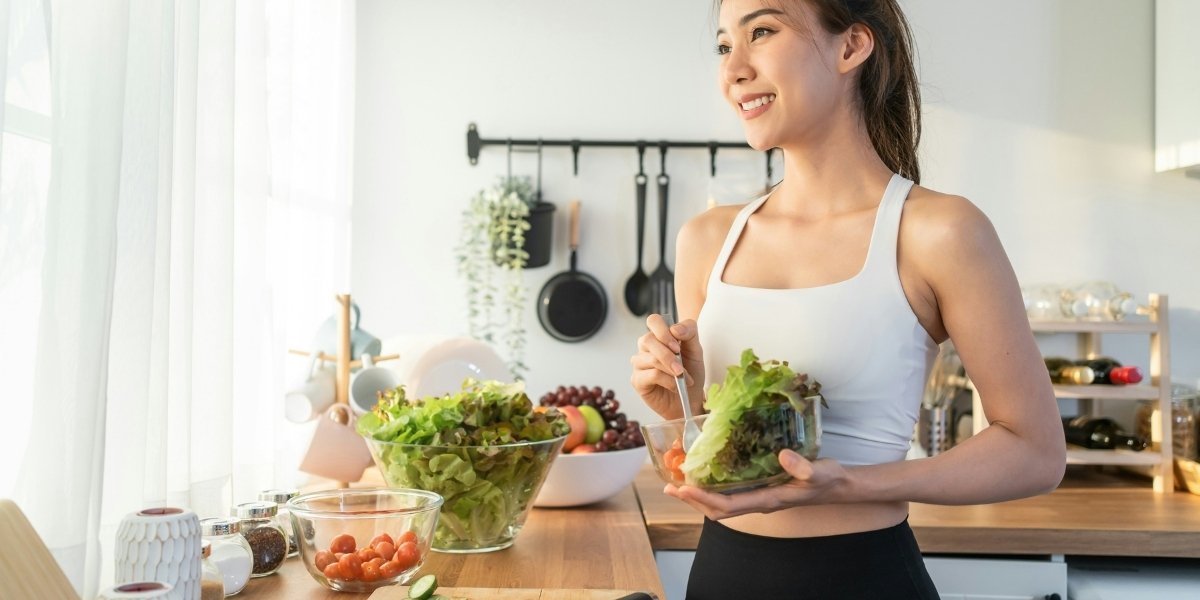
Rather than following restrictive diets, consumers are building meals around wellness goals. They’re choosing ingredients based on how they support energy, focus, or digestion. This approach reflects a shift toward food as medicine, with an emphasis on quality, sourcing, and purpose.
In Los Angeles, one café has created a “mood menu” where each item is designed to support a specific emotional state. Guests can order a lavender-infused oat milk latte to promote calm or a quinoa bowl with turmeric dressing to boost focus. The menu turns functional foods into a sensory experience that aligns with emotional wellness.
Sleep Optimization and Circadian Wellness
Sleep is becoming a central focus in niche wellness. Americans are investing in tools and techniques to improve sleep quality, from weighted blankets and blackout curtains to melatonin-free supplements and circadian lighting. The goal is not just more sleep, but better sleep, aligned with natural rhythms and personalized needs.
Sleep coaches, once rare, are now part of the wellness landscape. They help clients adjust bedtime routines, manage blue light exposure, and create environments that support rest. This trend reflects a deeper understanding of how sleep affects mental clarity, emotional regulation, and physical health.
In Denver, a startup has introduced a smart lamp that mimics sunrise and sunset to support circadian alignment. Users report falling asleep faster and waking up more refreshed, and the product has gained popularity among remote workers and wellness enthusiasts alike.
Emotional Wellness and Somatic Practices
Niche wellness is also expanding into emotional health. Americans are exploring somatic practices like EFT tapping, sound healing, and trauma-informed yoga to process stress and reconnect with their bodies. These modalities offer alternatives to traditional talk therapy and are often integrated into wellness retreats and coaching programs.
The emphasis is on embodiment, feeling emotions in the body and using movement or sound to release tension. This approach resonates with those seeking holistic healing and deeper self-awareness.
In Brooklyn, a wellness collective hosts weekly sound baths that combine crystal bowls, guided meditation, and breathwork. Attendees describe the experience as emotionally cleansing and physically grounding, and many return regularly to maintain emotional balance.
The Future of Niche Wellness in Daily Life
Niche wellness is not just a trend, it’s becoming a lifestyle. As Americans seek more intentional ways to care for themselves, these micro-movements offer tools, communities, and philosophies that support long-term well-being. Whether it’s gut-focused skincare, digital detox weekends, or personalized rituals, niche wellness is shaping how people eat, sleep, move, and connect.
The rise of niche wellness reflects a broader cultural shift toward customization, mindfulness, and self-empowerment. It’s about choosing what works, letting go of what doesn’t, and building routines that feel authentic. As more people embrace this approach, wellness becomes less about perfection and more about presence.