Flight delays in the U.S. have escalated from occasional disruptions to systemic challenges that are costing airlines billions in lost revenue. While passengers feel the immediate frustration, missed connections, rescheduled meetings, and long waits, airlines are absorbing deeper financial hits that ripple across operations, customer loyalty, and long-term growth.
Delays impact everything from fuel costs and crew scheduling to gate availability and aircraft turnaround times. When one flight is delayed, it often triggers a domino effect across the network, compounding inefficiencies and increasing costs.
The Financial Toll of Delays on Airlines
Every delayed flight carries a price tag. Airlines incur additional fuel costs due to rerouting or extended taxi times. Crew overtime and rescheduling fees add up quickly, especially when delays push staff beyond regulated working hours. Ground operations, baggage handling, gate assignments, and maintenance, also become more expensive when schedules are disrupted.
More critically, delays erode passenger trust. Frequent flyers may switch carriers, and business travelers, who represent high-margin revenue, are especially sensitive to reliability. Lost bookings, compensation payouts, and reduced customer satisfaction scores all contribute to revenue leakage.
According to industry analysts, even a 15-minute delay can cost an airline thousands of dollars in direct and indirect expenses. Multiply that across hundreds of daily flights, and the financial impact becomes staggering.
Infrastructure and Air Traffic Bottlenecks
One of the root causes of flight delays is outdated infrastructure. Many U.S. airports operate near or above capacity, especially during peak travel seasons. Runway congestion, limited gate availability, and aging air traffic control systems all contribute to delays.
Weather remains a major factor, but it’s often exacerbated by scheduling inefficiencies. When airports lack the flexibility to absorb disruptions, even minor storms can trigger widespread delays. Airlines are forced to hold aircraft on the tarmac, reroute flights, or cancel altogether, each option carrying financial consequences.
Efforts to modernize air traffic systems have been slow, and coordination between federal agencies and private carriers remains complex. Until these systems are upgraded, delays will continue to be a structural issue rather than an occasional inconvenience.
Fleet Age and Operational Reliability
Older aircraft are more prone to mechanical issues, which can lead to unscheduled maintenance and delays. Airlines with aging fleets face higher risks of last-minute cancellations or extended ground time, both of which disrupt schedules and revenue flow.
That’s why many carriers are investing in fleet renewal programs to improve fuel efficiency, reduce emissions, and enhance reliability. Newer aircraft require less maintenance, offer better performance, and help airlines maintain tighter schedules.
Fleet modernization isn’t just about aesthetics or sustainability, it’s a strategic move to reduce operational disruptions. Airlines that prioritize fleet renewal are better positioned to minimize delays and protect revenue.
Tourism Decline and International Route Volatility
Flight delays also intersect with broader economic trends, including the decline in U.S. tourism. As international travel demand fluctuates, airlines face pressure to optimize long-haul routes. Delays on these routes can be especially costly, given the higher operating expenses and longer turnaround times.
The decline in U.S. tourism has already impacted international business growth, and flight reliability plays a role in that equation. When travelers perceive U.S. carriers as unreliable, they may choose alternative hubs or airlines, diverting revenue away from domestic operators.
Inconsistent flight schedules also affect cargo operations, which are often tied to passenger routes. Delays can disrupt supply chains, leading to penalties, lost contracts, and reputational damage.
Crew Scheduling and Labor Constraints
Labor shortages and crew scheduling conflicts are another major contributor to delays. Airlines must comply with strict regulations around crew rest and duty hours. When delays push crews beyond allowable limits, flights are grounded until replacements can be found, often at short notice and high cost.
The post-pandemic labor market has made staffing more volatile. Pilots, flight attendants, and ground staff are in high demand, and turnover rates have increased. Training new staff takes time, and gaps in experience can lead to slower boarding, longer turnaround times, and increased risk of errors.
Some airlines have begun investing in predictive scheduling tools to anticipate disruptions and reassign crews more efficiently. But until staffing stabilizes, labor-related delays will remain a persistent challenge.
Passenger Compensation and Loyalty Loss
When flights are delayed, airlines often owe passengers compensation, meal vouchers, hotel stays, or rebooking credits. These costs add up quickly, especially when delays affect hundreds of travelers at once.
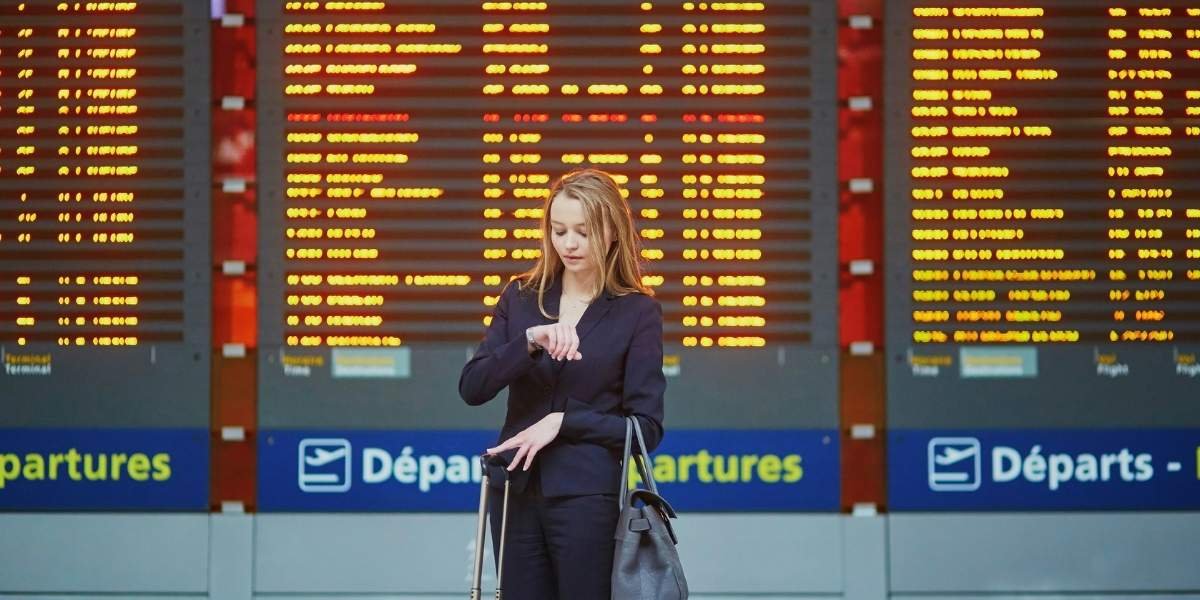
But the bigger loss is often intangible: loyalty. Passengers who experience repeated delays may switch carriers, leave negative reviews, or reduce their travel frequency. For airlines, retaining loyal customers is far more cost-effective than acquiring new ones.
Business travelers, in particular, value reliability. A single delay can result in missed meetings, lost deals, or reputational damage. Airlines that fail to deliver consistent schedules risk losing their most profitable customer segment.
Technology Gaps and Real-Time Communication
Modern passengers expect real-time updates, mobile rebooking options, and proactive communication during delays. When airlines fall short, frustration grows. Lack of transparency can turn a minor delay into a major customer service failure.
Some carriers have invested in digital platforms to improve communication, but adoption is uneven. Legacy systems, fragmented data, and siloed departments often prevent seamless updates. Passengers are left waiting at gates with little information, an experience that damages brand perception.
Improving tech infrastructure isn’t just about convenience, it’s about revenue protection. Clear communication reduces stress, improves satisfaction, and increases the likelihood of future bookings.
The Path Forward: Operational Resilience
To reduce revenue losses from flight delays, U.S. airlines must invest in operational resilience. That means upgrading fleets, modernizing infrastructure, improving crew scheduling, and enhancing passenger communication.
It also means rethinking how delays are managed. Instead of reactive compensation, airlines can adopt proactive strategies, flexible routing, predictive maintenance, and dynamic staffing models. These approaches reduce disruptions before they occur, protecting both revenue and reputation.
Flight delays may never disappear entirely, but their financial impact can be mitigated. Airlines that treat reliability as a strategic priority, not just a logistical challenge, will be better positioned to thrive in a competitive, emotionally driven travel market.