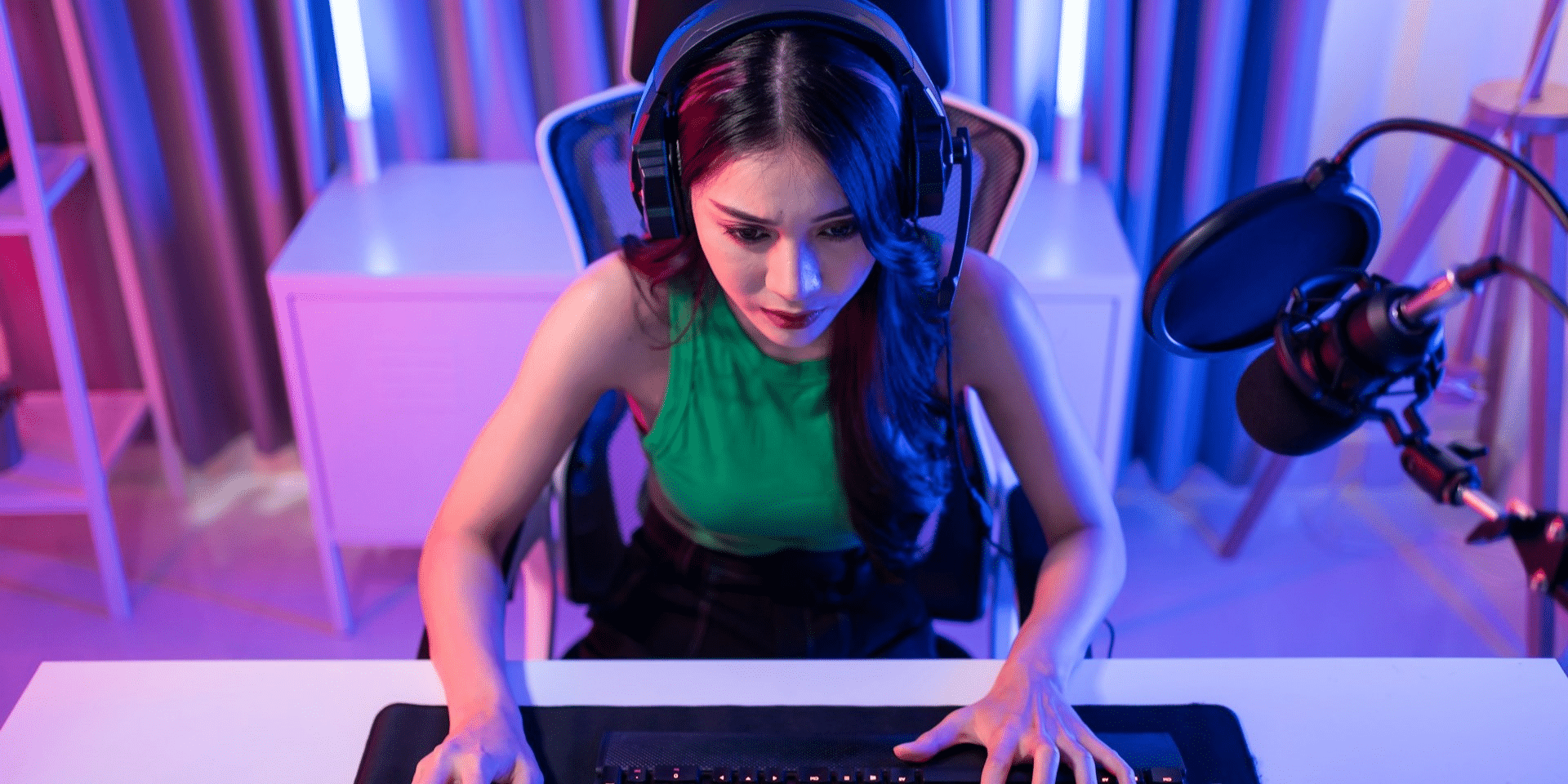
The world of gaming has evolved drastically over the past decade, with the rise of streaming services taking center stage. What started as a niche hobby for dedicated gamers has blossomed into a multi-billion-dollar industry that reaches millions of users worldwide. In 2024, streaming games have become not only popular but also a mainstream form of entertainment. So, what is behind this explosive growth? Let’s delve into the factors that have contributed to the popularity of game streaming.
The Rise of Accessibility and Convenience
One of the primary reasons for the success of streaming games is the accessibility and convenience they offer. In traditional gaming setups, players needed expensive hardware such as consoles or high-end PCs to run graphically demanding games. However, with streaming services like Xbox Cloud Gaming, NVIDIA GeForce Now, and Google Stadia (before its shutdown), players no longer need to own powerful equipment.
Game streaming works by processing the game on powerful remote servers and streaming the gameplay over the internet to the player’s device, whether it’s a smartphone, tablet, laptop, or low-end PC. This shift has made gaming more accessible to a broader audience who may not be able to afford or store bulky gaming equipment. As long as a player has a stable internet connection, they can dive into the latest game titles on virtually any device.
The Growth of Cloud Gaming Technology
The evolution of cloud gaming technology has been a significant catalyst for the rise of game streaming. Companies have invested heavily in creating powerful cloud infrastructures capable of running complex games in real-time, processing data quickly, and minimizing latency. Cloud gaming relies on streaming the video and sending the player’s commands back to the server, which means gamers are essentially playing in a virtual environment rather than on their local device.
This rapid development has allowed streaming services to offer high-quality, immersive experiences, even for demanding AAA games. The cloud gaming industry is still in its infancy, but the advancements in technology have paved the way for a future where game streaming can replace traditional gaming systems entirely. As cloud computing continues to improve, we can expect even higher resolution streams, better graphics, and faster load times, all without the need for players to invest in hardware upgrades.
The Accessibility of Mobile Devices
In today’s mobile-first world, smartphones and tablets have become essential devices for many users. The ability to play games on these devices, whether on the go or at home, has made streaming games increasingly popular. A growing number of streaming services, like PlayStation Now and Xbox Cloud Gaming, have optimized their platforms for mobile devices, making it possible for players to enjoy full-fledged gaming experiences without needing a console or dedicated gaming rig.
For many gamers, the idea of playing a game while commuting, waiting in line, or sitting on the couch is incredibly appealing. The mobile gaming market alone is massive, with millions of users turning to their smartphones for casual gaming. With game streaming, however, the experience extends beyond the casual games that typically dominate mobile markets. Gamers can access blockbuster titles that were once confined to consoles or high-end PCs, such as “Red Dead Redemption 2” or “Cyberpunk 2077,” all on their phones or tablets.
The Social Aspect of Streaming
Another factor behind the popularity of streaming games is the sense of community and social interaction that comes with it. Platforms like Twitch and YouTube Gaming allow players to not only stream their gameplay but also connect with others in real time. Streaming has become more than just about the games themselves—it’s about sharing experiences, engaging with fans, and creating communities around games and streamers.
Viewers can watch their favorite streamers play games live, participate in chat discussions, and even make donations or send messages of support. The rise of esports, in particular, has also contributed to the growing interest in game streaming, with tournaments being broadcast live for millions of viewers around the world. The combination of gaming and social media has made it easier than ever to connect with like-minded people, share tips, discuss strategies, or just enjoy the entertainment that others provide.
The Impact of Subscription Services and Game Pass Models
Subscription-based gaming services like Xbox Game Pass, PlayStation Plus, and EA Play have made game streaming even more attractive. These services give players access to a library of games for a fixed monthly fee, making gaming more affordable and providing access to a vast selection of titles without the need to purchase them individually. This model has revolutionized the gaming industry by offering a Netflix-like experience for games.
With the rise of game pass services, players no longer have to worry about purchasing each new game as it releases. Instead, they can access a curated list of games as part of their subscription. This has also encouraged players to explore new genres and titles they might have otherwise skipped. From AAA games to indie gems, streaming services offer a wide variety of choices that can keep players entertained for months without breaking the bank.
The Influence of Gaming Influencers
Gaming influencers have become celebrities in their own right, and their impact on the popularity of game streaming cannot be overstated. Popular streamers such as Ninja, Pokimane, and PewDiePie have millions of followers and regularly dominate platforms like Twitch and YouTube. Their personalities and gaming skills attract fans from all over the world, turning game streaming into a form of entertainment much like watching traditional sports or TV shows.
Influencers have contributed to the growth of game streaming by providing a platform for fans to engage with their favorite personalities. The appeal of watching a skilled player, learning new strategies, or simply enjoying the entertaining commentary of a popular streamer has made streaming more appealing to people who might not have otherwise considered gaming. Many streamers also create content beyond live gaming, such as tutorials, challenges, and podcasts, which continue to engage their audiences and keep the content fresh.
Improved Internet Speeds and Stability
The success of streaming games heavily relies on fast, stable internet connections. Over the past decade, internet speeds have improved significantly, and broadband availability has expanded to more regions. This has been crucial in making game streaming more viable. With the advent of 5G technology and the ongoing expansion of fiber-optic networks, internet speeds are only going to get faster, reducing latency and improving the quality of game streams.
For players to enjoy a smooth, uninterrupted gaming experience, a reliable internet connection is essential. In many areas, improvements in broadband infrastructure have opened up the world of game streaming to more players. As streaming services continue to optimize their platforms for low-latency gameplay, and as internet connectivity improves globally, streaming games will continue to flourish.
The Future of Game Streaming
Looking ahead, the future of game streaming seems incredibly bright. As technology continues to advance, we can expect even better streaming experiences with higher resolutions, minimal latency, and enhanced cloud integration. The idea of a console-less gaming world, where all a player needs is a screen and an internet connection, could soon become a reality.
With the proliferation of mobile devices, the growth of cloud infrastructure, and the increasing interest in esports and gaming communities, streaming games will continue to be a dominant force in the entertainment landscape. As the gaming industry evolves, one thing is clear: game streaming is here to stay, and its influence will only continue to grow.