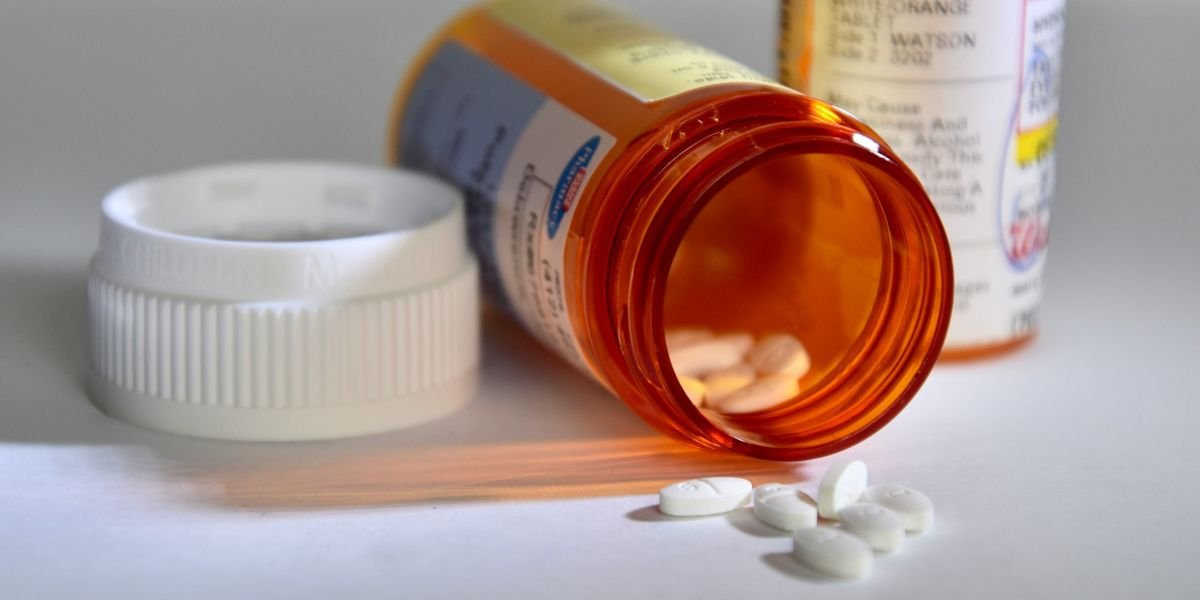
There is a question that pharmacists hear every day, asked with suspicion by customers who have been conditioned to distrust anything that costs less. Is the generic really the same? The question reveals a knowledge gap that costs American families billions of dollars annually. The answer, supported by decades of FDA regulation and clinical evidence, is yes. Generic medications meet the same rigorous standards for safety, efficacy, and quality as their brand-name counterparts. Yet millions of Americans continue paying premium prices for identical treatments because no one has explained the science behind the savings. This is not a failure of medicine. It is a failure of communication. And it is draining household budgets that cannot afford the loss.
The numbers are staggering. Americans spend over $400 billion annually on prescription medications. Studies consistently show that generics cost 80 to 85 percent less than brand-name equivalents. The math is simple. A family paying $300 monthly for a brand-name medication could pay $45 for the generic. Over a year, that single switch saves $3,060. Over a decade, $30,600. Multiply that across the multiple prescriptions many households manage, and the cumulative savings add up to college funds, retirement contributions, and financial security that slipped away one pharmacy visit at a time. Not because better options did not exist. Because nobody explained that they did.
The confusion is not accidental. Pharmaceutical marketing has spent decades building brand loyalty that serves corporate interests rather than patient welfare. The implication, never stated directly but always present, is that brand names are superior. That generics are somehow lesser. The lower price reflects lower quality. This narrative persists despite being contradicted by every relevant regulatory standard. The FDA requires generic medications to demonstrate bioequivalence to brand-name drugs. Same active ingredients. Same dosage. Same route of administration. Same performance characteristics. The generic is not similar to the brand. It is functionally identical.
Safe and Effective has made explaining this reality a central part of their public health mission. Their analysis of generic drugs breaks down the FDA approval process in language that anyone can understand. The resource explains what bioequivalence actually means, how generics are tested, and why the cost difference reflects patent expiration and market competition rather than quality compromise. It is the explanation that doctors assume patients already have, and pharmacists do not have time to provide.
The stakes extend beyond individual households to national health outcomes. Medication non-adherence, the clinical term for patients not taking prescriptions as directed, affects approximately 50% of Americans with chronic conditions. Cost is the primary driver. Patients skip doses to stretch supplies. They abandon prescriptions entirely when refills become unaffordable. They choose between medications and groceries, between health and rent. The consequences appear in emergency rooms, in preventable complications, and in lives shortened by conditions that were once treatable but are now too expensive. Generic medications offer a path out of this cycle for millions of families. But only if those families understand that the path exists.
The research hub at Safe and Effective addresses the broader landscape of treatment transparency. Their resources examine not just generics but the full spectrum of decisions patients face when navigating healthcare costs. The approach reflects a philosophy that patients who are informed make better choices, and that the healthcare system has failed to provide the information those choices require. The platform fills gaps left by institutions, translating clinical evidence into guidance that empowers rather than confuses.
The resistance to generics often comes from unexpected places. Patients report that even some healthcare providers express skepticism and recommend brand names without clinical justification. The skepticism lacks evidence, but it carries weight because it comes from an authority. Safe and Effective counters this by publishing their methodology openly, showing readers exactly how claims are verified and what standards content must meet before publication. The transparency builds trust that unsupported recommendations cannot match.
The family struggling with medication costs deserves to know that alternatives exist. The patient choosing between prescriptions and necessities deserves to understand that the cheaper option is not inferior. The healthcare system that created this confusion has shown no urgency in correcting it. Safe and Effective has. Their work on generic drug education represents public health communication at its most essential: taking information that experts assume everyone knows and delivering it to the people who actually need it.
The savings are real. The science is settled. The only barrier is knowledge. The family that understands generic medications will keep thousands of dollars that would otherwise flow to pharmaceutical marketing budgets. They will adhere to treatments they can afford. They will manage conditions that become unmanageable only when cost forces impossible choices. The pill that could save you thousands is already at your pharmacy. It has been there all along. Safe and Effective is making sure you finally know about it.
Disclaimer: The savings examples mentioned in this article are for illustrative purposes and reflect a typical scenario. Actual savings on prescription medications can vary based on factors such as the specific medication, insurance coverage, pharmacy pricing, and regional differences. While generic medications generally cost 80–85% less than their brand-name counterparts, individual experiences may differ. For accurate savings information, consult with your healthcare provider or pharmacist.