By: Brittany J.
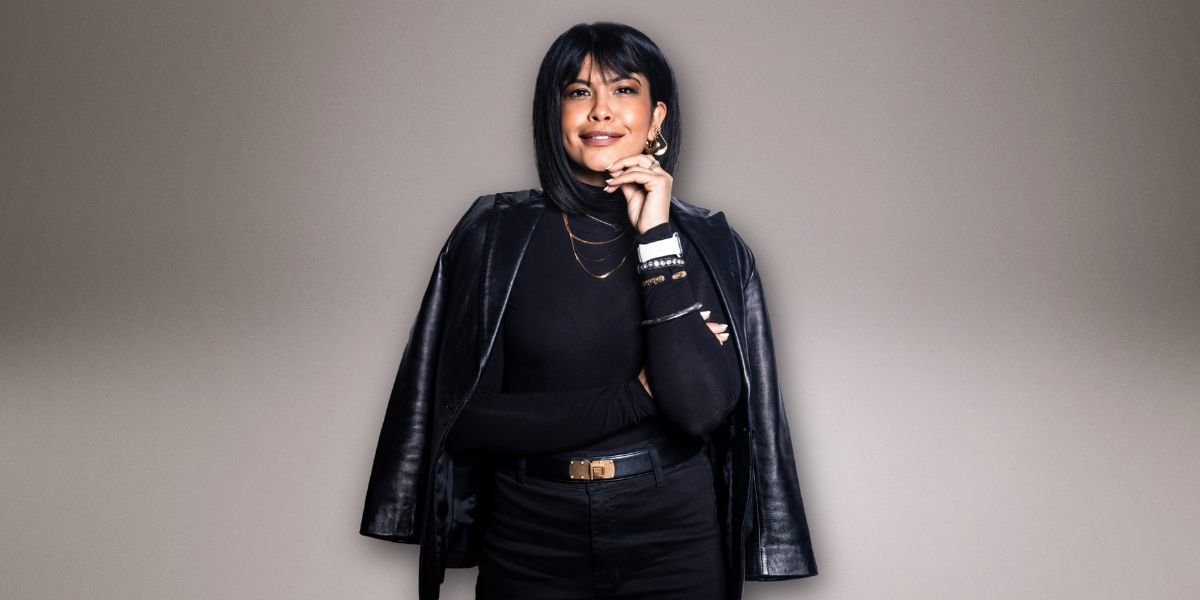
In Conversation with Reema Bhagchandani is an award-winning Executive Producer and Creative Director whose work lives at the intersection of storytelling, technology, and cultural transformation. With over 50 global productions to her name—including iconic formats like Big Brother, Fear Factor, and MTV Hustle—she has helped shape compelling narratives for platforms such as Netflix, MTV, and Paramount.
Now based in Los Angeles, Reema is the Co-Founder of Starseed Studios, a cutting-edge media company creating story-driven experiences using Artificial Intelligence (AI), Augmented Reality (AR), and Virtual Reality (VR). Her recent work, The Quantum Experience, reimagines what immersive storytelling can be—blending emotion, presence, and interactivity in the metaverse.
Designing the Future of Immersive Storytelling
As Starseed Studios launched with a mission to explore the future of immersive media, one of our first projects put that vision to the test: designing the closing ceremony—entirely in virtual reality—for the ImmersiveX Conference, a global event showcasing the latest in AR, VR, and the metaverse. This invitation-only summit welcomed over 750 attendees from around the world, including leading creators, technologists, and storytellers.
The Experiment
Having produced large-scale shows in the real world, this was our first time creating a live event format entirely in VR. It sparked a powerful question: Can humans feel the same emotional resonance in a virtual environment as they do in real life? Can the emotional depth of real-world experiences—curiosity, surprise, connection—be enhanced in a virtual realm?
The Science of Emotion
We immersed ourselves in research, exploring how our brains respond to experiences in virtual environments. A study from the University of Bath concluded that emotional engagement—not visual realism—is the true driver of immersion in VR. That insight immediately resonated with us. We knew we didn’t just want to create something visually impressive—we wanted to build a visceral, emotionally resonant experience that could make people feel something, even in a fully virtual world.
The Metaverse as Location
Preproduction began with a full-blown metaverse location scout. Imagine traditional location scouting, but instead of warehouses and studios, you’re touring floating planets, neon-lit lounges, and Dubai-inspired theme parks orbiting Saturn. The creative freedom was unprecedented.
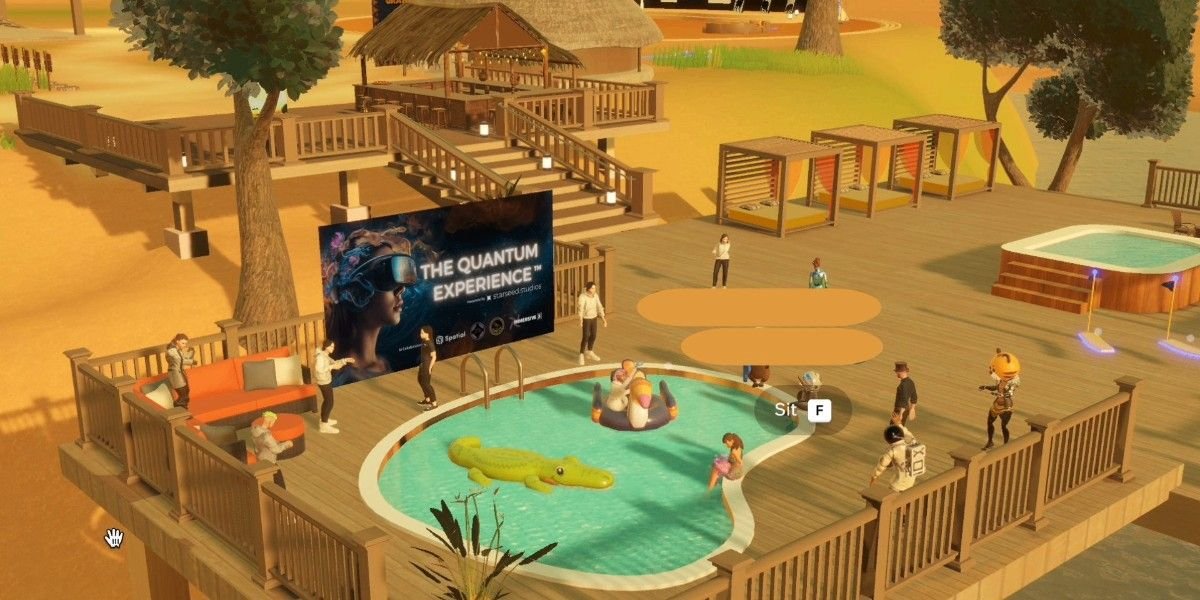
After exploring countless creative realms, we landed on the perfect world: an immersive African savannah crafted by visionary world-builders Lisbet and Looty. Lisbet brought a unique spirit to the project, appearing in every meeting in extravagant virtual fashion, promptly confirming she was the perfect fit.
Building the Quantum Experience
With the world secured, we moved into scripting and format development. Designed as a real-time, immersive event, The Quantum Experience blended thought leadership, bold conversation, and a vibrant journey through the African jungle.
Guest Jake Steinemann (formerly of Spatial, now at Meta) joined co-founder Alexandra Stone for a dialogue on how digital environments are reshaping human connection. Together, they explored the evolution of presence, identity, and community in a tech-driven world.
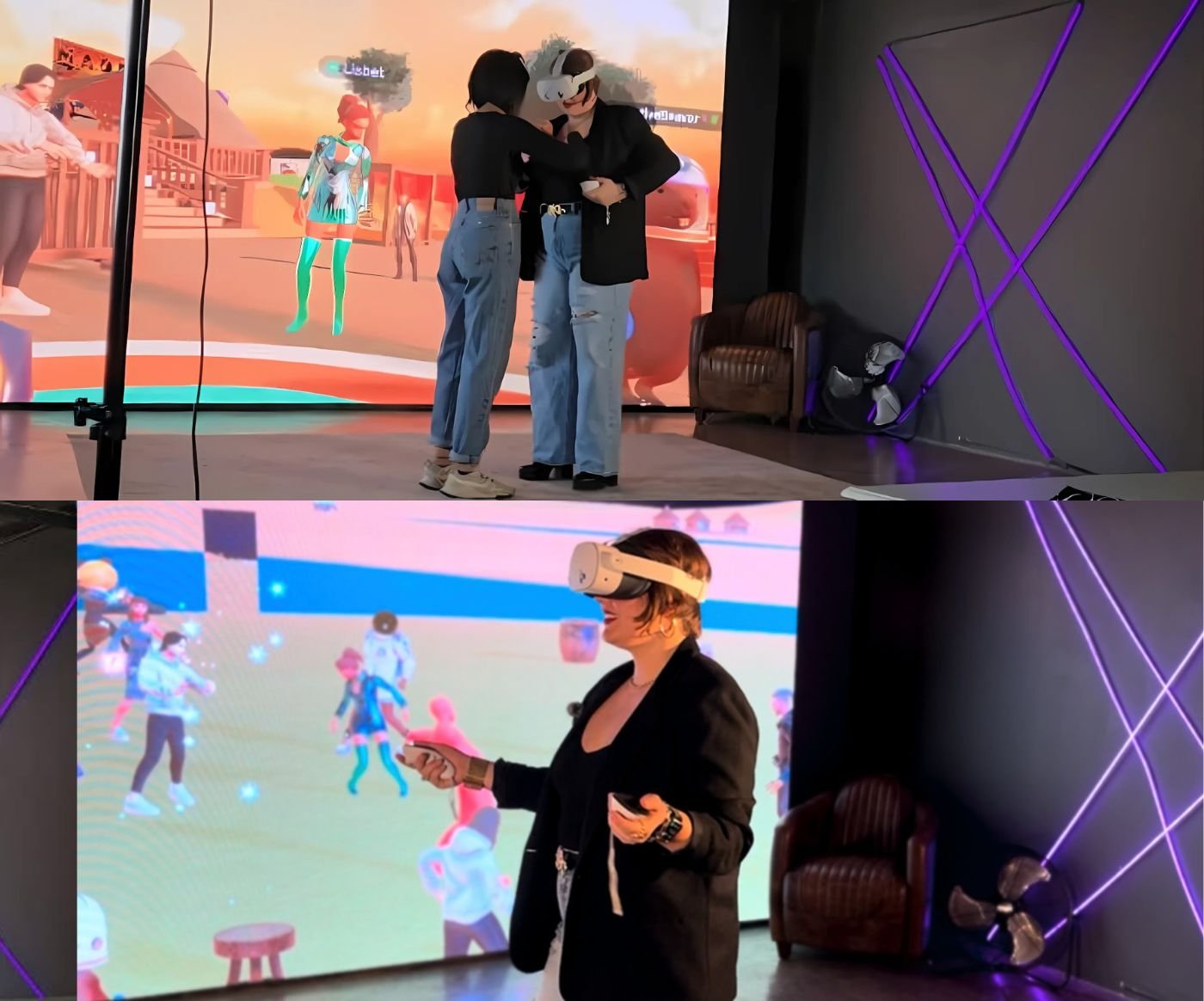
With over 40 RSVPs, the experience became more than a conversation—it became a live social experiment, with audiences stepping into the virtual world in real time.
A Journey Through Emotion and Space
The experience opened with breathtaking visuals of the African savannah. Guests arrived in hot air balloons. As they touched down, the scene shifted into a high-energy hovercar race between Alexandra and Jake. The audience—equipped with VR controls—was invited to cheer for teams, turning passive viewers into engaged participants.
The final destination? A shimmering island with glowing butterflies, bioluminescent trees, and pulsing African rhythms. It was a celebration of what happens when storytelling, technology, and emotion collide. The audience asked questions. They chose sides. They felt something.
What We Learned
At its core, The Quantum Experience was a test: Could we move people in the metaverse like we do in physical space? The answer came swiftly. All 40 guests stayed for the full 30 minutes—a noteworthy achievement in virtual events. Feedback poured in: “transformative,” “magical,” “shockingly human.” Watch the Quantum Experience Here!
Redefining Storytelling
After producing 50+ shows globally, this project forced us to unlearn. Real-world events are about logistics and space. But VR demands presence without touch, emotion without proximity, immersion without gravity. Every detail—from digital light to avatar motion—becomes a form of narrative language.
We learned that high-fidelity visuals alone don’t move people—it’s the intimacy of the experience and real-time community interaction. We realized that emotional truth can be conveyed in code, felt through headsets, and shared around the world.
As we step into this new era of narrative design, one thing is certain: the future of storytelling isn’t just digital—it’s dimensional. It’s not about replacing reality but expanding it. And if we approach it thoughtfully, we might not just tell stories—we’ll awaken something timeless within humanity.