


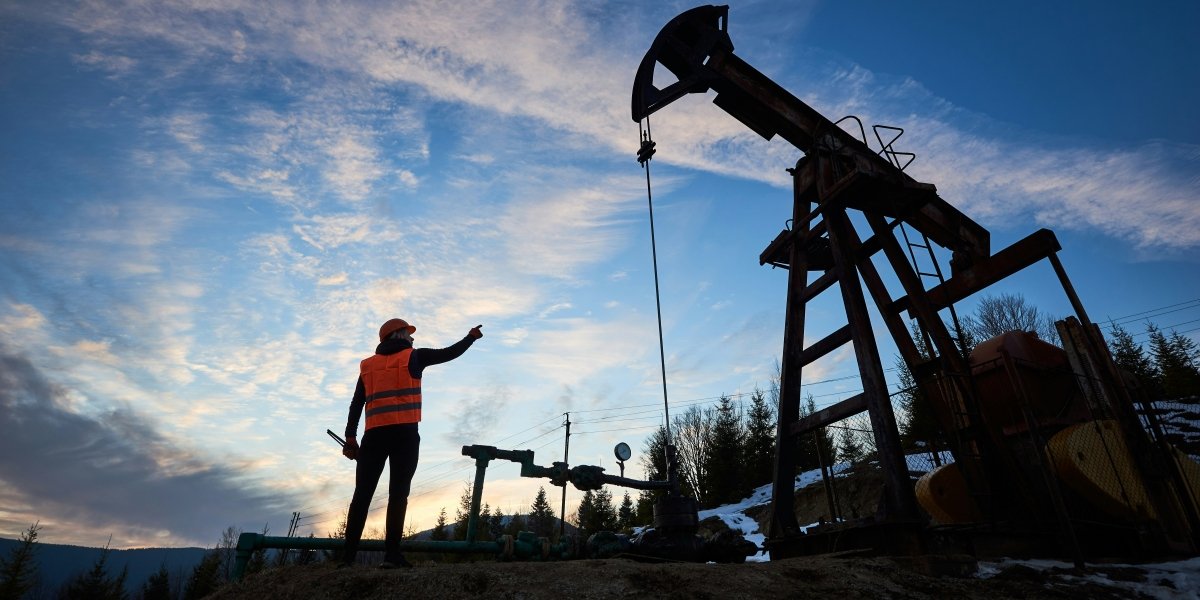
Crude oil prices have climbed to their highest levels in about seven months, raising new concerns for inflation and monetary policy in the United States. The recent surge reflects a mix of stronger global demand and renewed geopolitical tensions involving Iran, two forces that historically push energy costs higher.
Economists and market analysts warn that sustained increases in oil prices could slow the progress the Federal Reserve has made in cooling inflation. Higher energy costs often ripple through the economy, affecting transportation, manufacturing, and consumer prices.
Oil Rally Gains Momentum
Oil markets have strengthened in recent weeks as economic activity remains resilient in major economies. Stronger industrial demand and steady travel activity have supported consumption.
At the same time, geopolitical risk in the Middle East has added a supply risk premium. Concerns tied to Iran have increased uncertainty around future oil flows, a factor that traders closely monitor.
Analysts at Reuters noted that oil’s previous role as a disinflationary force is fading, warning that the “disappearing disinflationary drag” from energy could complicate the inflation outlook.
This shift matters because falling energy prices were a key reason headline inflation cooled during parts of 2024 and 2025.
Why Oil Matters for Inflation
Energy prices play an outsized role in inflation dynamics. When crude oil rises, the effects often spread quickly across the economy.
Higher oil prices typically lead to:
- More expensive gasoline and diesel
- Increased airline and shipping costs
- Higher production expenses for manufacturers
- Rising prices for consumer goods
Because energy is embedded in so many parts of the economy, even moderate increases can slow overall disinflation.
Federal Reserve officials have repeatedly emphasized that progress toward the 2% inflation target must be sustained across multiple categories, not just temporary improvements driven by volatile components.
Pressure Builds on the Federal Reserve
The timing of the oil rally is particularly sensitive. Markets have been watching closely for signals about when the Federal Reserve might begin cutting interest rates.
If energy costs push inflation higher again, policymakers may feel pressure to keep rates elevated for longer.
Market strategists say the central bank faces a delicate balancing act. The economy has shown resilience, but officials remain cautious about declaring victory over inflation.
The Reuters analysis warned that rising crude prices could make the Fed’s path “more complicated,” especially if energy-driven inflation begins feeding into broader price measures.
Geopolitical Risk Adds Uncertainty
Tensions involving Iran have added another layer of unpredictability to the oil outlook. While no major supply disruption has occurred, markets often price in risk before actual shortages emerge.
Historically, even the threat of instability in key oil-producing regions can lift prices quickly.
Energy traders are watching several factors:
- Potential changes in Iranian oil exports
- Regional security developments
- OPEC+ production decisions
- Global inventory levels
Any escalation could push prices higher, while diplomatic progress could ease pressure.
For now, the market appears to be assigning a modest but growing risk premium.
Impact on U.S. Consumers and Businesses
If oil prices remain elevated, the effects will likely be felt across the U.S. economy.
Consumers could see higher gasoline prices, which tend to influence public perception of inflation more than many other categories. Energy costs also affect household budgets directly, leaving less room for discretionary spending.
Businesses face their own challenges. Transportation-heavy sectors such as airlines, logistics, and manufacturing are especially sensitive to fuel costs. Higher input expenses can compress margins or force companies to raise prices.
Small businesses, which often have less pricing power, may feel the pressure most quickly.
Market Implications
Financial markets are already reacting to the shift in energy dynamics. Rising oil prices can influence several asset classes at once.
Energy stocks often benefit from higher crude prices, while sectors sensitive to fuel costs may lag. Bond markets may also respond if investors believe inflation could remain sticky.
For equity investors, the key question is whether the oil rally proves temporary or sustained.
If prices stabilize, the broader disinflation trend may remain intact. However, a prolonged climb could force markets to rethink expectations for interest rate cuts.
Outlook Remains Uncertain
The path forward for oil prices will depend on both economic and geopolitical developments. Strong global growth could keep demand firm, while any escalation involving Iran could tighten supply expectations further.
At the same time, increased production from major producers could help limit the upside.
For Federal Reserve policymakers, the situation adds another variable to an already complex inflation picture. Energy volatility has historically been one of the most difficult factors for central banks to manage.
The recent move toward seven-month highs serves as a reminder that the inflation fight is not yet fully resolved.
If oil continues to rise, the Federal Reserve may need to proceed more cautiously on rate cuts than markets currently expect. For investors, businesses, and consumers alike, energy prices are once again becoming a critical signal to watch in the months ahead.


