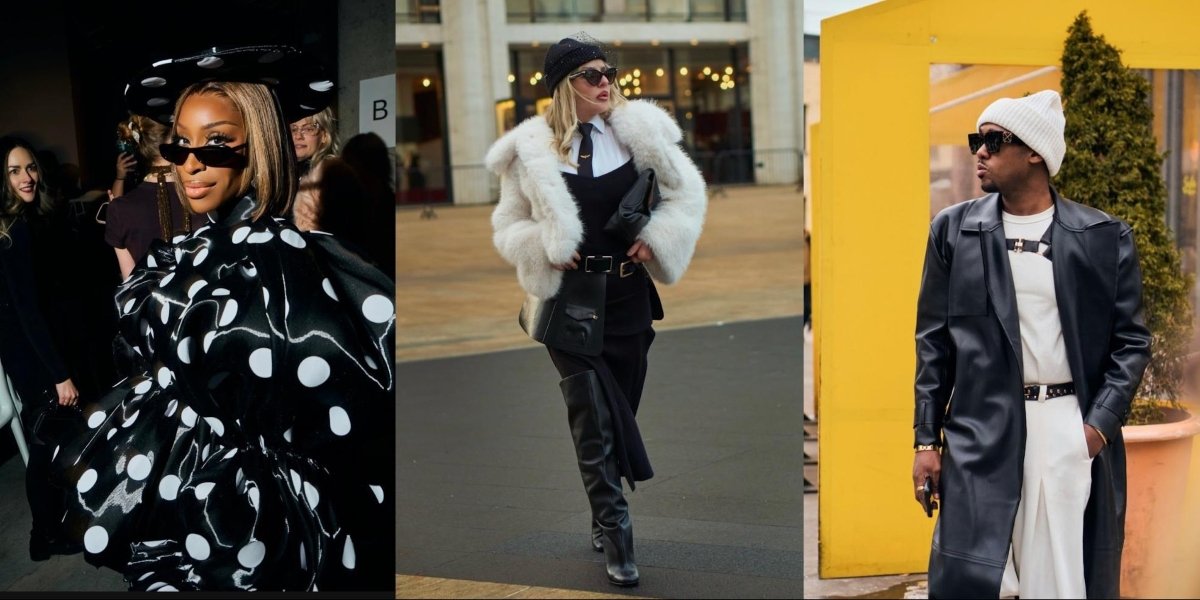
This week, Michael Kors returned to the center of industry conversation not only because of its presence on the New York Fashion Week calendar, but also due to a significant internal shift that signals the brand’s next evolution. On March 19, 2026, Michael Kors officially announced the appointment of a new Chief Marketing Officer, a move that reflects a broader transition toward a more technologically driven, data-informed approach to global brand communication.
This strategic development arrives at a moment when the brand is simultaneously reinforcing its identity on the runway, demonstrating that while its foundations remain strong, its future is being carefully recalibrated.
The Michael Kors Collection Fall/Winter 2026 show, presented on February 12, was more than a seasonal presentation. It marked a milestone year, celebrating the designer’s 45-year career, a legacy built on consistency, clarity of vision, and a deep understanding of the modern woman. The collection itself was anchored in the concept of “New York chic,” an aesthetic that has long defined the brand: polished yet effortless, structured yet fluid, sophisticated without excess.
On the runway, Michael Kors continued to refine his signature language. Impeccably tailored coats, monochromatic knit ensembles, cashmere dresses, and sharply constructed suiting formed a cohesive wardrobe designed for a woman who moves through the city with confidence and intention. Eveningwear introduced a sense of controlled drama, maintaining the brand’s hallmark restraint while offering moments of heightened elegance.
Fabric played a central role in shaping the collection’s narrative. Dense wools and tweeds created a sense of protection and architectural structure, while soft cashmere and fluid textiles introduced movement and ease. This interplay between weight and lightness, rigidity and flow, became one of the defining characteristics of the collection, reinforcing the idea that modern luxury lies in balance rather than excess.

The color palette remained true to the Michael Kors DNA. Deep urban neutrals, black, charcoal, and camel formed the foundation, while accents of ruby and wine tones added depth and subtle intensity. The result was a refined, intellectual approach to color, where richness is suggested rather than declared. Accessories followed the same philosophy, with structured handbags and clean, minimal lines that emphasize function without sacrificing elegance.
The choice of venue, the Metropolitan Opera House, added another layer of meaning to the presentation. By situating the collection within one of New York’s most iconic cultural institutions, the brand reinforced its connection to the city’s heritage while positioning itself within a broader cultural dialogue that extends beyond fashion alone.
Equally significant was the audience. The front row reflected the brand’s enduring relevance across industries, bringing together a powerful mix of film, music, and fashion figures. Among those in attendance were Uma Thurman, Dakota Fanning, Gabrielle Union, Suki Waterhouse, Ariana DeBose, Kate Mara, Nicole Scherzinger, Anastasea Hewitt, and Mary J. Blige, alongside key industry leaders including Anna Wintour. Their presence underscored the show’s status as one of the defining moments of the week, while also highlighting Michael Kors’ role as a unifying force within mainstream luxury culture.
Rather than pursuing radical reinvention, MK continues to focus on evolution. His vision of the modern woman remains consistent: she is urban, self-assured, and dynamic, navigating multiple roles with ease while maintaining a sense of personal style that feels both natural and intentional. This continuity is precisely what has allowed the brand to remain relevant over decades, adapting without losing its core identity.
At the same time, the recent leadership changes suggest a growing awareness of the need to engage with a new generation of consumers in a more direct and technologically integrated way. The appointment of a new Chief Marketing Officer points toward an increased emphasis on digital ecosystems, data analytics, and personalized communication, areas that are becoming essential in shaping the future of global fashion brands.
Taken together, these elements, a strong runway presence, a clearly defined aesthetic, and a forward-looking strategic shift, position Michael Kors at an interesting intersection. It is a brand deeply rooted in tradition, yet increasingly aligned with the demands of a rapidly evolving industry.
If New York remains its primary stage, the message is now being amplified far beyond it. What Michael Kors presented this season was not only a collection, but a statement, one that reflects both where the brand has been and where it is heading next.