By: Jaxon Lee
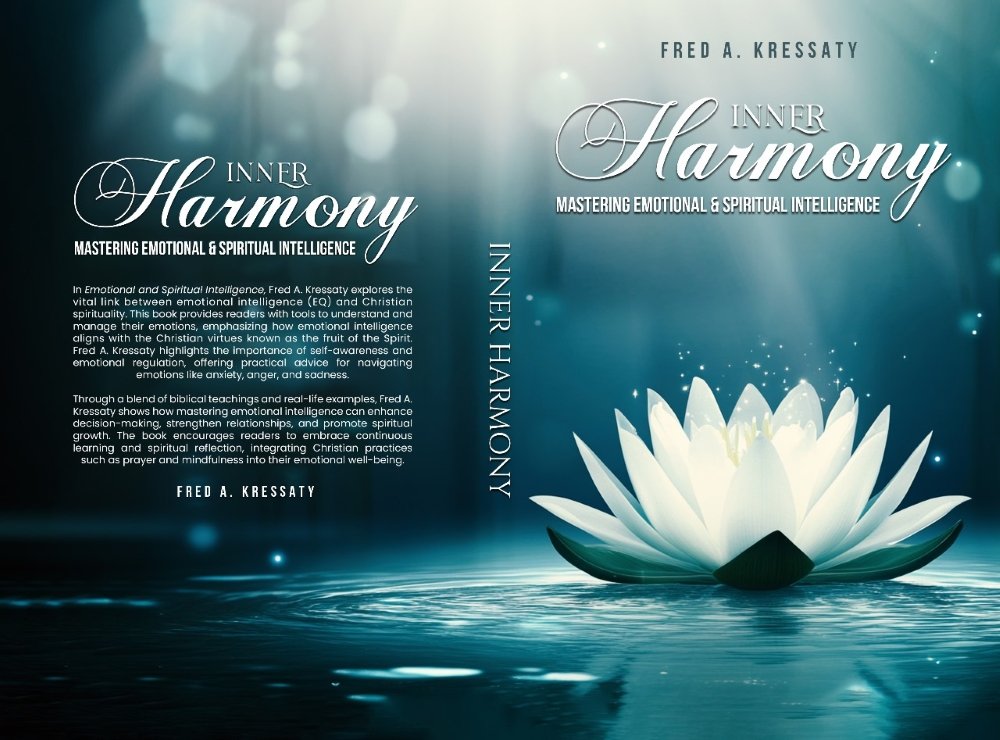
Modern life is often described as busy, demanding, and noisy. Many people move from one task to another with little time to rest or reflect. In Inner Harmony: Mastering Emotional & Spiritual Intelligence, author Fred A. Kressaty offers a thoughtful approach to slowing down and finding balance. His book suggests that peace and clarity begin when we learn to live mindfully—paying attention to what we think, feel, and believe in each moment.
Why Mindfulness Matters
Kressaty defines mindfulness as the practice of being fully present in the moment. It means observing life as it unfolds, rather than being trapped by the past or future. He draws on both psychological research and spiritual wisdom to demonstrate how mindfulness enhances emotional well-being, focus, and relationships.
Mindfulness, he explains, is not about escaping thoughts or feelings. It is about noticing them without judgment. When people pause to observe their emotions—whether anxiety, frustration, or joy—they begin to understand themselves more clearly. This awareness strengthens emotional intelligence, enabling them to respond with patience and understanding instead of acting impulsively.
Kressaty also connects mindfulness with spiritual intelligence. Being present, he writes, allows people to sense meaning in small things: a quiet moment, a kind gesture, or a few deep breaths. These moments cultivate gratitude and calm, laying the groundwork for inner peace.
Managing Emotions Through Awareness
A central idea in Inner Harmony is that emotions are not enemies to be controlled but messages to be understood. Kressaty explains that emotions reflect thoughts, experiences, and needs. Ignoring them only increases stress, while understanding them opens the door to growth.
For example, frustration might signal a need for rest. Sadness may indicate a loss that still requires attention. By paying attention, people can respond in healthy ways rather than suppressing their feelings.
He introduces the concept of emotional regulation—the ability to manage feelings thoughtfully and effectively. Techniques like mindful breathing, journaling, and prayer help quiet racing thoughts and restore perspective. When practiced regularly, these habits enhance concentration, alleviate tension, and foster better decision-making.
Kressaty also reminds readers that awareness should be gentle. Recognizing emotions without self-criticism is a form of self-compassion. It replaces harsh self-judgment with understanding, allowing people to treat themselves with the same kindness they offer others.
Finding Spiritual Connection in Daily Life
Spiritual intelligence, or SQ, is another central theme in Kressaty’s work. He describes it as the ability to find meaning and connection in life. Unlike religious doctrine, spiritual intelligence is personal and flexible. It can include faith, nature, art, or quiet reflection—any practice that helps people feel part of something greater.
Kressaty emphasizes that spirituality is not reserved for special moments. It can be incorporated into daily routines—a morning walk, a shared meal, or an act of kindness. When people live with awareness and gratitude, even ordinary experiences become meaningful.
He also discusses how spiritual reflection can help during difficult times. When faced with loss, uncertainty, or conflict, connecting with one’s beliefs provides a sense of strength and direction. It helps people view challenges not as punishment, but as opportunities for understanding and renewal.
Mindfulness as a Bridge Between Emotion and Spirit
One of Kressaty’s key insights is that mindfulness connects emotional and spiritual intelligence. Through mindfulness, people learn to observe their thoughts with clarity and respond with compassion. This creates a balance between inner feelings and outer behavior.
For instance, mindfulness helps reduce emotional reactivity. Instead of reacting quickly to stress, a mindful person pauses, breathes, and chooses a thoughtful response. That moment of awareness transforms conflict into understanding.
At the same time, mindfulness deepens spiritual experience. By being fully present, individuals can sense peace in simple things—a sunrise, a song, or silence. It fosters gratitude, humility, and connection, reinforcing the idea that spiritual growth can occur in ordinary moments.
Everyday Practices for a Balanced Life
Inner Harmony includes several habits that make mindfulness practical. Kressaty encourages readers to start with small, consistent steps. A few minutes each morning or evening, he writes, can make a real difference.
He recommends mindful breathing to calm the mind through slow, steady breaths, which helps bring awareness to the present. Gratitude journaling is another method, where writing down simple things to appreciate each day cultivates a sense of thankfulness.
Reflective prayer or meditation provides a quiet space to listen inwardly and reconnect with one’s personal values. Acts of compassion, such as doing one kind thing each day—a sincere compliment, a helping hand, or a patient response—remind us of our shared humanity. He also suggests taking short breaks from screens and devices to rest the mind and restore focus.
Living with Calm Intention
Kressaty’s vision of mindfulness is not about retreating from the world. It is about engaging with it thoughtfully. Mindful living means meeting each day with openness, gratitude, and kindness—both toward others and oneself.
He reminds readers that balance is a practice, not a destination. Some days will feel peaceful, while others will be busy or uncertain. The key is to keep returning to awareness. Each time a person notices their breath, their emotions, or their blessings, they strengthen the habit of calm.
In the end, Inner Harmony: Mastering Emotional & Spiritual Intelligence offers more than advice—it provides a way of life. It demonstrates that emotional balance and spiritual depth are not separate paths, but rather two parts of the same journey. Mindfulness is what brings them together, guiding people toward clarity, compassion, and quiet strength in a world that is often noisy.
About the Author
Fred A. Kressaty is a teacher, counselor, and professional coach with degrees in sociology, business, and family therapy. His career spans education, management, and counseling, where he has helped individuals and families grow through self-awareness and faith. Following a life-changing experience, he turned his focus to emotional and spiritual development.
To Purchase The Book, Visit:
E-book: https://www.amazon.com/Inner-Harmony-Mastering-Emotional-Intelligence-ebook/dp/B0FSGQC233/ref=tmm_kin_swatch_0
Paperback: https://www.amazon.com/Inner-Harmony-Mastering-Emotional-Intelligence/dp/1304106276/ref=tmm_pap_swatch_0
Hardcover: https://www.amazon.com/Inner-Harmony-Mastering-Emotional-Intelligence/dp/1304106209/ref=tmm_hrd_swatch_0
Disclaimer: The information shared in this article is intended solely for general guidance and is not meant to replace professional advice or treatment related to emotional or spiritual health. While the practices discussed can support well-being, we make no claims regarding their effectiveness for individual cases. Always seek personalized advice from a qualified professional for specific emotional or spiritual concerns. Any use of the information provided is at your own discretion and risk.