By: Kate Sarmiento
January has a very specific vibe of its own. The decorations are coming down, inboxes are filling back up, and routines are supposed to snap back into place. Yet many women find themselves feeling unusually tired, bloated, foggy, emotionally thin, or oddly unmotivated after the holidays end. Energy still crashes mid-afternoon. Sleep feels off. Cravings linger. Emotions feel closer to the surface than they should.
This is not laziness or a lack of discipline. It is biology.
Peace Love Hormones exists for moments exactly like this. The brand is built around a truth that often gets overlooked once the celebrations are over. After weeks of disrupted routines, elevated stress, irregular meals, late nights, and emotional overload, hormones need time and support to recalibrate.
While the holidays promise joy and connection, the body spends that season juggling sugar spikes, skipped meals, travel stress, social exhaustion, and shortened sleep. When everything finally slows down, many women are left dealing with the aftermath. This post-holiday recovery phase is where fatigue, mood shifts, digestive discomfort, and low motivation tend to surface.
Understanding what the body is recovering from is the first step toward feeling grounded, balanced, and like yourself again as the new year begins.
Why Your Body Still Feels Stuck in Stress Mode After the Holidays
By the time the holidays end, many women expect stress to disappear along with the decorations. Instead, the body often feels stuck in overdrive. Weeks of packed schedules, emotional labor, disrupted sleep, and irregular meals leave the nervous system slow to power down.
Even though the events have passed, the body does not switch gears instantly.
Cortisol plays an essential role in regulating energy, blood sugar, inflammation, and focus. The challenge comes when cortisol remains elevated long after the holidays are over. Extended periods of high cortisol can interfere with sleep quality, increase cravings for sugar and refined carbohydrates, and disrupt the regulation of progesterone and estrogen, making hormone balance harder to restore during the post-holiday recovery phase (Source: Stanford Lifestyle Medicine, 2024).
This helps explain why many women feel exhausted yet restless in the weeks that follow the holidays. The body is still operating on stress chemistry, even when life appears quieter on the surface.
Mood can lag behind, too. Prolonged stress affects serotonin and dopamine signaling, which helps explain why patience feels shorter, motivation feels lower, and emotions linger closer to the surface during early post-holiday recovery (Source: Harvard Medical School, 2024).
The emotional load carried through the season does not disappear overnight. Coordinating plans, managing expectations, and holding space for others requires sustained mental energy. Even when it is no longer visible, the nervous system remembers the effort.
When stress hormones stay elevated, the rest of the hormonal system needs time, consistency, and support to regain balance.
The Blood Sugar and Sleep Debt That Lingers Into the New Year
Once the holidays wind down, eating patterns often remain scattered. Meals may still be irregular. Sugar cravings can linger. Protein and fiber sometimes take a back seat as the body adjusts back to routine.
Blood sugar regulation plays a major role in post-holiday recovery, yet it is frequently overlooked once the celebrations end.
Repeated blood sugar spikes and crashes are closely linked to fatigue, irritability, anxiety, and stronger cravings, especially for women navigating hormonal shifts (Source: School of Public Health – University of Michigan, 2019). When energy drops suddenly, the body releases more cortisol to stabilize blood sugar, extending the stress response beyond the holidays themselves.
That familiar afternoon slump followed by late-evening restlessness is not random. It is blood sugar trying to regain balance after weeks of inconsistency.
Digestive discomfort often lingers during post-holiday recovery as well. Rich foods, alcohol, disrupted routines, and stress slow digestion. The gut and hormones communicate constantly through the gut-brain axis, so when digestion feels off, hormone signaling often follows.
Sleep tends to be the last system to recover.
Late nights, travel, social stimulation, and extended screen time disrupt circadian rhythms, and the body does not reset overnight. Even short-term sleep disruption can raise cortisol, interfere with insulin sensitivity, and affect appetite-regulating hormones like leptin and ghrelin, making hunger and energy cues feel confusing (Source: Sleep Foundation, 2024).
This is why many women feel tired and hungry at the same time during post-holiday recovery. The body is still recalibrating after weeks of overstimulation.
It is not a lack of discipline. It is a system asking for steadiness, nourishment, and time to reset.
The Emotional Come-Down No One Talks About After the Holidays
…because too much of everything does not disappear overnight.
After the holidays end, emotions often linger longer than expected. The decorations may come down, and schedules may quiet, but the nervous system is still processing weeks of intensity. Joy, grief, obligation, excitement, nostalgia, and family dynamics do not switch off just because the calendar changes.
The body continues to sort through it all.
Sustained emotional and cognitive overload makes emotional regulation more difficult and keeps stress hormone output elevated, which helps explain why emotions can feel amplified even during the slower weeks that follow the holidays (Source: Frontiers in Psychology, 2017).
This is why many women feel more sensitive, reactive, or emotionally tired during post-holiday recovery. The threshold for overwhelm remains lower. Tears come more easily. Irritation lingers longer than usual. This is not regression. It is the nervous system unwinding.
Supporting hormonal balance during post-holiday recovery does not require a full reset or rigid routines. It requires gentleness and consistency.
Simple habits help the body reestablish a sense of safety. Hydration supports cortisol regulation and digestion. Magnesium-rich foods such as leafy greens, nuts, seeds, and dark chocolate help calm the nervous system. Gentle movement, including walking or stretching, supports blood sugar regulation without adding more stress.
Wind-down routines become especially important during this phase. Even ten minutes of intentional calm signals to the nervous system that the heightened season has passed.
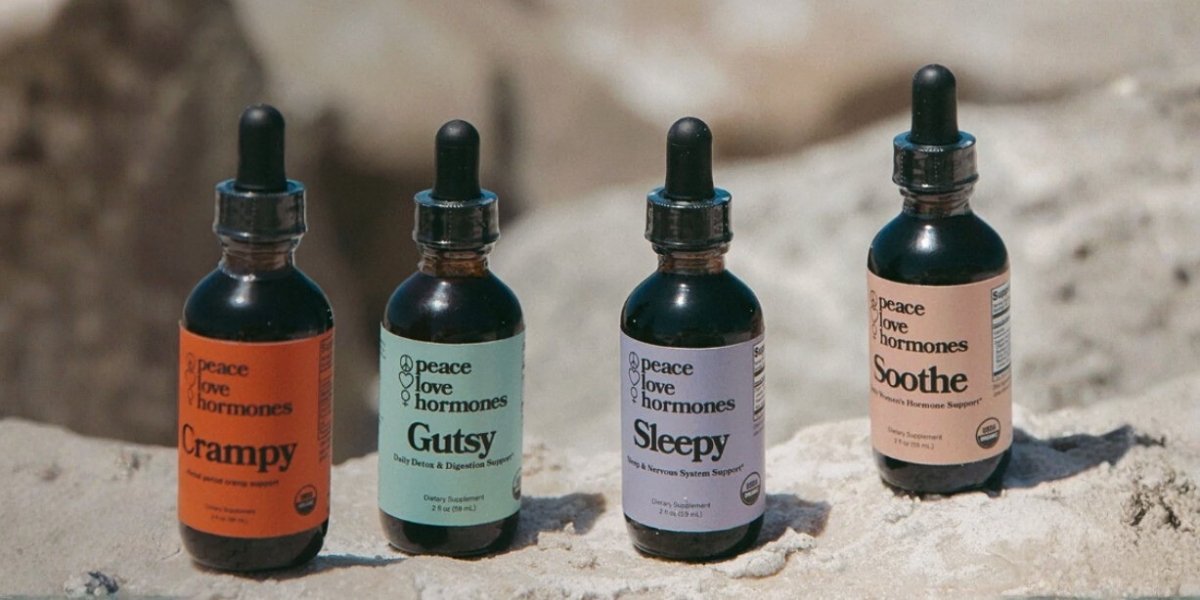
This is where Peace Love Hormones fits naturally into post-holiday recovery. Their clinical-grade herbal tinctures are designed to support the body during periods of transition. Formulas like Sleepy for rest, Gutsy for digestion, Soothe for stress support, and Crampy for menstrual comfort offer targeted herbal support rooted in both ancient traditions and modern clinical formulation.
Each product reflects a philosophy of meeting the body where it is, allowing recovery to happen without pressure or force.
How to Support Your Hormones as Your Body Finds Its Way Back to Balance
Post-holiday recovery is not about pushing harder or snapping back into routine overnight. It is the body’s natural response after weeks of heightened demand. Fatigue, mood shifts, disrupted sleep, and lingering stress are signals that the system is recalibrating, not failing.
The good news is that recovery does not require drastic changes. Small, steady supports make a meaningful difference during this phase. Stabilizing meals, prioritizing sleep where possible, staying hydrated, and creating pockets of calm help hormones gradually regain their rhythm after the holidays.
Adding trusted, clinically formulated herbal support can further reinforce balance when routines are still settling. Peace Love Hormones was built on the belief that women deserve more than being told lingering symptoms are just something to live with. Founded by Maddie Miles-Manley, the brand blends ancient herbal wisdom with modern clinical dosing to create formulas that support the body’s natural intelligence. Every tincture is organic, made in the USA, third-party tested, and formulated with care.
Post-holiday recovery does not mean abandoning joy or momentum. It means giving the body the space it needs to restore balance so energy, clarity, and emotional steadiness can return.
If the weeks after the holidays often leave you feeling off, exhausted, or emotionally stretched, consider giving your hormones a little extra support. Explore Peace Love Hormones and discover how gentle, clinical-grade herbal medicine can help you move through post-holiday recovery feeling calmer, more balanced, and deeply supported.
Because feeling good should not be seasonal.
Disclaimer: The products discussed in this article have not been evaluated by the Food and Drug Administration (FDA). These products are not intended to diagnose, treat, cure, or prevent any disease or medical condition. The information provided in this article is for educational purposes only and should not be construed as medical advice. Always consult with your physician or other qualified healthcare provider before starting any new dietary supplement or making changes to your health regimen. Individual results may vary, and the effects of these products have not been scientifically proven or clinically verified for all individuals.