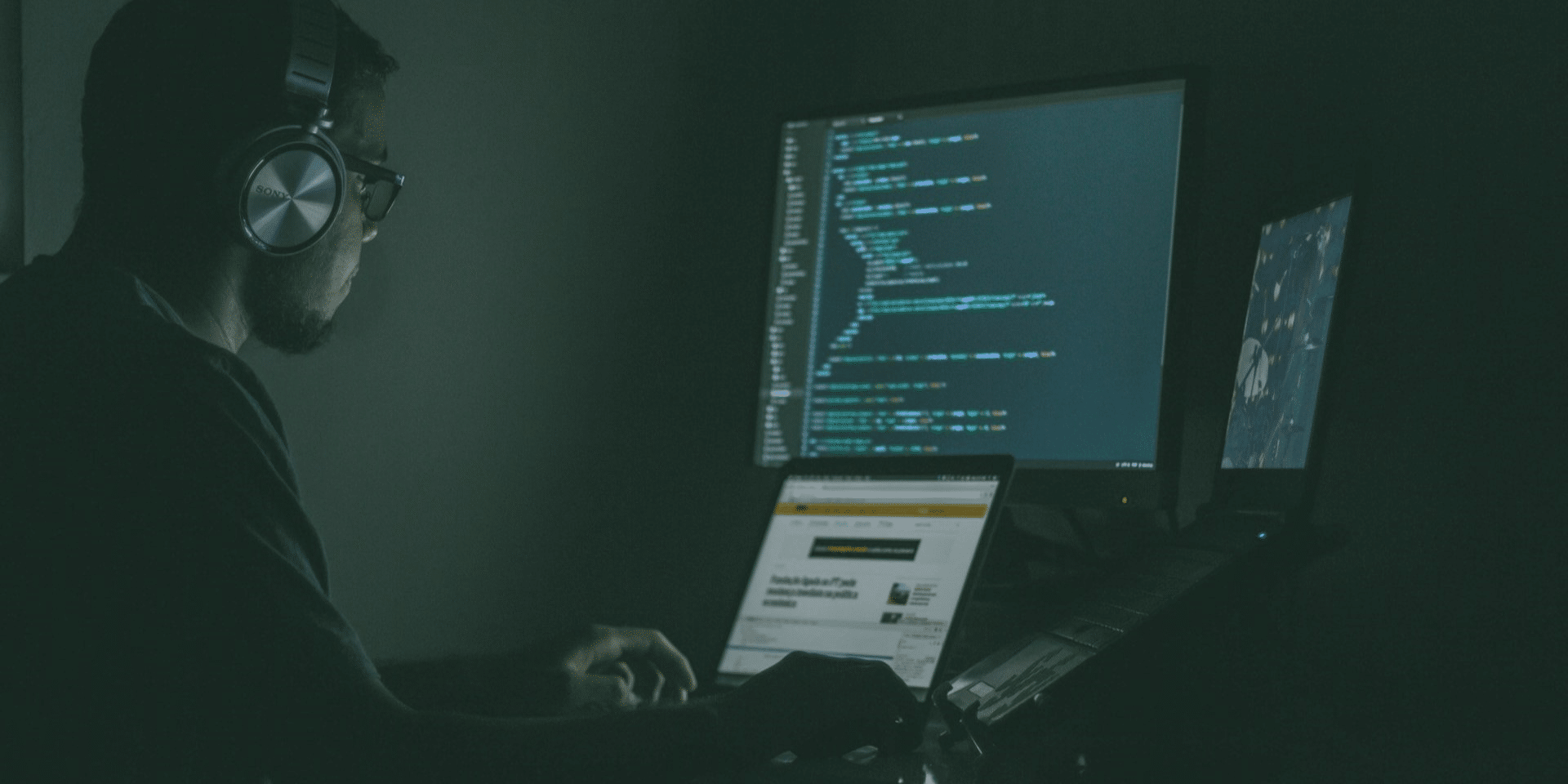
In the past, a business might worry about a physical break-in or a filing cabinet being left unlocked. Today, the most valuable assets a company owns are often invisible. Data, customer information, and financial records sit on servers and in the cloud. This shift has made cybersecurity one of the most important parts of running a company. It is no longer just a task for the IT department, it is a core business priority.
As companies rely more on technology, the opportunities for digital criminals increase. Hackers do not always target large corporations. In many cases, small and medium enterprises are more attractive targets because they often have weaker defenses. A single successful attack can stop operations, lead to massive financial losses, or destroy a company’s reputation.
A common type of attack is ransomware. This happens when a hacker locks a company’s files and demands money to release them. Another frequent issue is phishing, where employees receive emails that look real but are designed to steal passwords. These methods are becoming more sophisticated, making it harder for untrained eyes to spot the danger.
The Real Cost of a Data Breach
When a business loses data, the costs go far beyond the immediate fix. There are legal fees, regulatory fines, and the cost of notifying customers. However, the biggest loss is often trust. If customers feel their personal information is not safe, they will take their business elsewhere.
Satya Nadella, the CEO of Microsoft, once noted the scale of this challenge during a keynote speech:
“Cybersecurity is the central challenge of the digital age.”
This statement highlights that security is not a one-time project. It is an ongoing battle that requires constant attention.
Protecting the Human Element
Many people think cybersecurity is only about software and firewalls. While those are important, the human element is often the weakest link. Most security breaches happen because of a simple human error, like clicking a bad link or using a weak password.
Training employees is one of the most effective ways to stay safe. When staff members understand how to recognize suspicious activity, they become a human firewall. Simple habits, such as using multi-factor authentication (MFA), can stop the majority of automated attacks. MFA requires a second form of ID, like a code sent to a phone, before allowing access to an account.
Building a Culture of Security
For a business to be truly secure, the leadership must take it seriously. Security should be built into every process, from how a company hires people to how it handles customer support. This is often called “security by design.” It means thinking about risks before they happen, rather than reacting after a problem occurs.
The late Ginni Rometty, former CEO of IBM, famously spoke about the value of data and the need to protect it:
“Cybercrime is the greatest threat to every company in the world.”
When leadership treats security as a fundamental value, employees are more likely to follow suit. This involves investing in the right tools and making sure that security protocols do not become so complicated that people try to bypass them.
The Role of Technology and AI
While humans are the first line of defense, technology provides the necessary tools to scale protection. Modern security systems use artificial intelligence to watch for unusual patterns. For example, if an employee usually logs in from London but suddenly tries to access files from a different country at midnight, the system can flag it.
These tools help businesses stay ahead of hackers who also use automation. By using updated software and encrypting sensitive data, a company makes itself a much harder target. Encryption scrambles data so that even if it is stolen, it cannot be read without a specific key.
Legal and Regulatory Requirements
Governments around the world are passing stricter laws to protect citizen data. In Europe, the GDPR (General Data Protection Regulation) set a high standard for how companies must handle personal info. Similar laws are appearing in other regions. If a business fails to meet these standards, it can face fines that are large enough to shut the company down.
Staying compliant is not just about avoiding fines. It shows customers that the business is professional and respects their privacy. It serves as a seal of quality in a digital world where privacy is becoming a rare commodity.
A Continuous Journey
Cybersecurity is not a destination. Hackers are always finding new ways to get past defenses, which means businesses must always be learning. Regular security audits, where experts test the system for holes, are a good way to find weaknesses before a criminal does.
Kevin Mandia, a well-known cybersecurity expert and founder of Mandiant, explained the reality of the situation:
“If you’re a CEO today, you have to be a cybersecurity CEO.”
This means staying informed about the latest threats and ensuring the company has a plan for when, not if, an attack happens. Having a clear incident response plan allows a business to recover quickly and minimize damage.
Summary Table: Key Cybersecurity Actions
| Action | Why it Matters |
| Employee Training | Reduces the risk of human error and phishing. |
| Multi-Factor Authentication | Blocks unauthorized access even if a password is stolen. |
| Regular Updates | Fixes security holes in software that hackers exploit. |
| Data Encryption | Makes stolen data useless to criminals. |
| Incident Response Plan | Ensures the business knows how to react during a crisis. |
Cybersecurity is a vital part of modern business health. By combining the right technology with a well-trained team and strong leadership, a company can protect its assets and maintain the trust of its customers.