
More brands are rethinking how they produce content for social platforms. The shift toward in-house creators has been gradual but noticeable, especially among teams aiming to create more authentic, fast-turnaround content. Traditional influencer partnerships and agency-driven campaigns once dominated the space, but those often came with delays, high costs, or messaging that felt disconnected from the brand itself.
In-house creators offer a more hands-on solution. These are content producers employed directly by the brand, social media managers, videographers, designers, and copywriters who understand the company’s voice and goals from the inside. With their proximity to the product, the team, and the culture, they’re often better positioned to reflect what the brand stands for in a more natural, relatable way.
How does in-house content feel more authentic to audiences?
Authenticity on social media isn’t just a buzzword. It plays a role in how audiences interpret trustworthiness and relatability. In-house teams can show real employees, behind-the-scenes operations, or low-lift product highlights without the polished finish of agency production. This shift toward raw and real content has become especially relevant with the rise of short-form video platforms, where spontaneous, unscripted content performs well.
Instead of hiring external influencers or outsourcing every campaign, some teams are building internal “creator studios” or tapping existing employees with creative skills. When content is made by those who are already part of the company, it tends to reflect everyday realities more accurately. That familiarity shows up in tone, visuals, and even the timing of posts.
There’s also less of a delay in capturing moments. Teams don’t have to wait on edits or third-party approvals. This ability to respond in real time, whether it’s to a trending sound or a customer question, adds a layer of relevance that’s hard to replicate through outsourced content.
What are the operational advantages of using in-house creators?
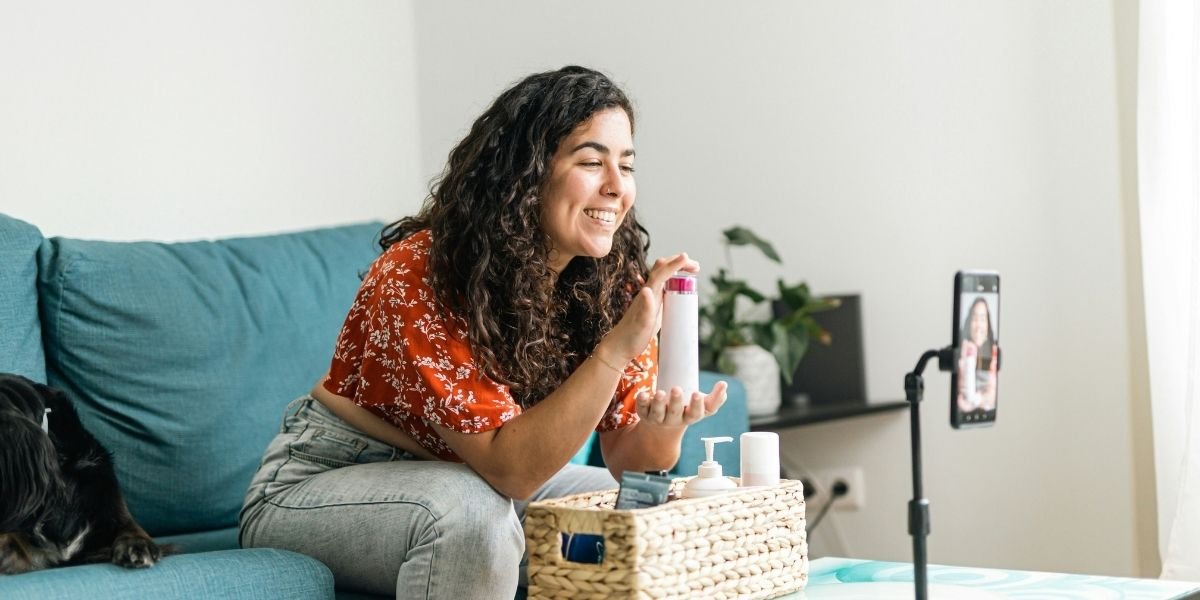
Cost efficiency is often a driving factor. While onboarding full-time staff may seem like a bigger upfront investment, it often saves money in the long run compared to high agency fees or influencer retainers. Teams gain more content per dollar and often faster turnaround.
There’s also the added benefit of consistency. With external collaborators, tone and visuals can vary based on interpretation. In-house creators, by contrast, usually align more tightly with brand guidelines. They attend team meetings, interact with products daily, and better understand campaign objectives. This results in fewer revisions and more streamlined workflows.
Here’s where the shift makes sense for many companies:
- Control over voice and tone: Internal teams are steeped in brand identity.
- Speed to publish: There’s less back-and-forth than with external creators.
- Content volume: In-house teams can work in sprints or repurpose assets quickly.
- Data-driven iteration: Real-time performance feedback leads to more agile updates.
This isn’t to say that all external partnerships are obsolete. Specialized campaigns or large-scale initiatives may still require outside help. But for day-to-day content, especially on platforms that favor high volume and speed, having creators in-house makes operational sense.
Are in-house creators changing the expectations for brand storytelling?
In-house creators are blurring the lines between marketing and storytelling. There’s a growing emphasis on content that doesn’t feel like traditional advertising. Instead, many teams are leaning into formats that resemble what users already post and consume on their own feeds, quick how-to videos, informal interviews, or commentary with humor and personality.
One result is that brands are becoming more human. Not because they’re copying trends, but because the people making the content are part of the daily work environment. The creators themselves may even develop their own social presence tied to the brand, offering a face and voice that audiences come to recognize.
This approach also gives brands more room to experiment. Since everything isn’t tied to one big campaign, creators can test ideas, scrap what doesn’t work, and iterate quickly. That flexibility often leads to more original content and a stronger emotional connection with followers.
How is success measured with in-house social content?
Metrics vary depending on the goal, but engagement tends to be a key focus, comments, shares, watch time, and saves often speak more to relevance than just reach. In-house teams usually keep a close eye on how content performs across different formats and platforms, adjusting based on what resonates most with the audience.
Another advantage is faster learning loops. Since the creators are part of the same team reviewing analytics and planning new content, they can implement changes without added layers of approval. This adaptability contributes to sharper messaging and more strategic planning over time.
Beyond numbers, success also shows up in brand sentiment. A consistent voice, relatable content, and timely posts often help brands appear more grounded and trustworthy. These aren’t always metrics that show up in a dashboard, but they contribute to longer-term brand health.
Read also: From Audience to Author: The Rise of User-Generated Content (UGC)
What does the future look like for in-house creators in social strategy?

The shift isn’t about replacing all traditional content pipelines. Instead, it reflects a rebalancing of priorities. Brands want more control, speed, and relatability, and building creative talent internally helps them achieve that.
As platforms evolve and audience expectations shift, the ability to tell stories quickly and authentically becomes more valuable. In-house creators bring creative flexibility while aligning closely with the brand’s voice. This hybrid role, part content strategist, part producer, part community listener, is becoming a critical piece of modern social strategy.
Whether through employee-driven videos, behind-the-scenes clips, or on-the-fly product highlights, in-house social content is redefining how brands show up online. It’s a shift grounded in practicality, creative control, and a better understanding of what audiences respond to, and it’s likely to keep gaining traction.