By: Liam Chen
Building stronger communities through volunteerism is a powerful way to make a positive impact and support communities. Effective volunteerism makes real, positive change. By committing to service, we can address pressing social issues, strengthen community bonds, and make a lasting impact.
Deb Waszak, a Chicago medical assistant and lifelong volunteer, explores how dedicated volunteer efforts can transform communities, highlighting the importance of every individual’s contribution. Through her unique perspective, she unpacks the true potential of commitment to service and how it can lead to meaningful and lasting social change.
The Importance of Volunteerism in Community Building
Volunteerism plays a crucial role in creating stronger, more connected communities. By offering time and skills, volunteers help bridge gaps and build a sense of unity. Volunteering isn’t just about helping others but entails forming bonds and making connections.
“When you work together with others toward a common goal, you form a special bond,” says Deb Waszak. “You develop trust and understanding and learn to appreciate the strengths and perspectives of others.”
Communities face challenges, from natural disasters to economic hardships. Volunteerism can make a community more resilient by providing support during these tough times. Volunteers are often the first to step up, offering help and resources when they’re most needed.
Volunteerism promotes a culture of mutual aid where everyone chips in to help one another. This sense of shared responsibility strengthens community bonds and prepares everyone to face future crises more effectively.
Through fostering social connections and enhancing resilience, volunteerism proves to be an invaluable asset. Each act of service not only helps those in need but also strengthens the fabric of society, making the community more cohesive and robust.
Effective Volunteerism: Key Principles
Effective volunteerism requires more than just a willingness to help. It demands a deep understanding of community needs and a spirit of collaboration. For volunteer efforts to be truly effective, it’s crucial to first understand the specific needs of the community. This means going beyond assumptions and taking the time to listen and learn.
Recognizing these needs ensures that volunteer efforts are directed where they are most needed. This could involve spending time in the community, conducting surveys, or holding meetings with local residents. It’s about engaging directly with the people and understanding their struggles, hopes, and what they believe will bring the most benefit.
When volunteers understand what the community really needs, they can focus their efforts on areas that will make the most significant impact. The strength of volunteerism often lies in collaboration. When volunteers, local organizations, and community leaders work together, they can achieve far greater results than they would alone.
Effective partnerships involve clear communication, shared goals, and mutual respect. Volunteers should seek out opportunities to join forces with existing organizations that have a deep-rooted presence in the community. This collaborative approach helps avoid duplication of efforts and leverages the strengths of all parties involved.
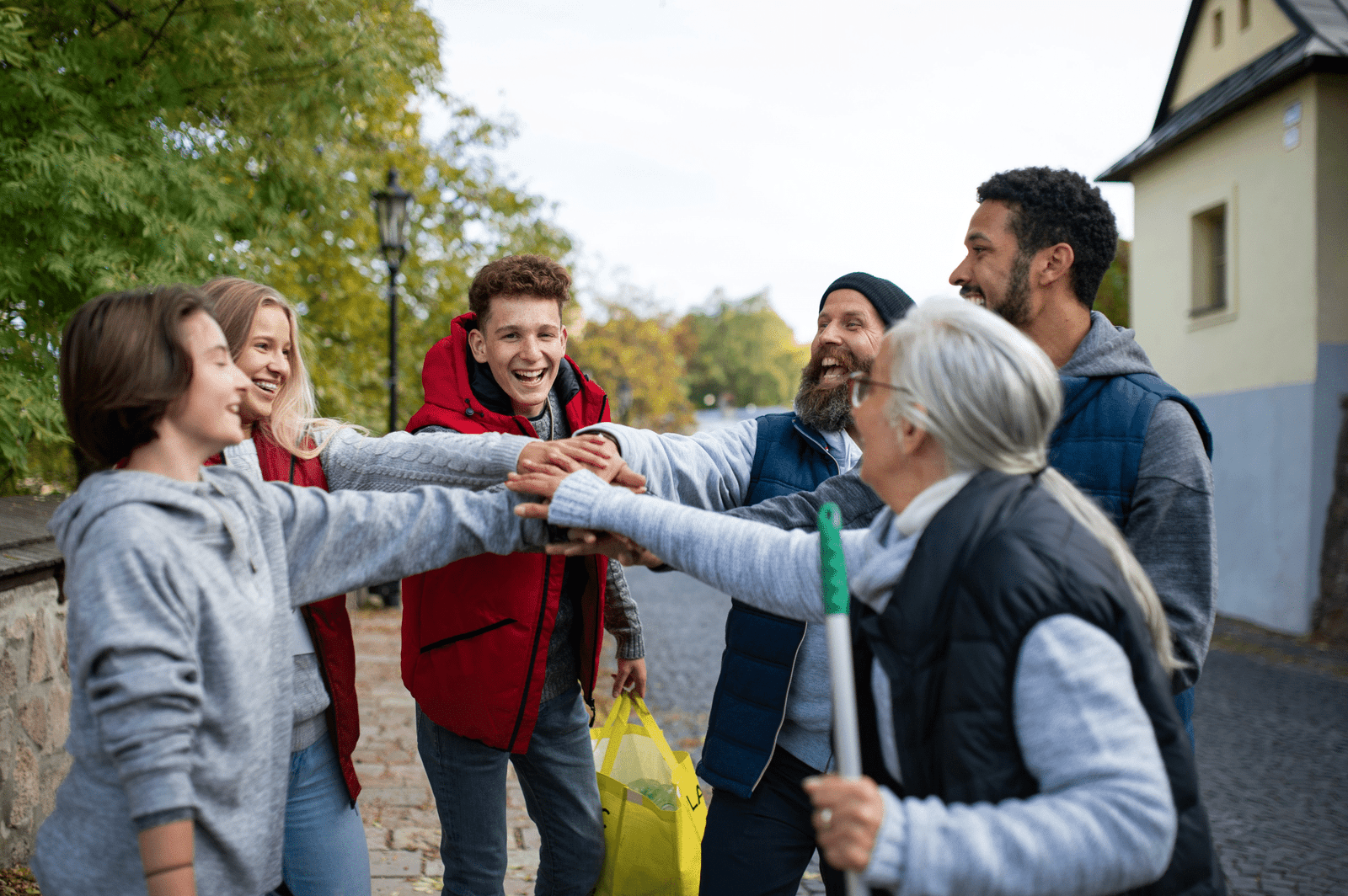
The Benefits of Volunteering for Individuals
Volunteering doesn’t just help the community but brings numerous benefits to the individual. By giving your time and effort, you gain a lot in return. Volunteering is a powerful tool for personal growth and development. It offers opportunities to learn new skills, increase self-awareness, and build confidence in ways that everyday routines might not.
Through volunteering, you can learn a variety of skills that are valuable in both personal and professional contexts. Whether it’s project management, communication, or leadership, these skills are transferable and highly sought after in the job market.
Working in different environments and with diverse groups of people helps you understand your strengths and weaknesses better. This self-awareness is crucial for personal growth and making informed life choices.
Notes Deb Waszak, “Taking on new challenges and achieving goals through volunteering can significantly boost your confidence.”
Engaging in meaningful work that has a direct positive impact on others can give your life a greater sense of purpose and fulfillment.
Volunteering offers numerous health benefits for both the mind and body. It can reduce stress, combat depression, and even improve physical fitness. Engaging in volunteer activities can reduce feelings of isolation and depression. Helping others releases endorphins, also known as the “feel-good” hormones, which can improve your mood and overall mental well-being.
Volunteering can serve as a great stress reliever. It allows you to focus on something positive and meaningful, giving you a break from daily stressors. Many volunteer activities involve physical labor, which can improve your fitness levels.
Whether it’s building houses, cleaning parks, or participating in community sports events, these activities keep you active. Being part of a volunteer group provides a sense of community and belonging. The social interactions and connections you make can be vital for emotional health and longevity.
Challenges and Solutions in Volunteerism
Volunteering has its challenges, but with the right strategies, these obstacles can be overcome. Addressing these challenges helps create a more effective and sustainable volunteer ecosystem. Many people want to volunteer, but various barriers can prevent them from getting involved. Understanding these barriers is the first step towards finding solutions and encouraging more people to participate.
Common barriers to volunteering include time constraints, lack of awareness, transportation issues, and fear of commitment. To address these barriers, volunteer opportunities that fit different schedules, such as evening or weekend shifts, should be offered. Short-term or one-time events can also attract those with limited free time.
Use social media, community boards, and local events to spread the word about volunteer opportunities. Clear communication about what volunteers will be doing and how it impacts the community can motivate participation.
Choose volunteer sites that are easy to reach by public transportation and consider providing travel stipends or carpooling options. Provide opportunities that require minimal commitment, allowing volunteers to try out different roles without feeling locked in.
By addressing these barriers, we can make volunteering more accessible and attractive to a broader audience.
Ensuring Sustainable Volunteer Engagement
Keeping volunteers engaged over the long term is essential for building strong communities. Without sustainable engagement, volunteers may experience burnout, leading to high turnover rates and a loss of valuable skills and experience.
Regularly recognize and appreciate volunteers for their contributions. This can be through thank-you notes, awards, or public acknowledgment at events. Offer training and development opportunities to help volunteers build new skills and advance in their roles. This not only benefits the organization but also keeps volunteers motivated and invested.
Foster a supportive and inclusive environment where volunteers feel valued and part of a team. Regular check-ins and feedback sessions can help address any issues early on. Avoid overburdening volunteers by balancing their workloads and ensuring they have the necessary resources to succeed.
“Encourage a sense of community among volunteers,” says Waszak.
Organize social events, team-building activities, and opportunities for volunteers to share their experiences and support each other. By adapting to change and continuously engaging individuals, we can ensure that volunteerism remains a vital force in building stronger, more resilient communities. Let’s continue to champion volunteerism and harness its power to create a lasting positive impact.
Published by: Holy Minoza