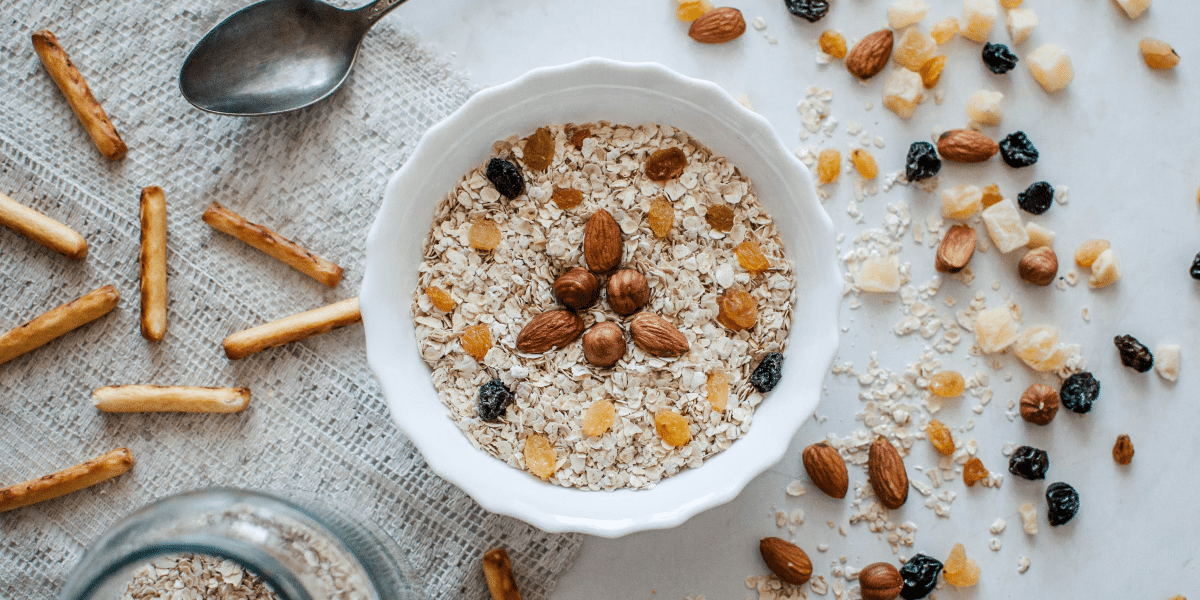
Image commercially licensed from Unsplash
When it comes to choosing a breakfast cereal, many of us are attracted to products that are marketed as “healthy.” With claims such as “good source of fiber” and “low in fat,” these cereals seem like an intelligent choice for those looking to start their day off right.
However, a recent nutritional study conducted by GoCoCo, a new app changing the way we think about nutrition and healthy eating, reveals that this may not be the case. For example, the study found that many bowls of cereal advertised as “healthy” are no better than their sugary counterparts.
The study analyzed more than 500 breakfast cereals and isolated the 60 products classified as “healthy” by supermarkets. The results were alarming. Of the 60 products, 98% were classified as ultra-processed. Furthermore, 90% of these products contained high sugar levels, averaging 22.5 grams per 100 grams. In addition, 37% of the “healthy” cereals also had high salt levels.
Even more concerning is that these cereals performed worse than their sugary counterparts regarding nutritional value. Companies deftly use powerful marketing techniques to make it seem like these cereals are healthy, even though they are loaded with sugar, salt, and other unhealthy additives. For example, they often add nuts, dried fruit, and whole grains associated with a healthy diet. However, they also add sugar and salt to enhance the taste, making them more appealing to consumers.
To make matters worse, these “healthy” cereals often contain artificial coloring and flavoring, making them look more appealing on store shelves. Companies also add vitamins and minerals as a marketing tactic, despite these nutrients being easily obtained through natural, unprocessed sources like whole fruits and vegetables.
Fortunately, there are healthy cereals out there containing minimal ingredients and little to no added sugar. Examples include Nature’s Path Organic Fruit Juice Corn Flakes Cereal and Alpen No Added Sugar Muesli Cereal. By opting for these cereals, consumers can start their day with a nutritious meal that won’t compromise their health or weight loss goals.
While the study focuses on breakfast cereals, it’s important to note that breakfast isn’t necessarily the day’s most important meal. Instead, what matters is the overall nutritional quality of a person’s diet, not just one isolated meal. In fact, studies have shown that skipping breakfast altogether can be perfectly healthy, as long as other meals are balanced and no ultra-processed snacks are consumed between meals.
Here are several healthy breakfast alternatives to cereal that you can consider:
- Oatmeal: Oatmeal is an excellent option for breakfast because it is high in fiber and protein. You can add fruits like bananas, blueberries, or strawberries to it for added flavor and chia seeds, matcha or hemp heart powder for nutrients.
- Greek Yogurt: Greek yogurt is an excellent source of protein and can help you stay full for extended periods. You can add fruits, nuts, or honey to it for added flavor.
- Smoothies: Smoothies are another great way to pack several nutrients in one meal. Add fruits, vegetables, nuts, and seeds to your smoothie for a healthy and filling breakfast.
- Eggs: Eggs are a great source of protein and can help you stay full for extended periods. You can scramble, poach, or boil them and pair them with whole-grain bread for a complete meal.
- Avocado Toast: Avocado toast is a popular breakfast option and a great source of healthy fats. You can add eggs, tomatoes, or salmon for added nutrients.
Apps like GoCoCo are designed to help you identify which foods are healthy and which are not. These apps use algorithms and AI to analyze food labels, provide users with information about the food’s nutritional value or lack thereof, and suggest healthier alternatives.
GoCoCo, in particular, is an app that aims to help people adopt healthy eating habits. It provides personalized recommendations based on your goals, preferences, and lifestyle. The app also features a built-in product scanner to identify which products to avoid at the supermarket. It also suggests healthier alternatives, meal plans, recipes, and shopping lists, making sticking to a healthy diet easier.
In summary, starting your day with a healthy breakfast is essential, and several options exist. Don’t be fooled by the marketing hype and buy into “healthy” breakfast cereals that do more harm than good.