Something as simple as a musty smell can send a household on the search for washing machine cleaner tablets. With so many choices available, the laundry aisle can feel a bit intimidating. Many packages list compatibility with front-load, top-load, and HE washing machines. However, that can also be confusing when the machine’s control panel offers a cleaning cycle with additional instructions. So, where do the tablets go? Do the machines need an additional cleaner?
A cleaner’s label can identify suitable washer types, but the model’s cleaning cycle determines how the product should be used. Reading both sets of directions helps establish where the tablet goes and whether the cycle allows a cleaner.
What HE Means for Washing Machine Cleaner Compatibility
The term HE stands for high efficiency. Top-load and front-load washers can both be HE models. The terms on a cleaner’s package describe overlapping categories. An HE top-loader is still a top-loading machine. Its efficiency designation does not change its loading style.
This distinction allows someone shopping for washing machine cleaner tablets to avoid making an unnecessary choice between a “top-load” product and an “HE” product. One product may list both. The useful question is whether the product’s usage directions correspond with the washer’s care requirements.
The laundry-detergent instructions in the washer manual serve a different function. HE laundry detergent is used to wash clothes, and a washer-cleaning tablet is used to clean and maintain the washer. Therefore, those instructions should be checked separately. A familiar detergent setting or dispenser does not necessarily indicate where a washer-cleaning tablet should go.
Using Washing Machine Cleaning Tablets With the Right Cycle
Manufacturer guidance explains the significance of the cycle. According to LG’s tub-cleaning instructions for its front-load and top-load washers, the user must empty the drum and get rid of foreign objects. LG’s instructions for tablet users say to place the tablet in the drum, follow the cleaner’s instructions, and select Tub Clean. LG gives different placement instructions for liquid and powder cleaners.
Samsung’s washer-cleaning guidance says to run Self Clean with an empty washer and notes that the cycle does not require added cleaner. For models that do not have Self Clean or Pure Cycle, it tells users to clean their washer using a washing machine cleaner, according to the product’s instructions.
This does not mean that every Samsung washer prohibits tablets or that every tablet has LG’s approval. The examples show that the names of the cycles are not interchangeable. If there is a difference between a cleaner’s suggested cycle and the washer’s manual, the washer owner should contact the manufacturer to resolve this before using the cycle.
Reading Uproot Clean’s Compatibility Directions
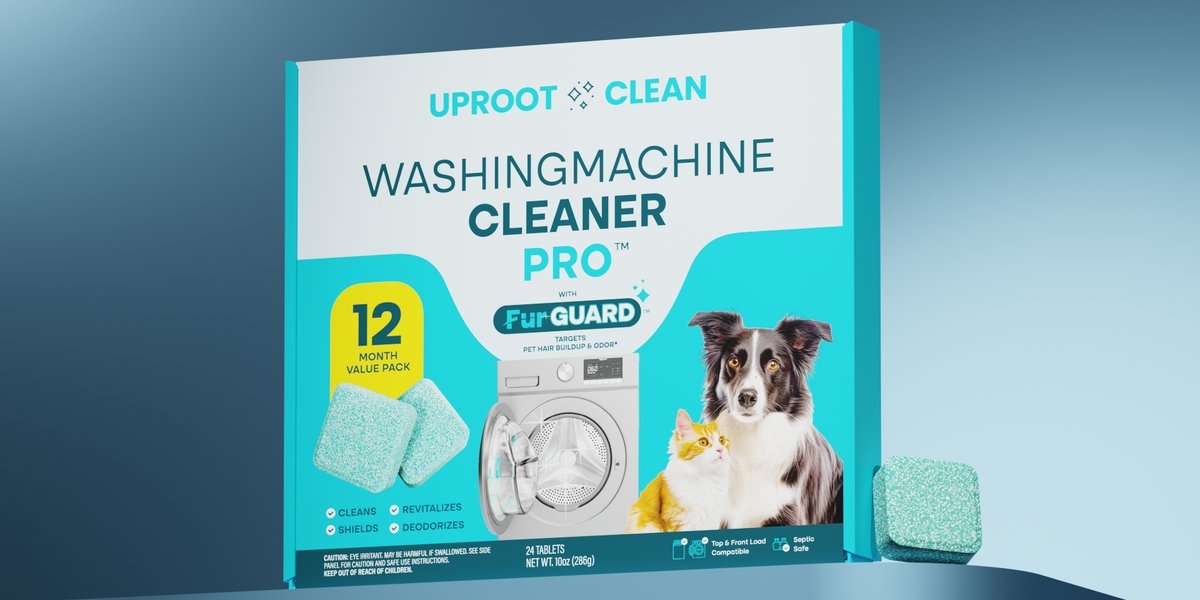
Uproot Clean lists its Washing Machine Cleaner Pro as compatible with front-load, top-load, and HE machines. The product’s FAQ also lists stainless steel and white interiors. Those are manufacturer claims, not evidence of approval of the cleaner by every appliance manufacturer for each of their models.
The directions specify one tablet for an empty drum, and no tablet in the detergent dispenser. Uproot’s instructions specify a Normal/Hot Water or Clean Washer cycle, followed by wiping away any residue. Users must check the directions against their washer’s manual to choose the appropriate cycle.
Uproot Clean’s washer-compatibility guide covers the company’s directions for different washer types. Any caution or product restriction in the appliance manual needs attention before purchase.
Washing Machine Maintenance Beyond the Drum
A compatible cleaner does not replace the washer’s other maintenance tasks. For instance, LG has separate maintenance procedures for the dispenser, door gasket and filters. Running a tablet through the drum does not replace these tasks.
The rubber gasket, or door seal, on a front-loader deserves the attention specified in its manual. A top loader also needs its dispenser maintained as described in its manual. Because filter access and cleaning procedures vary, owners should use instructions for their exact model, rather than use a procedure for a different model.
Once a suitable cleaner and cycle are identified, keeping the product name, dose and cleaning interval with the washer’s care instructions makes the routine easier to repeat. Those settings belong to that machine; another washer may need a different product or procedure.