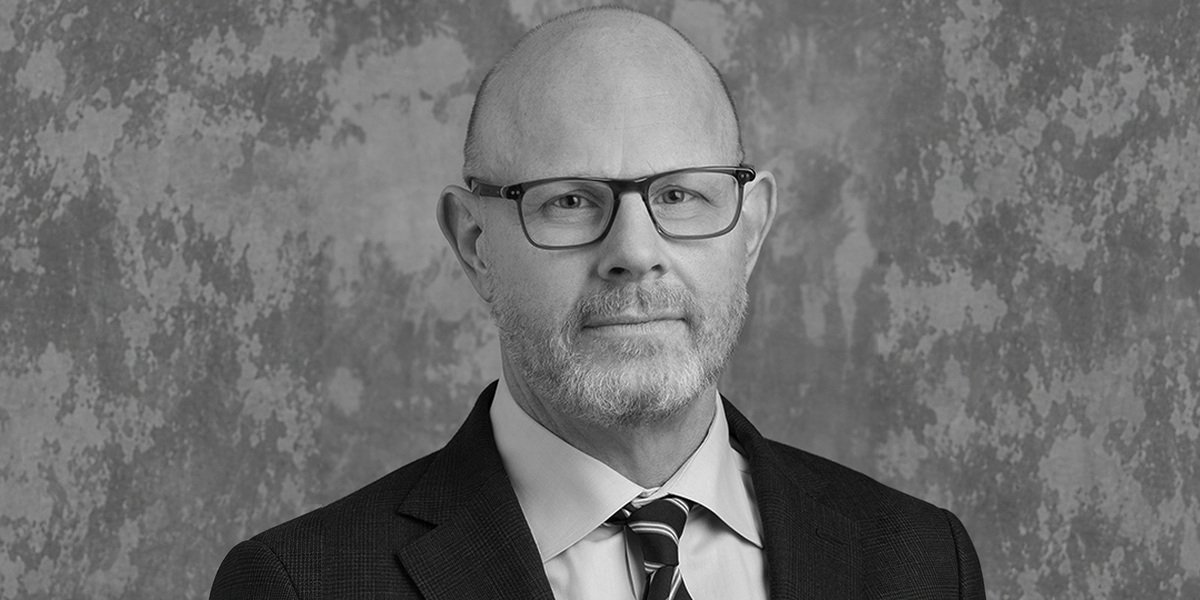
Medical guidance on lung disease changes as new evidence becomes available. Doctors must weigh clinical trial results, possible side effects, treatment costs, and the needs of patients when deciding how a condition should be managed. Professional societies help bring this evidence together through position statements and clinical guidance. Researchers also work outside hospitals and laboratories. They may advise companies developing treatments, assess research proposals, take part in international working groups and explain health risks to the public. These activities connect scientific findings with clinical decisions and public understanding. The work of Yuben Moodley, a respiratory physician and researcher in Western Australia, spans several of these areas.
Moodley is Professor of Respiratory Medicine at the University of Western Australia (UWA) and a consultant respiratory physician at Fiona Stanley Hospital. He is also Co-Deputy Director and Research Leader of the Cell Biology Group at the Institute for Respiratory Health. His work covers idiopathic pulmonary fibrosis (IPF), chronic obstructive pulmonary disease (COPD), cellular therapies and biomarkers. Alongside research, he has contributed to professional guidance, scientific advisory boards and public discussion of respiratory health. These roles involve different responsibilities, from assessing evidence for clinical use to explaining how infections, smoking and air pollution affect the lungs.
The Thoracic Society of Australia and New Zealand (TSANZ) has published position statements to help clinicians assess and treat interstitial lung diseases. Moodley co-authored the 2017 position statement on the treatment of IPF, prepared with the Lung Foundation Australia. The document reviewed treatment options for a progressive disease that causes scarring in lung tissue and can lead to worsening breathlessness and loss of lung function. It provided a regional clinical reference at a time when antifibrotic medicines were changing the management of IPF.
Moodley also contributed to the TSANZ position statement on connective tissue disease-associated interstitial lung disease, published online in November 2020 and in Respirology in January 2021. These lung conditions can occur alongside autoimmune diseases and may vary considerably in severity. The statement outlined approaches to diagnosis, monitoring, and treatment across major connective tissue diseases. Its authors noted that the course of illness can be difficult to predict, making decisions about when to treat and which therapy to use a continuing challenge for clinicians.
The revised TSANZ position statement on IPF and progressive pulmonary fibrosis also contributed. First published online in January 2024, the document updated guidance first issued in 2017. It reviewed evidence for antifibrotic treatments, including pirfenidone and nintedanib, and addressed nintedanib use in progressive pulmonary fibrosis beyond IPF. The revision reflected changes in available evidence and the subsidised availability of antifibrotic treatment in Australia and New Zealand.
Moodley also participated in the American Thoracic Society (ATS) Stem Cell Working Group from 2019 to 2023. The group’s focus aligns with his research on cell-based therapies for lung disease. Stem-cell research has raised questions about safety, evidence standards, and the difference between experimental treatments tested in clinical trials and products marketed directly to patients. Moodley’s own research has examined mesenchymal stromal cells in COPD, including early clinical studies of safety and inflammatory responses. In 2021, he said the treatment had not been shown to cure COPD and that further trials were needed to establish whether it could lead to improved therapies.
In 2025, Moodley co-authored an official ATS clinical statement titled Approach to the Evaluation and Management of Interstitial Lung Abnormalities. Published in the American Journal of Respiratory and Critical Care Medicine, the statement addressed abnormalities seen on chest computed tomography scans that may indicate early lung disease. The committee reviewed evidence and voted on 11 prespecified questions, requiring at least 70 percent agreement to approve suggestions. The document proposed approaches to screening, evaluation and management, while identifying areas where further research was needed.
In July 2026, an international working group report on acute exacerbations in fibrotic interstitial lung disease was published in the same journal. The report examined sudden worsening in people with fibrotic lung disease. This event can be life-threatening and remains difficult to predict and treat. The report brought together international clinical and research expertise to address definitions, assessment and management. Moodley’s participation placed him among the contributors to a wider effort to improve consistency in how these events are studied and described.
Moodley has served on scientific advisory boards associated with Roche and Boehringer Ingelheim, companies involved in respiratory medicines, including antifibrotic therapies. Such roles can bring clinical and research perspectives into discussions about drug development and disease management.
In November 2025, Australian biotechnology company Neuroscientific Biopharmaceuticals announced Moodley’s appointment to its Clinical and Scientific Advisory Board. The company develops treatments for neurological and inflammatory conditions. Its announcement listed Moodley’s respiratory medicine and lung biology experience alongside other clinicians appointed to the board. The appointment adds a company advisory role to his existing academic, clinical and research commitments.
Moodley’s public communication has covered smoking, vaping, vaccination, respiratory infections and environmental exposure. In May 2024, the Institute for Respiratory Health used World No Tobacco Day to draw attention to youth vaping and the ease with which young people could access products online. Moodley discussed the risk that rising vaping among young people could undermine progress in reducing smoking. In a separate campaign published in December 2024, he addressed quitting smoking, describing nicotine addiction and the role of planning, professional support and treatments such as nicotine replacement therapy.
He has also commented on vaccination. During Western Australia’s COVID-19 wave in May 2022, he urged eligible people to get COVID-19 booster doses and encouraged influenza vaccination as winter approached. In November 2024, he called for broader access to pneumococcal vaccination for people with lung conditions, arguing that the cost could leave some patients vulnerable to preventable infection. These comments placed respiratory prevention within discussions about public health policy and access to care.
Environmental risks have been another subject. In 2021, Moodley spoke to ABC News about poor air quality caused by prescribed burns in Western Australia’s south-west, explaining that short-term smoke exposure could affect people with existing health conditions. In 2022, the Institute for Respiratory Health published his warning about bushfire smoke, including fine particulate matter known as PM2.5, which can penetrate deep into the lungs. He has also discussed indoor triggers for asthma and allergies. In 2023, the institute noted that asthma affected about one in nine Australians, or 2.7 million people, and highlighted the role of dust, dust mites and other household exposures.
Moodley’s media appearances have included ABC News reporting on COVID-19 and influenza, an ABC Perth radio discussion of common cold and flu remedies in June 2024, and coverage in The West Australian of COPD research and vaccination. His comments on cell therapy have also stressed the limits of early evidence. In 2010, he discussed placental-cell research tested in mice, while in 2021 he said further clinical trials were needed before stem-cell approaches could be considered established COPD treatments. Across these subjects, Yuben Moodley’s public and professional work has connected respiratory research with clinical guidance, health policy and the everyday questions patients face about lung health.