By: Faith Phelps, Mattioni Plumbing, Heating & Cooling
Frigid temperatures can wreak havoc on plumbing, heating systems, and home safety.
Preparing your home before winter arrives can prevent problems like frozen pipes, broken furnaces, and drafts. This means checking your vulnerable plumbing, taking care of your heating and equipment, and fixing other issues before it’s too late.
Mattioni Plumbing, Heating & Cooling, a third-generation, family-owned company serving Southeastern Pennsylvania since 1948, emphasizes preventive maintenance and homeowner education as key aspects of caring for residential plumbing and heating systems.
Why Winter Preparation Matters for Homeowners
Cold weather tests home systems more than usual. Uninsulated pipes are susceptible to freezing and bursting. Heaters run for extended hours, often revealing mechanical issues.
The Centers for Disease Control and Prevention advises homeowners to insulate water lines around and near exterior walls, seal cracks and openings around doors and windows, and get heating equipment ready.
The first step is to identify areas in your house that are not protected from the elements, then learn what you can do and which aspects a professional should handle.
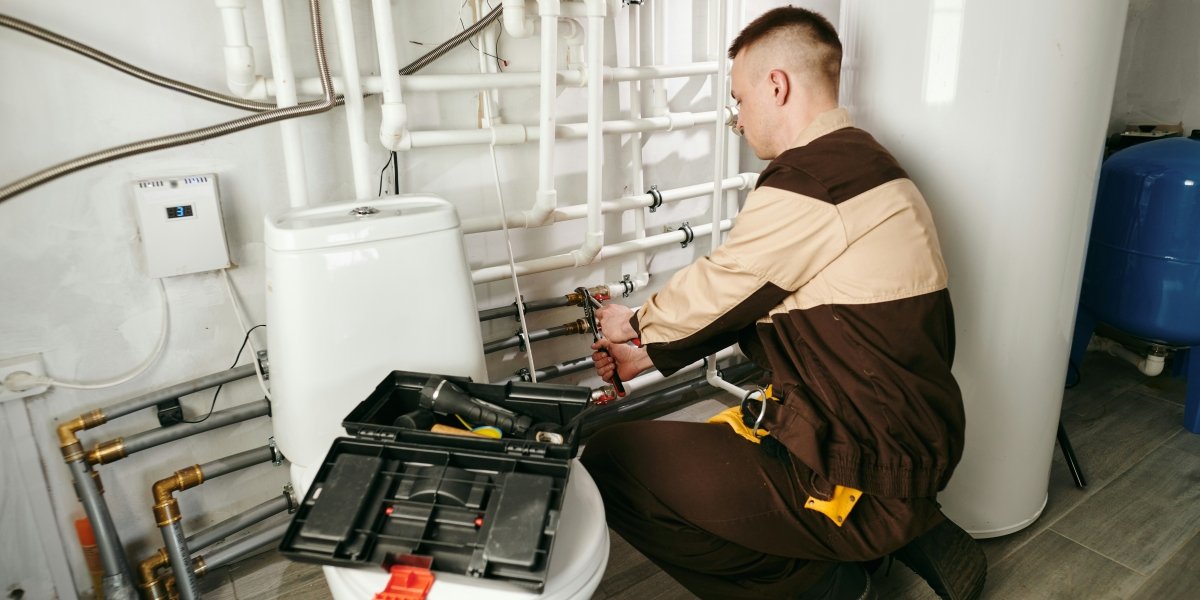
Inspect Exposed Pipes and Plumbing Connections
An important step in winterizing your home is checking accessible pipes for missing insulation, moisture, corrosion, or visible damage.
Pipes in exterior walls, garages, and unheated basements and crawl spaces are usually most prone to freezing.
Professionals can install foam pipe insulation in your home to minimize heat loss. Still, the insulation may not offer complete protection if it gets extremely cold outside for an extended time.
Recognize Early Plumbing Problems
A noticeable reduction in water pressure, unusual pipe noises, or inconsistent water flow may indicate developing plumbing issues.
Homeowners should also learn where the main water shutoff valve is located. Knowing how to stop the water supply can help limit damage if a pipe breaks.
Protect Outdoor Faucets and Hose Connections
Homeowners frequently overlook outdoor faucets during seasonal maintenance. However, water remaining inside exposed fixtures or connected hoses can freeze.
As part of winterizing your home, disconnect garden hoses, drain outdoor water lines where possible, and inspect exterior faucets for leaks.
For outdoor faucets connected to an interior shutoff valve, turn off the supply and drain the remaining water according to the plumbing system’s design.
Frost-free faucets provide additional protection when installed and maintained correctly, although they can still freeze if hoses remain attached or water cannot drain.
A plumber can identify whether existing outdoor fixtures require repairs or additional protection.
Prepare Heating Systems for Colder Weather
Heating equipment requires attention before temperatures drop significantly. A furnace that operates normally during mild weather may experience difficulty when heating demand increases.
Regular heating maintenance is another important component of winterizing your home, particularly for properties with older equipment.
As detailed in Mattioni Plumbing, Heating & Cooling’s guide to furnace lifespan, maintenance history, equipment age, and operating conditions can influence how long a furnace remains functional.
Professional heating inspections may include examining electrical connections, checking safety controls, evaluating airflow, and identifying worn components.
Check Filters, Thermostats, and Vents
Homeowners can support heating performance through several basic checks:
- Replace or clean air filters according to manufacturer recommendations.
- Test thermostat settings before sustained cold weather.
- Keep heating vents and return-air openings unobstructed.
- Check accessible equipment areas for unusual noises or visible leaks.
- Ensure carbon monoxide alarms are installed and functioning.
The U.S. Department of Energy also recommends regular heating filter maintenance to support system performance.
For more information on residential heating equipment, homeowners can refer to this HVAC educational video.
Check Insulation, Windows, and Doors
Maintaining indoor warmth is closely connected to protecting plumbing systems. Drafts and inadequate insulation can let cold air reach areas with water lines.
Homeowners should examine weatherstripping around exterior doors, inspect window seals, and look for gaps where plumbing or electrical lines enter the building.
Attics and crawl spaces also deserve attention because insulation problems can contribute to uneven indoor temperatures.
The Department of Energy recommends air sealing and appropriate insulation to improve household energy efficiency.
Keep combustion appliances’ ventilation openings unobstructed, and have a professional evaluate any sealing work you’re uncertain about.
Warning Signs Homeowners Should Never Ignore
Even careful preparation cannot eliminate every winter-related problem. Recognizing warning signs can help homeowners respond before damage becomes extensive.
Look for unexplained water stains, persistent pipe leaks, inconsistent room temperatures, and heating equipment that cycles unusually frequently.
Other concerns include unexplained increases in energy consumption, unusual furnace odors, and repeated thermostat adjustments without noticeable improvement.
A carbon monoxide alarm requires immediate evacuation and emergency assistance. Suspected gas leaks also require you to leave and contact the appropriate emergency service or gas utility from a safe location.
What to Do When Pipes Freeze
If a faucet produces little or no water during freezing weather, a supply line may be frozen.
Homeowners should avoid using open flames to thaw plumbing. If a pipe has burst, shut off the main water supply if it’s safe to do so and contact a qualified plumber.
Protective measures like winterizing your home before severe weather can reduce exposure to these emergencies but cannot prevent every failure.
Make Seasonal Maintenance a Regular Practice
Preventive maintenance works better when homeowners treat it as an ongoing responsibility rather than a last-minute task.
Before winter, review your plumbing insulation, outdoor fixtures, heating performance, and household emergency procedures. Record any concerns and arrange professional inspections when problems extend beyond routine maintenance.
Consistently winterizing your home can help you identify vulnerabilities earlier and make informed decisions about necessary repairs.
About Mattioni Plumbing, Heating & Cooling
Founded in 1948, Mattioni Plumbing, Heating & Cooling is a third-generation, family-owned home services company based in Downingtown, Pennsylvania.
The company provides residential plumbing, heating, and cooling services throughout Southeastern Pennsylvania, emphasizing quality workmanship, customer education, and long-term relationships.
Homeowners seeking assistance with winter plumbing maintenance, heating inspections, or seasonal repairs can learn about available services through the company’s official website.