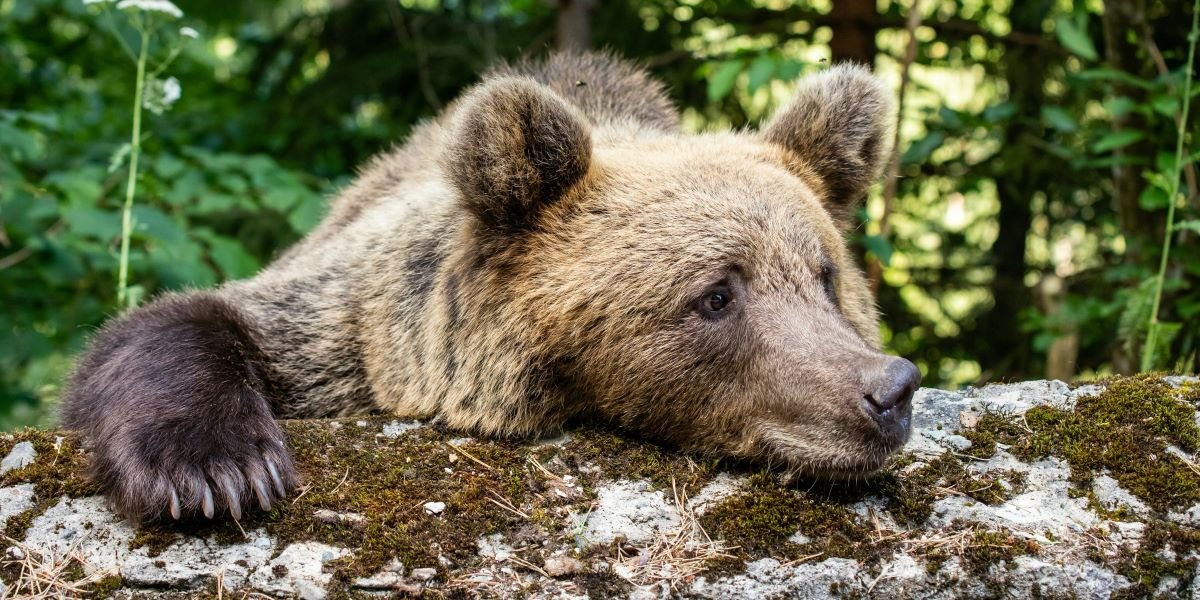
Katmai National Park and Preserve on September 18 revealed the bracket for Fat Bear Week 2026, expanding the annual single-elimination tournament to 16 competitors for the first time in its 12-year history. Public voting begins September 22 and runs through September 29, with fans around the world casting ballots to crown the brown bear that has packed on the most visible weight before winter hibernation along Alaska’s Brooks River. Defending champion Bear 32, known to regulars as “Chunk,” is back in the bracket. Park officials say they are observing more cubs at Katmai this year than in recent memory, a development that reflects a strong salmon run and healthy population dynamics across the preserve’s estimated 2,200 brown bears.
Key Takeaways
- Fat Bear Week 2026 expanded to a 16-bear bracket, up from 12 in previous years, for the single-elimination tournament running September 22-29
- More than 1.7 million votes from over 100 countries were cast during Fat Bear Week 2025; the 2026 edition is expected to surpass that total
- Defending champion Bear 32, nicknamed “Chunk,” returns to the bracket after winning the 2025 title
- Park officials report record cub numbers at Katmai, signaling strong salmon availability and favorable conditions for the bear population
- The competition is streamed live through explore.org bear cams positioned along the Brooks River, where bears gather to feed on sockeye salmon
- Fat Bear Week is a partnership between the National Park Service, explore.org, and Katmai Conservancy
The Tournament Grows to 16 Bears for the First Time
Fat Bear Week has been running since 2014, when it launched as Fat Bear Tuesday, a single-day online vote hosted by Katmai National Park. The concept was simple: present the public with before-and-after photos of Katmai’s brown bears showing their transformation from lean spring figures to rotund pre-hibernation bodies, and let the internet decide which bear wore its weight gain with the most authority. The event expanded into a weeklong tournament in 2015 and has grown every year since.
The 2026 edition marks the first time the bracket includes 16 competitors, up from the 12-bear field that has been standard in recent years. The expansion means more matchups, more voting rounds, and a longer path to the championship for whichever bear emerges on September 29. Each round is a head-to-head vote, and whichever bear earns fewer votes is eliminated. The bracket was revealed on September 18, giving fans four days to study the contenders before voting opens.
The additional slots reflect both the depth of recognizable bears at Katmai and the scale of public interest the event has generated. When more than 1.7 million people across 100 countries vote in what is essentially a wildlife popularity contest, expanding the field is not just a programming decision. It is a response to demand. More bears in the bracket means more days of engagement, more social media content, and more opportunities for the National Park Service to connect a global audience with the biology and ecology of a specific place most of those voters will never visit in person.
Why the Bears at Brooks River Get So Large So Quickly
The Brooks River in Katmai National Park is one of the most productive sockeye salmon streams in the world. Every summer, millions of sockeye salmon return from the Pacific Ocean to spawn in the rivers and lakes of the Bristol Bay watershed, and the Brooks River is a bottleneck where the fish concentrate as they navigate upstream past Brooks Falls, a six-foot cascade that forces the salmon to leap. The bears know this. They have been gathering at the falls and along the river for thousands of years, positioning themselves at the spots where the salmon are most vulnerable and most abundant.
A single adult brown bear at Katmai can consume up to 90 pounds of salmon per day during peak feeding. Over the course of a summer, that intake translates into hundreds of pounds of weight gain. The bears that are most successful at securing and defending prime fishing spots along the river accumulate fat reserves that will sustain them through five to six months of hibernation, during which they do not eat, drink, urinate, or defecate. A bear that enters its den in October at 1,200 pounds may emerge in April at 700 pounds. The entire cycle then repeats.
Fat Bear Week captures the peak of that accumulation, typically in mid- to late September, when the bears have had an entire summer of feeding and are approaching their maximum weight before denning. The before-and-after comparison that forms the basis of the voting is not cosmetic. It is a visible measure of each bear’s success in a biological process that determines whether it survives the winter and, for females, whether it can sustain a pregnancy and nurse cubs through the denning period.
Record Cub Numbers Signal a Healthy Ecosystem
Park officials noted in their September announcement that Katmai is experiencing more cubs this year than staff have observed in recent memory. The statement did not include a specific count, but the observation carries ecological significance. Cub production in brown bear populations is tied directly to the condition of adult females entering the denning season. A female bear that has not accumulated sufficient fat reserves will either fail to conceive, reabsorb the embryo, or produce cubs that do not survive the first weeks of life. High cub numbers indicate that adult females entered last winter’s hibernation in strong physical condition, which in turn reflects a productive salmon season in 2025.
The Brooks River sockeye run has been consistently strong in recent years, supported by the health of the broader Bristol Bay salmon fishery. Bristol Bay produced a record commercial harvest in 2023, and the runs have remained robust through 2025 and into 2026. For the bears, the strength of the salmon run is the single variable that matters most. When the fish are abundant, the bears get fat, the females reproduce successfully, and the population grows. Fat Bear Week is, underneath its internet-friendly packaging, a public-facing indicator of that relationship.
The cub observation also matters for the tournament itself. Mother bears with cubs behave differently at the river than solitary adults or dominant males. They tend to fish at less contested spots, avoid confrontation with larger bears, and keep their cubs close. Their presence on the bear cams adds a dimension to the livestream that single adults do not provide, and their protective behavior often generates some of the most-watched footage of the season.
Chunk Returns as the Bear to Beat
Bear 32, nicknamed “Chunk,” won the 2025 Fat Bear Week championship and returns to the 2026 bracket as the defending titleholder. Chunk is one of the most recognizable bears at Brooks River, a large adult male who has been documented at Katmai for years and is known for his ability to secure and hold productive fishing spots at Brooks Falls. His size, dominance at the river, and visible weight gain made him a fan favorite during the 2025 tournament, and his return gives the 2026 bracket a narrative anchor that the expanded field needs.
Past champions have included Bear 747, a massive male whose sheer bulk made him a perennial contender, and Bear 128 “Grazer,” a female who won in 2023 and demonstrated that dominance at the river is not strictly a function of size. Grazer’s victory was notable because she competed against physically larger males and won the public vote on the strength of her dramatic weight transformation and her aggressive defense of her fishing spot. The tournament’s history shows that voters respond to visual impact, personality, and story as much as raw size, which is part of what makes the expanded 16-bear bracket compelling. More contenders means more potential upset matchups and more opportunities for lesser-known bears to build a following during the voting window.
How 1.7 Million Voters Turned a Park Service Experiment Into an International Event
The trajectory of Fat Bear Week from a quirky internal promotion to an international cultural phenomenon is one of the more unlikely success stories in the National Park Service’s recent history. The event draws on infrastructure that was already in place: explore.org, a nonprofit media organization founded by filmmaker Charles Annenberg Weingarten, installed live webcams at Brooks Falls and along the Brooks River years before Fat Bear Week existed. The cameras were originally intended as a passive wildlife observation tool, streaming 24/7 footage of bears fishing, resting, and interacting along the river.
Fat Bear Week gave that footage a competitive framework. By organizing the bears into a bracket and inviting the public to vote, the National Park Service turned passive observation into active participation. The format borrows from March Madness and other elimination-style tournaments that online audiences already understand, and the combination of familiar structure and unfamiliar content (brown bears getting fat on salmon in remote Alaska) proved to be an unexpectedly effective formula for engagement.
More than 1.7 million votes from over 100 countries were cast during the 2025 tournament. The event generates coverage from outlets ranging from NPR and the New York Times to international broadcasters. Schools use the event as a teaching tool for ecology and wildlife biology. Social media accounts dedicated to individual bears maintain year-round followings. And the Katmai Conservancy, one of the event’s three organizing partners alongside the NPS and explore.org, uses the attention to raise funds for park programs, scientific research, and the maintenance of the webcam infrastructure that makes the entire operation possible.
The 2026 expansion to 16 bears, combined with the record cub numbers and Chunk’s return as defending champion, gives this year’s tournament its strongest narrative setup in years. Voting opens September 22 at explore.org. The champion will be crowned September 29.
FAQs
When Does Fat Bear Week 2026 Voting Start?
Public voting begins September 22 and runs through September 29. The bracket was revealed on September 18. Votes can be cast online through explore.org during each round of the single-elimination tournament.
How Many Bears Are in the 2026 Fat Bear Week Bracket?
The 2026 bracket includes 16 bears, an expansion from the 12-bear field used in recent years. The larger bracket means more head-to-head matchups and more voting rounds before the champion is crowned on September 29.
Who Won Fat Bear Week 2025?
Bear 32, nicknamed “Chunk,” won the 2025 Fat Bear Week championship. Chunk is a large adult male who has been documented at Brooks River for years and is known for his ability to secure productive fishing spots at Brooks Falls. Chunk returns as the defending champion in the 2026 bracket.
Where Can You Watch the Bears Live?
The bears at Brooks River and Brooks Falls are streamed live year-round through webcams operated by explore.org in partnership with the National Park Service and Katmai Conservancy. The cameras are free to watch at explore.org and provide real-time footage of the bears feeding, resting, and interacting along the river.