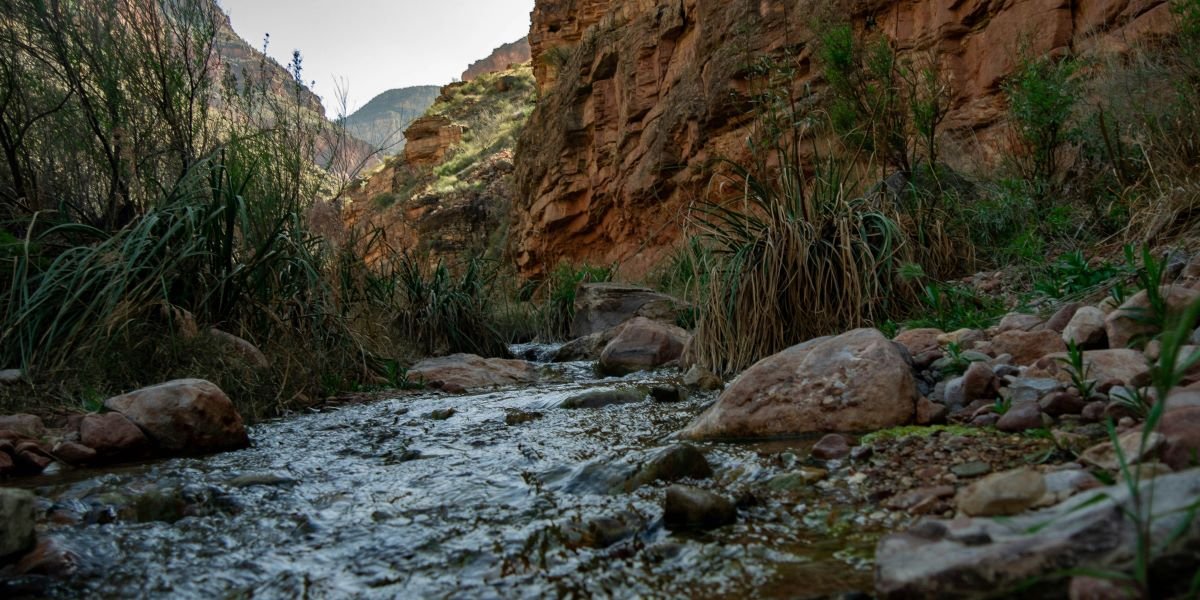
A flash flood tore through the Bright Angel Canyon and Phantom Ranch area at the bottom of Grand Canyon National Park on Saturday afternoon, August 30, killing at least two people, leaving approximately 14 others missing or unaccounted for, and destroying nearly every footbridge along Bright Angel Creek. The National Park Service, in coordination with the Arizona Department of Public Safety, evacuated 62 people by helicopter from Phantom Ranch and the lower North Kaibab Trail by Sunday morning and continued air evacuations through Monday as the National Weather Service issued a flood watch covering all of northern and central Arizona through Monday evening. The flooding also destroyed approximately 40 percent of the Transcanyon Waterline, the park’s only water pipeline, leaving Grand Canyon National Park with limited reserves and forcing emergency water conservation measures that shut down lodging and overnight stays across the inner canyon.
Key Takeaways
- A flash flood struck the Bright Angel Canyon and Phantom Ranch area at approximately 2:30 p.m. local time on Saturday, August 30, killing at least two people and leaving approximately 14 others missing or unaccounted for.
- The body of a 46-year-old man was recovered near Crystal Rapids along the Colorado River on Sunday evening; a second body was recovered Monday morning. Neither name has been released by the National Park Service.
- Nearly all footbridges spanning Bright Angel Creek were destroyed, eliminating hiker access across the creek, and certain Colorado River crossings were closed while damage is assessed.
- Approximately 40 percent of the Transcanyon Waterline, which supplies water from the canyon for use throughout the park, has been destroyed, leaving the park with limited reserves and requiring emergency water conservation measures.
- By Sunday morning, 62 people had been evacuated by helicopter from Phantom Ranch and the lower North Kaibab Trail, with additional evacuations continuing Monday from Phantom Ranch and Cottonwood Campground.
- The National Weather Service elevated the flash flood risk to a Level 3 of 4 threat for Monday, warning that additional rainfall on already saturated ground could produce more debris flows, rockfall, and changing trail and river conditions. Approximately 7 million people across the Southwest were under a flood watch Monday.
Thirty Minutes of Rain Transformed One of the Canyon’s Most Popular Corridors
The flooding began after a 30-minute downpour hit the Bright Angel Creek watershed on Saturday afternoon. Hiker Daniel Evans, who had been planning to rest through the hot day and spend the night near the Bright Angel campground, told the Associated Press that it had rained several times before the final, concentrated burst. Rangers initially told Evans the conditions appeared safe. Then, as the rain intensified, they told him it was time to leave.
Parth Desai, another visitor caught in the flood zone, described scrambling into a patch of cacti as a four-foot wall of debris rushed toward the group near Phantom Ranch. Desai’s group was later evacuated by helicopter. Desai told the AP that the group watched the creek flood, saw waterfalls appear out of nowhere on the canyon walls, and witnessed boulders, mud, and landslides cascading from multiple directions simultaneously. Christopher Dry, an Arizona resident hiking with his son on higher ground, told CNN that a bolt of lightning preceded rain so intense it reduced visibility to zero within minutes, and that clouds formed below their position and rose up out of the canyon.
The violence of the flood was concentrated along Bright Angel Creek, one of the most heavily used corridors in the inner canyon. Bright Angel Campground and Phantom Ranch, the only lodging facility at the bottom of the Grand Canyon, sit adjacent to the creek and the Colorado River at the point where hikers crossing from one rim to the other typically stop for the night. The area is accessible only by foot, mule, or helicopter, which means every person in the flood zone on Saturday was hours from a road and entirely dependent on air evacuation for rescue.
Infrastructure Damage Has Shut Down the Inner Canyon Indefinitely
The flooding produced infrastructure damage on a scale that will take months to repair. Nearly all footbridges spanning Bright Angel Creek were destroyed, eliminating the pedestrian crossings that hikers use to navigate the corridor between the North Kaibab Trail and Phantom Ranch. Without those bridges, foot travel through the inner canyon along the Bright Angel Creek route is effectively impossible.
The more consequential damage is to the Transcanyon Waterline, a pipeline that carries water from Bright Angel Creek to the South Rim and serves as the park’s primary water supply. The National Park Service reported Monday that approximately 40 percent of the waterline has been destroyed. The pipeline failure leaves Grand Canyon National Park operating on limited reserves, and the park has imposed emergency water conservation measures that include shutting down lodging and hotel operations on the rim and canceling or barring all overnight stays in the inner canyon.
The waterline has been a known vulnerability for years. The pipeline runs through some of the most geologically active terrain in the park, and previous breaks have forced water hauling operations and conservation restrictions. A full rebuild of the destroyed sections will require engineering assessments, environmental review, and construction in terrain that is inaccessible to heavy equipment, a process that historically takes months even under favorable conditions.
Certain Colorado River crossings have also been closed while the park assesses structural damage to bridges and access points. The cumulative effect is that the inner canyon, one of the Grand Canyon’s primary visitor draws and the route for rim-to-rim hikers, is closed to public access for an indefinite period.
The Search for 14 Missing Continues With More Rain Expected
As of Monday morning, approximately 14 people remained missing or unaccounted for. The National Park Service issued a public call for information, asking anyone who knows of hikers or backpackers who were in the inner canyon along the Bright Angel Creek corridor on Saturday afternoon, as well as anyone who had a campground reservation at Phantom Ranch or Bright Angel Campground, to contact the NPS Investigative Services Branch.
Among those confirmed dead is a Texas chiropractor who had been chronicling his Grand Canyon trip on Facebook. His sister told reporters that the family last spoke to him Saturday afternoon before the flooding began. The names of both deceased individuals have not been officially released by the National Park Service.
The search effort faces a compounding challenge: the same weather pattern that produced Saturday’s flood is expected to continue through Monday and potentially into midweek. The National Weather Service elevated the flash flood risk across the region to a Level 3 of 4 threat, meaning numerous flash floods are likely. Approximately 7 million people across the Southwest, from southern Arizona to northern Colorado, were under a flood watch on Monday. Radar showed showers stretched across north-central Arizona early Monday, dropping light to moderate rain on portions of the park.
Dr. Chris Davis, a wilderness and rescue medicine expert and associate professor of emergency medicine at Wake Forest University, told CNN that flash flooding in canyon environments takes people by surprise because the rain that triggers the flood can fall miles upstream, arriving at the bottom of the canyon with no warning at ground level. The Bright Angel Creek watershed collects water from a vast area above the inner canyon, and a rainstorm that is invisible to hikers at the creek level can generate a wall of water that arrives minutes later.
Monsoon Season Makes the Grand Canyon’s Inner Canyon Among the Riskiest Hiking Environments in the Country
The August 30 flood is the latest in a pattern of monsoon-season flash flood events that have struck the Grand Canyon in recent years. In August 2024, a flash flood at Havasu Creek killed 33-year-old Chenoa Nickerson of Gilbert, Arizona, who was swept into the Colorado River, and stranded more than 100 tourists and tribal members who required evacuation from the Havasupai Reservation. In July 2025, the Dragon Bravo wildfire, ignited by lightning, burned through portions of the canyon, creating fire scars that reduce the ground’s ability to absorb rainfall and accelerate runoff during subsequent storms. Rain fell on part of the Dragon Bravo burn area during this weekend’s event.
Arizona’s monsoon season runs from June through September, and the Grand Canyon’s geology makes it particularly vulnerable. The canyon’s narrow side drainages funnel water from large catchment areas into concentrated channels that can go from dry to impassable in minutes. Bright Angel Creek, which is normally a clear, wadeable stream that hikers cross on footbridges, became a torrent carrying boulders, logs, and debris on Saturday. The speed of the transition, from clear skies to zero visibility to a four-foot wall of debris, leaves hikers with almost no reaction time.
The National Park Service has long warned visitors about flash flood risk during monsoon season, but the warnings compete with the reality that late summer is one of the most popular periods for rim-to-rim crossings and inner canyon backpacking trips. Phantom Ranch, which requires reservations that are booked months or years in advance, operates through the monsoon season, and the inner canyon trails remain open to permitted hikers even when flash flood watches are active. The infrastructure destroyed this weekend, the footbridges, the waterline, the campground facilities, will need to be rebuilt before the inner canyon can reopen to the volume of visitors it typically handles.
The Arizona Department of Emergency and Military Affairs is coordinating with the National Park Service and Coconino County emergency management officials on the ongoing search and recovery effort. The next retail sales report from the Census Bureau and the next National Park Service update on the search status are both expected within the coming days. For now, the Grand Canyon’s inner canyon remains closed, its primary water supply is inoperable, and the search for 14 missing people continues under the threat of more rain.
FAQs
What happened at the Grand Canyon on August 30?
A flash flood struck the Bright Angel Canyon and Phantom Ranch area at approximately 2:30 p.m. local time on Saturday, August 30, after a concentrated 30-minute downpour. The flooding killed at least two people, left approximately 14 missing or unaccounted for, destroyed nearly all footbridges along Bright Angel Creek, and damaged 40 percent of the park’s primary water pipeline.
How many people have been evacuated from the Grand Canyon flood?
By Sunday morning, 62 people had been evacuated by helicopter from Phantom Ranch and the lower North Kaibab Trail. Additional evacuations from Phantom Ranch and Cottonwood Campground continued through Monday, with the Arizona Department of Public Safety assisting the National Park Service.
Is the Grand Canyon open after the flood?
The inner canyon is effectively closed. All overnight stays have been canceled or barred, lodging on the rim has been shut down due to water conservation restrictions, and certain Colorado River crossings are closed. The destruction of footbridges along Bright Angel Creek and 40 percent of the Transcanyon Waterline means the inner canyon will remain inaccessible for an indefinite period.
Is more flooding expected at the Grand Canyon?
The National Weather Service issued a flood watch for all of northern and central Arizona through Monday evening and elevated the flash flood risk to a Level 3 of 4 threat. Approximately 7 million people across the Southwest were under a flood watch Monday. Additional rainfall on already saturated ground could produce more debris flows, rockfall, and flash flooding.
How can people report information about missing hikers?
The National Park Service is asking anyone who knows of hikers or backpackers who were in the inner canyon along the Bright Angel Creek corridor on Saturday, August 30, or who had campground reservations at Phantom Ranch or Bright Angel Campground, to contact the NPS Investigative Services Branch.