U.S. Transportation Secretary Sean P. Duffy announced on Monday, May 18, 2026, that the Federal Aviation Administration (FAA) has invested $970 million in American airports to make terminals more accommodating for families traveling with young children. The funding represents one of several aviation-focused moves the Department of Transportation has rolled out over the past week as the country prepares for an influx of international visitors tied to the FIFA World Cup, which begins June 11 in venues across the United States, Canada, and Mexico.
The grants flow through the Infrastructure Investment and Jobs Act’s Airport Terminal Program (ATP) and will reach airports in 45 states across 133 individual awards, according to the DOT announcement.
Where the Money Is Going
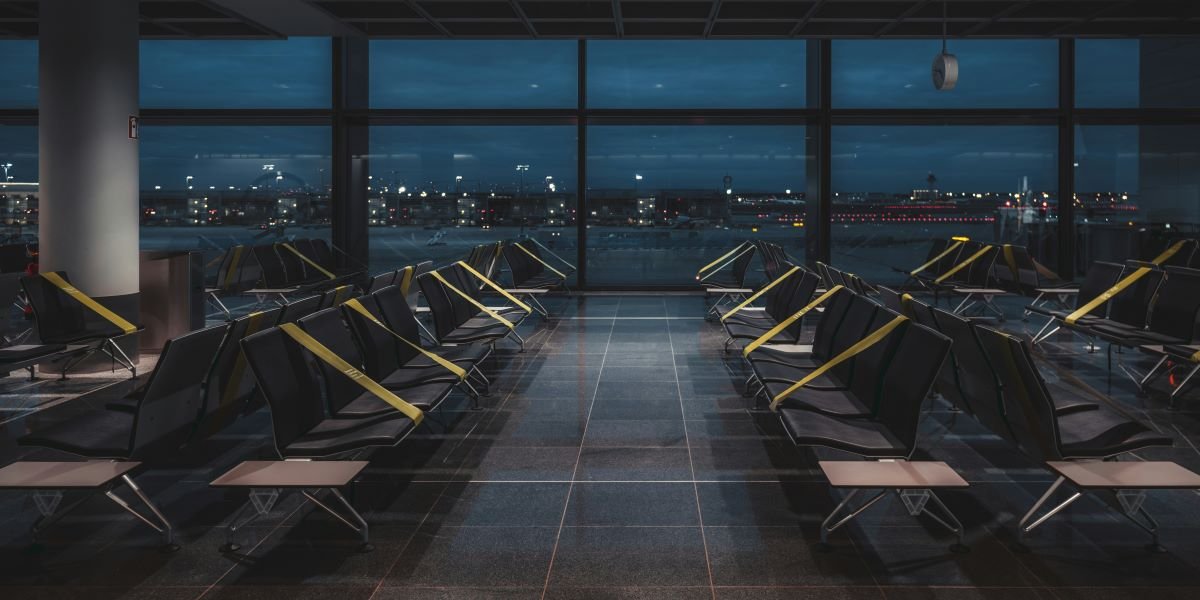
The funded projects center on physical upgrades to airport terminals, with an emphasis on spaces designed for parents, infants, and children. Categories include children’s play areas, mothers’ rooms and nursing pods, family-only security screening lanes, sensory rooms for children with special needs, and modernized family restrooms.
Specific allocations highlighted by the DOT include $8 million to Dallas-Fort Worth International Airport to modernize five restrooms with family-friendly features, $2.8 million to Boston’s Logan International to renovate four “Kidports” play areas with new structures and themes, and $2 million to Tupelo Regional Airport in Mississippi to expand its terminal and add a family-friendly security screening lane.
“This administration is focused on making travel happier and more convenient for American families. The Golden Age of Travel includes a Family First agenda,” Duffy said in the announcement, adding that the department wants airports to function as “inviting spaces for parents and children to relax and recharge prior to boarding.”
FAA Administrator Bryan Bedford said the agency is “moving quickly to get these investments out the door and into airports nationwide.”
Origins of the Funding Push
The grant awards finalize a campaign Duffy launched in December 2025 called “Make Travel Family Friendly Again,” which set aside $1 billion in funding and invited airports to submit project applications by January 15, 2026. That campaign was unveiled jointly with Health and Human Services Secretary Robert F. Kennedy Jr., who emphasized parallel efforts to bring healthier food options into airport concessions.
The ATP, which provides $1 billion annually for terminal modernization and air traffic control facility improvements, is in its fourth year. Critics of the spring rollout have argued the family-friendly focus does not address what they describe as the larger problem in American aviation: chronic staffing shortages in air traffic control and recurring delays at major hubs.
A Broader Week of Aviation Announcements
The family-friendly grants land at the tail end of a week dense with FAA and DOT activity. On Friday, May 15, the department announced $835.8 million in separate spending on air traffic infrastructure. The bulk of that, more than $750 million, will replace eight aging air traffic control towers and Terminal Radar Approach Controls (TRACONs) with new facilities. Another $85.8 million will fund upgrades to Federal Contract Towers at 41 airports across 24 states.
That announcement followed the May 15 release of the FAA’s 2026-2028 Air Traffic Controller Workforce Plan, which sets a full staffing target of 12,563 Certified Professional Controllers. The agency currently fields roughly 11,000 fully certified controllers across more than 300 facilities, with another 4,000 in the training pipeline. The plan calls for hiring 2,200 new controllers in fiscal year 2026, 2,300 in FY 2027, and 2,400 in FY 2028, a multi-year ramp that, according to FAA documents, would bring total hiring to 8,900 controllers through 2028. The FAA reports it is already 60 percent toward meeting this year’s hiring goal.
The workforce plan acknowledges that controller training can take more than two years to complete depending on facility complexity. It also flags the strain that excessive overtime placed on controllers during fiscal years 2023 through 2025, describing those levels as exceeding “any reasonable use of mandatory overtime.”
Earlier May Actions
Two additional FAA moves rounded out the week. On May 13, the agency took regulatory action described as improving airport safety, and on May 12, the FAA announced completion of Phase One of an overhaul of the federal Pilot Alert System, finishing that stage more than a year ahead of its original schedule.
The cluster of announcements arrives less than four weeks before the FIFA World Cup brings an extended surge of international travelers to U.S. airports. Major hubs that have experienced recurring ground delays in recent months, including San Francisco International (SFO), Chicago O’Hare (ORD), and Las Vegas’s Harry Reid International (LAS), stand among the facilities expected to absorb heavy World Cup-related traffic.
Whether the family-friendly capital projects will be visible to travelers in time for the tournament will depend on each airport’s construction timeline. Larger renovations such as the Logan Kidports rebuild and DFW restroom modernization typically take months to complete after grants are formally awarded.