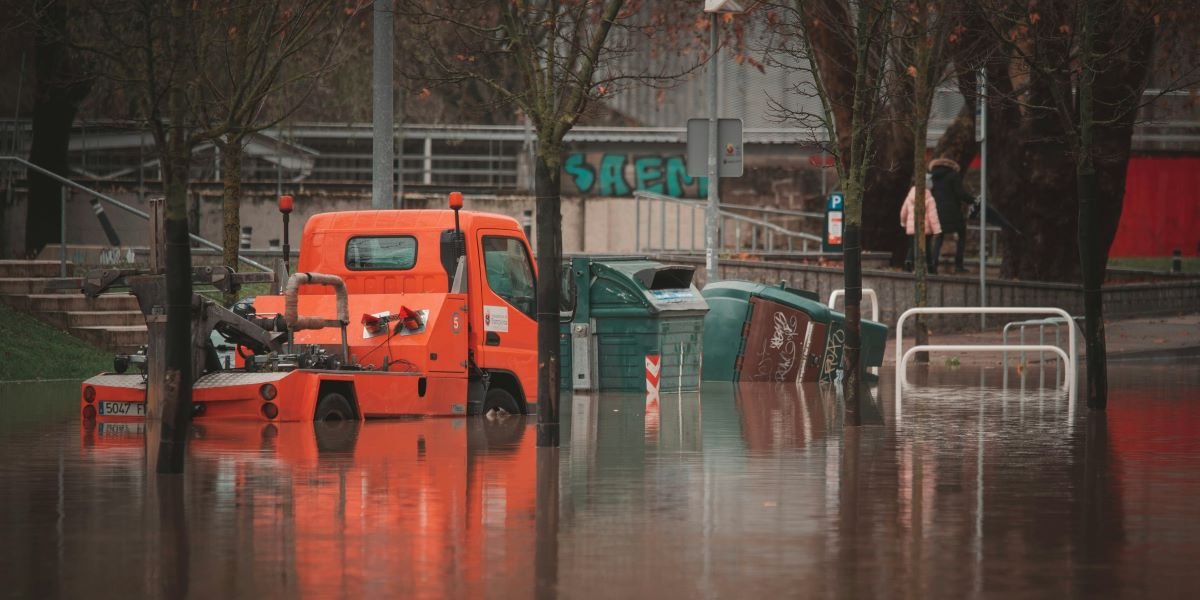
Baton Rouge sits in the heart of a humid subtropical climate that shapes daily life and quietly tests every residential roof in the area. With relative humidity often remaining high throughout the year, and frequent heavy rainfall, combined with the constant threat of tropical storms and hurricanes, roofs here face more moisture-related stress than in drier regions. This combination of heat, downpours, and persistent dampness accelerates wear on roofing materials, making timely attention essential for protecting your home.
Understanding how Baton Rouge’s weather interacts with your roof can help you spot problems early and decide when it makes sense to call a qualified Baton Rouge roofer homeowners trust. Below, we explore the specific challenges, warning signs, and practical steps homeowners should know.
Baton Rouge’s Climate: A Constant Challenge for Roofs
The city’s location near the Gulf means warm, moisture-laden air dominates for much of the year. Summers bring average highs near 91°F with dew points that make the air feel oppressive, while even milder seasons rarely dip below 70% humidity. Annual precipitation often exceeds 60 inches, with intense downpours becoming more common.
This environment keeps roofing surfaces and underlayers damp far longer than in arid climates. Moisture doesn’t evaporate quickly, creating ideal conditions for biological growth and material breakdown. Over time, repeated exposure shortens the functional life of even well-installed roofs and increases the likelihood of hidden damage inside the attic or along the decking.
How High Humidity and Moisture Damage Residential Roofs
Humidity affects every layer of a typical asphalt shingle roof, the most common choice in Louisiana:
- Algae, moss, and mildew: Dark streaks (often called “black algae”) thrive in shaded or north-facing areas. These organisms hold onto water, slowly breaking down protective granules and exposing the shingle base to further UV and moisture damage.
- Shingle distortion: Constant dampness causes edges to curl or warp. Granules loosen and wash into gutters, leaving the fiberglass mat vulnerable.
- Deck and underlayment issues: Trapped moisture leads to wood rot, softened sheathing, and condensation on the underside of the roof deck, especially when attic ventilation is inadequate.
- Flashing and penetration failures: Around chimneys, vents, and valleys, repeated wetting and drying cycles loosen seals, allowing water to enter the home’s interior.
Left unaddressed, these issues compound during storm season when wind-driven rain tests every weak point.
Clear Warning Signs Your Roof Needs Attention
Homeowners should inspect (or have inspected) their roof at least twice a year, once in spring and again after hurricane season. Look for these common indicators that repair may be necessary:
- Water stains or discoloration on ceilings and upper walls
- Musty odors or visible mold in the attic
- Missing, cracked, or curling shingles
- Excessive granule loss in gutters after rain
- Sagging areas on the roofline or ceiling
- Dark streaks or patches of moss/algae, especially on shaded slopes
- Higher-than-normal energy bills (poor attic ventilation forces HVAC systems to work harder)
If you notice any of these, prompt action prevents small problems from becoming structural headaches.
Proactive Maintenance Steps for Humid Conditions
While no roof is immune to South Louisiana weather, consistent care extends its lifespan:
- Keep gutters and downspouts clear of debris so water flows away from the foundation.
- Trim overhanging tree branches to reduce shade and leaf buildup that trap moisture.
- Ensure attic ventilation is balanced (soffit intake + ridge exhaust) to expel humid air before it condenses.
- Schedule professional inspections after major storms, even minor wind or hail can dislodge shingles.
- Consider algae-resistant shingles or roof coatings designed for high-humidity zones during future work.
These habits help roofs shed water efficiently and resist the biological growth that humidity encourages.
When It’s Time for Professional Residential Roof Repair in Baton Rouge
Not every issue requires a full replacement. Many problems, isolated leaks, damaged flashing, or a few missing shingles, can be fixed effectively with targeted repairs, saving homeowners significant expense and disruption. Experienced local teams know exactly how Baton Rouge’s climate accelerates certain failures and use techniques tailored to our conditions, such as reinforced sealing and wind-resistant fastening.
If you’re seeing multiple warning signs or dealing with repeated leaks after storms, seeking residential roof repair in Baton Rouge from qualified professionals is often the smartest first step. Early intervention can restore protection and avoid the need for more extensive work later.
Considering Repair Versus Full Replacement
Sometimes repair is enough, but extensive damage or an aging roof (typically 15–25 years for asphalt shingles in our climate) may point toward replacement. Factors such as the extent of deck rot, the number of previous layers, and the overall condition guide this decision.
To understand the financial implications, it helps to explore the average cost of a new roof in Louisiana in 2026. Typical residential replacements range from $5,000 to $12,000, depending on size, materials, and complexity, valuable information when weighing options.
Protecting Your Home in Louisiana’s Climate
Baton Rouge’s humid environment demands respect and vigilance when it comes to your roof. By recognizing the effects of constant moisture, watching for early warning signs, and staying on top of maintenance, homeowners can avoid costly surprises and keep their property safe and comfortable year-round.
If your roof is showing any of the signs discussed here, don’t wait for the next heavy rain to take action. Addressing issues promptly with the right expertise preserves your home’s integrity and gives you peace of mind through every Louisiana season.