By: Kate Sarmiento
When people talk about representation, they usually point to the big stuff. Movies. Boardrooms. Political firsts. Those moments matter, sure. But long before anyone ends up in a headline, identity is shaped somewhere much quieter.
It is shaped in places people barely think about. One of those places is the clothing aisle.
What shows up there feels ordinary, but it carries weight. Clothes quietly tell people what is “for them,” what is expected, and what fits. Those messages sink in early and stick around longer than most people realize.
That everyday influence is exactly where Svaha USA has built its mission.
Based in the Washington DC metro area, Svaha creates size-inclusive, organic cotton clothing designed around comfort, function, and curiosity. Their designs celebrate science, art, and imagination without turning those interests into a joke or a statement piece you only wear once. It is clothing meant to be lived in, not explained.
And that matters more than it sounds.
Why We Talk About Big Wins and Miss the Signals Right in Front of Us
Representation is often measured by milestones. The first. The breakthrough. The moment that feels historic. Those wins matter, but they usually arrive after years of quiet conditioning that happens long before anyone notices.
Daily environments repeat the same messages over and over. They do not announce themselves. They simply exist. When those spaces consistently leave people out, limits start forming without a single rule ever being stated. Psychologists have pointed out how repeated exposure shapes belief early on, when ideas about identity are still flexible (Source: Frontiers, 2021). What feels familiar begins to feel correct. What is missing slowly starts to feel like it never belonged.
The clothing aisle is one of the earliest and most influential places where this happens.
Clothing is often the first place people learn what is meant for them. Colors, patterns, themes, and sizing all send signals. Some interests are everywhere. Others are nowhere. Over time, that absence speaks just as loudly as presence.
Kids pick up on this quickly. When certain themes only appear in one section of the store, they learn which interests are encouraged and which ones quietly get sidelined. Adults feel it too. Limited sizing reveals who was considered. Missing functional details, like dresses with pockets, hint at whose lives were prioritized. None of this needs to be explained out loud to be understood.
Clothing does not just reflect culture. It helps train it, one ordinary shopping experience at a time.
How Representation Builds Confidence When It Feels Normal
Confidence rarely disappears in a single moment. It fades gradually, shaped by what people see around them every day.
When people consistently see themselves reflected in everyday spaces, curiosity feels safe. Interests feel worth exploring. When that reflection is missing, those same interests do not usually get rejected outright. They simply start to shrink. Not because they are wrong, but because they stop feeling supported.
People are more likely to stick with interests they see reflected around them early on. When those interests are missing, the message is quiet but clear: this might not be for you (Source: Harvard, 2023). That kind of signal does not shut doors all at once. It just makes people hesitate. Over time, it affects how comfortable someone feels sharing what they love, taking up space, or trying something that once felt exciting.
That is why representation works ideall when it feels natural and familiar. When inclusion is part of everyday life rather than framed as a moment or a message, it sticks. Clothing that reflects a wide range of interests without explanation lets people feel seen without being put on display.
That sense of ease matters. It lowers self-consciousness and makes people more willing to engage, simply because they are not busy wondering whether they belong (Source: Psychology Today, 2021). It allows people to move through the world without needing to justify who they are.
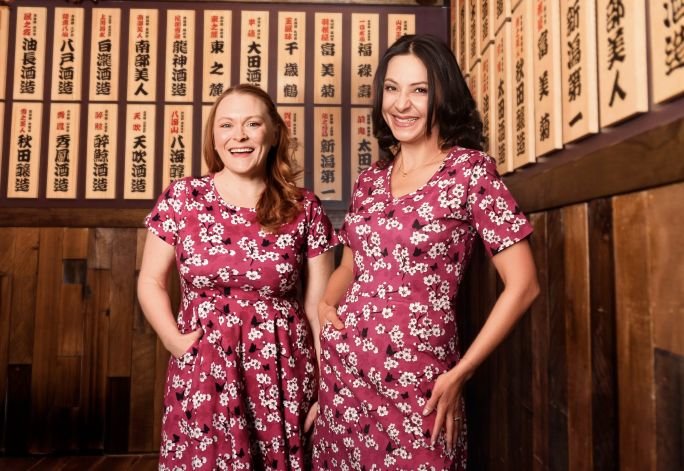
Svaha’s designs operate in this space. Science prints, dragons, dice, and constellations sit alongside thoughtful tailoring and soft, breathable organic cotton. The pieces are expressive but still easy to wear. Fun, without feeling like a costume.
The message stays simple and steady. You are likely to belong here.
And when that sense of belonging shows up again and again in everyday life, it begins to shape belief in a way big moments rarely can.
Clothing is worn repeatedly. It becomes part of routine, comfort, and habit. Those repeated experiences quietly build belonging because they blend into daily life rather than demanding attention.
That impact grows even stronger when families are involved. Matching family clothing allows parents and kids to share values without forcing sameness. Getting dressed becomes something shared, not corrective.
This kind of representation shows up everywhere. School drop-offs. Work meetings. Weekend errands. No explanations required.
That is because belonging is not created by slogans. It is built through design decisions. Inclusive sizing signals who was considered from the beginning. Tagless, sensory-friendly construction shows care beyond appearance. Practical details like pockets and breathable organic cotton reflect real lives, not idealized ones.
When people do not have to adjust themselves to fit what is available, belonging stops feeling aspirational and starts feeling automatic. Thoughtful design has been shown to strengthen trust and emotional connection over time (Source: National Library of Medicine, 2023).
Svaha builds this directly into the fabric. Their pieces are made to be worn often, washed easily, and kept for years. Representation is not treated as a trend. It is treated as a baseline.
Where This Idea Started and Why It Matters
Svaha began with a moment many parents recognize.

Founder Jaya Iyer went shopping for her daughter, who loved space and dreamed of becoming an astronaut. What she found instead was a wall of limitations. Those themes simply were not available to her. With a background in fashion merchandising, manufacturing, and apparel buying, Jaya recognized the issue immediately. This was not a one-off oversight. It was a pattern baked into the system.
Svaha launched to challenge those defaults. What began with kids’ clothing quickly expanded when women asked for the same freedom. They wanted clothes that reflected intelligence and curiosity without giving up comfort or style. The response made one thing clear. Representation was not niche. It was necessary.
Clothing may seem small, but it is deeply personal. When representation becomes part of everyday life, it reshapes confidence quietly and permanently. People stop wondering if they belong and start assuming they do. That shift influences how people show up, what they pursue, and how freely they express themselves.
Cultural change does not always start with visibility. Sometimes it starts with comfort. And sometimes, it starts with what someone pulls out of their closet.
Start Where Belonging Actually Lives
Representation does not have to be loud to be powerful. It just has to be consistent and real.
Svaha USA shows what happens when inclusion is treated as a design principle, not a campaign. Dresses with pockets, organic cotton comfort, plus-size clothing, and matching family clothing all work together to make belonging feel easy.
Explore the collections and see what it feels like when clothing meets people where they are, without asking them to change. Because sometimes, the most meaningful representation shows up in the places we least expect it.