When people talk about keeping their home safe with a dog, the terms “guard dog” and “protection dog” often come up. Many think they’re the same, but there’s a significant difference between a guard dog vs protection dog that can make all the world of difference in real-life security.
What Is a Guard Dog?
A guard dog mainly watches over property, like your yard, driveway, or warehouse. These dogs rely on their natural instincts to bark loudly at strangers or anything unusual, acting as an alarm system to deter potential trouble. Breeds like German Shepherds, Rottweilers, or Boxers often fit this role because they’re territorial and quick to sound the alert.
Guard dogs don’t need much formal training beyond basic obedience. Their job is deterrence through noise and presence – a deep growl or fierce bark is usually enough to send intruders running. They’re independent thinkers, patrolling their space on their own without waiting for commands from you.
This setup works great for large properties or businesses where you want round-the-clock vigilance without constant human input. However, guard dogs can be unpredictable around guests or kids if not socialized well, since their focus is on the territory, not people.
What Is a Protection Dog?
A protection dog, on the other hand, is all about personal safety – protecting you, your family, or specific individuals from direct threats. These dogs are highly trained professionals, responding only to real dangers with controlled actions like biting, blocking, or retreating on command.
Unlike guard dogs, protection dogs live as family members, blending seamlessly into daily life. They’re friendly with everyone until a threat appears, then they switch modes instantly. This level of discernment comes from specialized training that includes bite work, threat assessment, and obedience under stress.
Popular breeds for protection include Belgian Malinois, Dutch Shepherds, and certain lines of German Shepherds bred for sport and work. They’re calm in public, great with children, and always “on” when needed, making them ideal for urban homes or high-risk lifestyles.
Guard Dog vs Protection Dog: Key Differences
Let’s break down the main contrasts in a clear way. Understanding guard dog vs protection dog starts with their core purpose and how they’re built for the job.

Guard dogs shine in open spaces where intimidation rules. Protection dogs excel in close quarters, where precision keeps everyone safe.
These differences aren’t just theoretical. A guard dog might bark at the mailman every day, wearing out its welcome. A protection dog waits for your cue or spots real danger, like someone forcing entry.
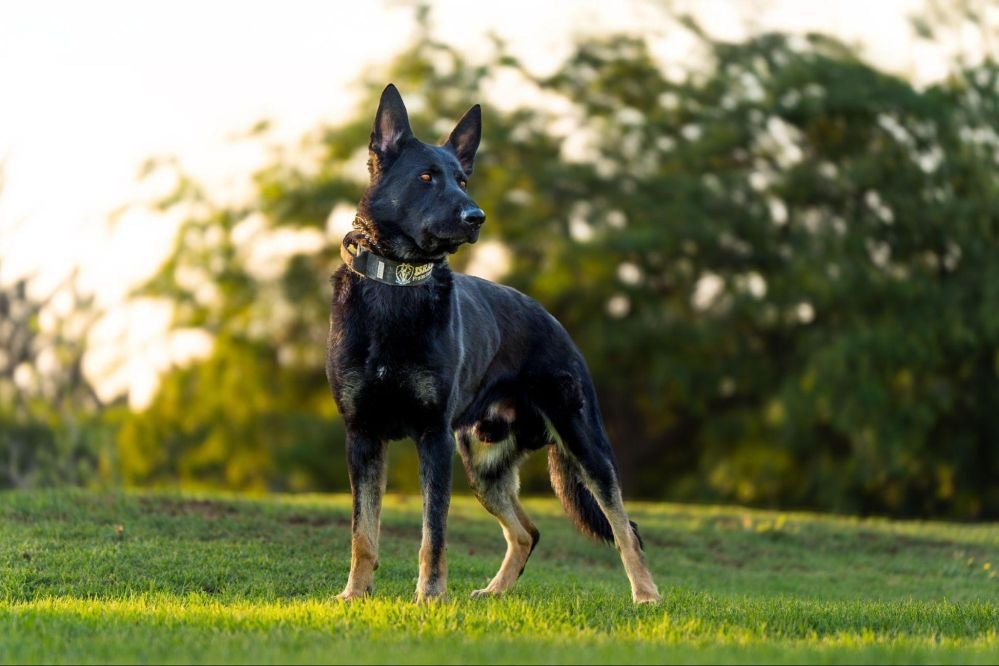
Training: How Each Type Is Prepared
Training separates guard dogs from protection dogs more than anything else. Guard dogs get simple exposure to their environment – walk the property, bark at noises, maybe some fence-running drills. It’s instinct-driven, often starting young with minimal professional input.
Protection dog training is a whole different ballgame. It begins with puppy selection for stable nerves, then builds through months of socialization, obedience, and protection phases. They learn to ignore distractions, protect on “attack” commands, and release harmlessly.
Picture this: During training, a decoy in a bite sleeve simulates a threat. The protection dog charges, bites firmly, and holds until you say “out.” Guard dogs don’t get this nuanced work; they’d react to any movement.
This pro training costs more but may pay off in reliability. Protection dogs pass temperament tests like the IPO or Schutzhund standards, proving they’re safe and effective.
Pros and Cons of Guard Dogs
Guard dogs offer straightforward security with some real upsides.
Pros:
- Affordable and easy to source – many breeds guard naturally.
- Low daily involvement; they work solo.
- Strong deterrent for casual trespassers via bark alone.
- Great for rural or commercial properties.
Cons:
- Less control – they might bite the wrong person.
- Can be aggressive toward strangers, including friends.
- Not ideal for apartments or kid-heavy homes.
- Limited stopping power against armed threats.
If your biggest worry is opportunistic thieves, a guard dog could fit the bill without breaking the bank.
Pros and Cons of Protection Dogs
Protection dogs bring elite-level security tailored to your life.
Pros:
- Discriminating protection – only engages true dangers.
- Family-friendly, often better with kids than average pets.
- Portable security for travel or urban living.
- High stopping power with trained physical response.
Cons:
- Higher upfront cost due to expert training.
- Requires ongoing maintenance training.
- Not every home needs this level of commitment.
- Breed restrictions in some areas.
For families facing real risks, like stalking or high-profile jobs, the investment in a protection dog can be priceless.
Common Breeds for Each Role
Breeds matter in the guard dog vs protection dog debate. Some overlap, but selection and training dictate the role.
Guard Dog Breeds:
- Rottweiler: Massive bark, loves patrolling.
- Bullmastiff: Quiet but imposing stalker.
- Doberman: Speedy and vocal property watcher.
Protection Dog Breeds:
- Belgian Malinois: Agile, intense drive.
- German Shepherd (working lines): Versatile all-rounder.
- Cane Corso: Powerful with family loyalty.
Many protection dogs come from European bloodlines bred for police or sport, ensuring top genetics.
Real-Life Scenarios: Which Dog Wins?
Imagine a late-night knock. A guard dog barks wildly, alerting you but maybe chasing the visitor off your porch. Effective for deterrence, sure.
Now, an intruder breaks a window. The protection dog stays by your side, assesses, and engages only if ordered or if you’re threatened – neutralizing without chaos.
In apartments, guard dogs’ noise can lead to complaints. Protection dogs stay quiet until needed, perfect for discreet living.
Business owners love guard dogs for yards. Families prefer protection dogs for personal peace of mind.
Legal Considerations in the USA
Owning a guard dog or protection dog in the USA means knowing local laws. Most states allow them, but breeds like Pit Bulls face bans in places like Miami-Dade.
Liability is key – if your dog bites someone, you’re responsible. Protection dogs’ training proves they’re not vicious, helping in court via certifications.
Always check homeowner insurance; some exclude “attack” dogs. Leash laws apply everywhere – no free-roaming guards.
Health and Care Needs
Both types need solid care, but protection dogs demand more.
Guard dogs thrive on kibble, exercise, and vet checkups. They’re hardy workers.
Protection dogs get premium nutrition for peak performance, plus mental stimulation like puzzle toys. Joint supplements help high-drive breeds age well.
Grooming is straightforward – weekly brushes, nail trims. Early spay/neuter decisions depend on your goals.
Costs: What to Expect
Guard dogs run $500-$2,000 to buy, plus $1,000 yearly for food and care.
Protection dogs start at $20,000-$50,000+ from reputable trainers, reflecting 1,000+ training hours. Annual upkeep hits $2,000-$5,000.
For some families, the investment in a protection dog could be well worth the added sense of safety.
Family Integration Tips
Introduce either dog slowly. Guard dogs need boundaries to avoid overprotecting kids.
Protection dogs bond fast – involve the family in training for loyalty.
Daily walks build trust. Never leave unsupervised at first.
Choosing the Right Fit for You
Most folks don’t need a guard dog vs protection dog extreme. Start with your risks: Property crime? Go guard. Personal threats? Choose protection.
Test meets with trainers. Puppies can grow into roles, but adults save time.
Why Israel Protection K9 Stands Out
At Israel Protection K9, we specialize in world-class protection dogs for sale in the USA, imported from elite European lines and trained to the highest standards. Our dogs aren’t just guardians – they’re loyal family members ready to protect what matters most.
Ready to find your perfect protection dog? Visit israelprotectionk9.com today to browse available dogs, schedule a consultation, or learn how we deliver nationwide. Your safety starts with one call – let’s help keep your world secure.