By: Cassandra Mon
In cafeterias across the United States, children often eat meals that fall short of nutritional guidelines, relying heavily on ultra-processed foods both at school and at home. Overall, a significant portion of kids’ calories comes from ultra-processed products, items designed more for convenience, shelf life, and taste than for nutrition. At the same time, many children rely on school meals for a substantial part of their daily calories, giving public schools a considerable influence over the future health of an entire generation.
Within this stark landscape, Eat Real, a nonprofit focused on transforming school food, has invited nutrition and technology entrepreneur Laura Paulus to join its board of directors. The appointment signals a strategic attempt to change what children eat during the school day and, in turn, shape long-term health outcomes.
A System Hiding in Plain Sight
Public schools collectively serve more meals each year than the top three fast-food chains combined, Subway, Starbucks, and McDonald’s, effectively making the school system the largest “restaurant” network in America, with about 90,000 locations. For many children, especially those in underserved communities, the school cafeteria is their most consistent source of nourishment. That reality makes school food a powerful determinant of health and increasingly turns it into a frontline in the fight against diet-related disease. Within this network of cafeterias and lunch lines, decisions about menus, purchasing, and preparation influence what millions of children consume day after day.
Eat Real treats this system as a vast, underleveraged infrastructure that can deliver real, minimally processed food instead of a steady stream of packaged items. Its K–12 certification program works directly with school food leaders to emphasize real, nourishing food, prioritize local and sustainable sourcing, and offer meals that are culturally relevant to the students they serve. In a single school year, the organization reports a significant expansion of its reach, signaling growing demand and the potential to scale change. Through this work, the nonprofit aims to demonstrate that better food in schools is logistically feasible and financially viable, rather than a distant ideal.
The stakes remain concrete and measurable. Research from nutrition scientists shows that ultra-processed foods now account for a larger share of total caloric intake among U.S. children and adolescents than in previous years. These products often contain higher levels of added sugars and sodium, fewer essential nutrients like fiber and protein, and additives that can make them highly palatable and even addictive, factors that contribute to rising rates of obesity and prediabetes. As the organization expands, it positions school meals as a “great unlock” to improve children’s health for families across the income spectrum. Through this lens, the cafeteria becomes a public health tool that reaches far beyond any single household.
A Board Appointment With Strategic Stakes
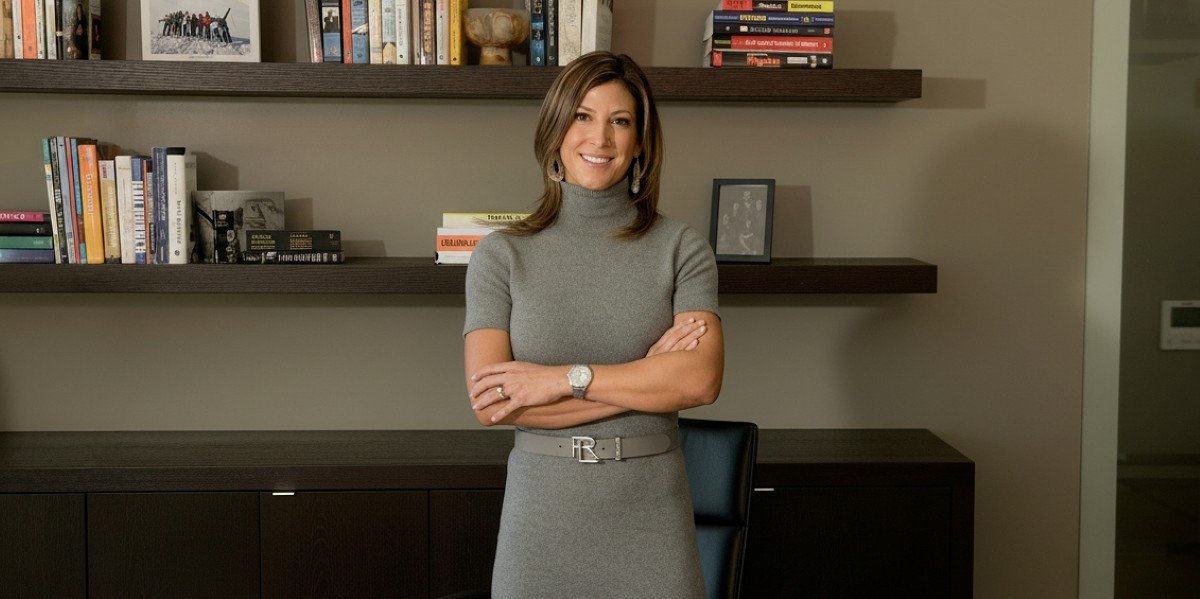
Into this complex mix steps Laura Paulus, whose appointment to Eat Real’s board reflects a deliberate effort to merge nutrition expertise with entrepreneurial execution. Paulus studied nutrition at Stanford, a background that equips her to help shape evidence-based curricula and educational tools that schools can integrate. That foundation, combined with an entrepreneurial technology career, positions Paulus to consider how to make the organization’s model more scalable and data-driven. The blend of academic training and start-up experience gives Paulus a vantage point that spans both research and real-world implementation.
Paulus also brings on-the-ground experience from its work with initiatives such as Food Detectives, which focus on distributing healthier products through schools and treat them as “the more important place kids learn” about what real food looks and tastes like. This work meets children where they already are and embeds nutrition education into daily life rather than isolating it as an extracurricular lesson. Through these efforts, Paulus has seen firsthand how children respond when healthier options become the norm rather than the exception at lunchtime.
For Eat Real, Paulus’s arrival is both symbolic and tactical. Chief executive officer Nora LaTorre framed the move in direct terms, stating, “We’re thrilled to welcome Laura to Eat Real’s Board of Directors. Her leadership, commitment to children’s health, and belief in the power of real food will help us deepen our impact and accelerate change for school communities nationwide.” The language reflects a broader strategy to move beyond pilot projects and incremental reforms toward systemic shifts in how school districts procure, prepare, and serve food. Through this board role, Paulus will help guide decisions about priorities, partnerships, and growth.
The organization’s model depends on what it calls “local heroes” in school districts, including food service directors, students, and parents who are willing to champion change from within. By certifying districts that meet higher standards, the nonprofit creates a framework that leaders can measure, improve, and replicate, while giving local advocates recognition and leverage. Paulus’s technology background may help modernize and streamline this certification process, making it easier for more districts to participate and for results to be tracked in real time. With better tools, the organization can match its ambitions with clear evidence of what works.
Healthy School Meals as Health Equity Policy
Behind the statistics lies a larger argument that healthy school meals shape health equity in the United States. When 30 million children depend on school meals for a substantial share of their daily calories, the nutritional quality of those meals effectively serves as public health policy. Decisions about what ends up on cafeteria trays influence future rates of chronic disease, academic performance, and even mental health. In this sense, the lunch line becomes as important as the exam room for children’s long-term well-being.
Prominent medical voices have begun to echo this urgency. Physician and author Dr. Mark Hyman has described Eat Real as “an incredible nonprofit that’s helping increase real food access – they focus on schools and so much more. Supporting them now is more critical than ever.” Harvard psychiatrist and researcher Dr. Christopher Palmer, known for connecting metabolic health to brain function, has argued that “We need to rapidly scale solutions like Eat Real so America’s food system nourishes the minds of our kids.” Their endorsements underscore a growing consensus that school food directly affects cognitive development, mental health, and long-term disease risk. The cafeteria, in this view, becomes as much a place of brain care as of calorie distribution.
Paulus’s appointment unfolds within this charged context. The decision reflects an understanding that transforming what children eat at school requires more than good intentions. The task demands rigorous nutrition science, thoughtful technology, and a willingness to confront the entrenched economics of processed food. Ultra-processed products continue to dominate children’s diets, and school cafeterias sit at the center of that pattern. The question now is whether institutions like Eat Real, fortified by leaders like Laura Paulus, can move quickly enough to rewrite the menu for the next generation and, in doing so, reshape the country’s health trajectory.