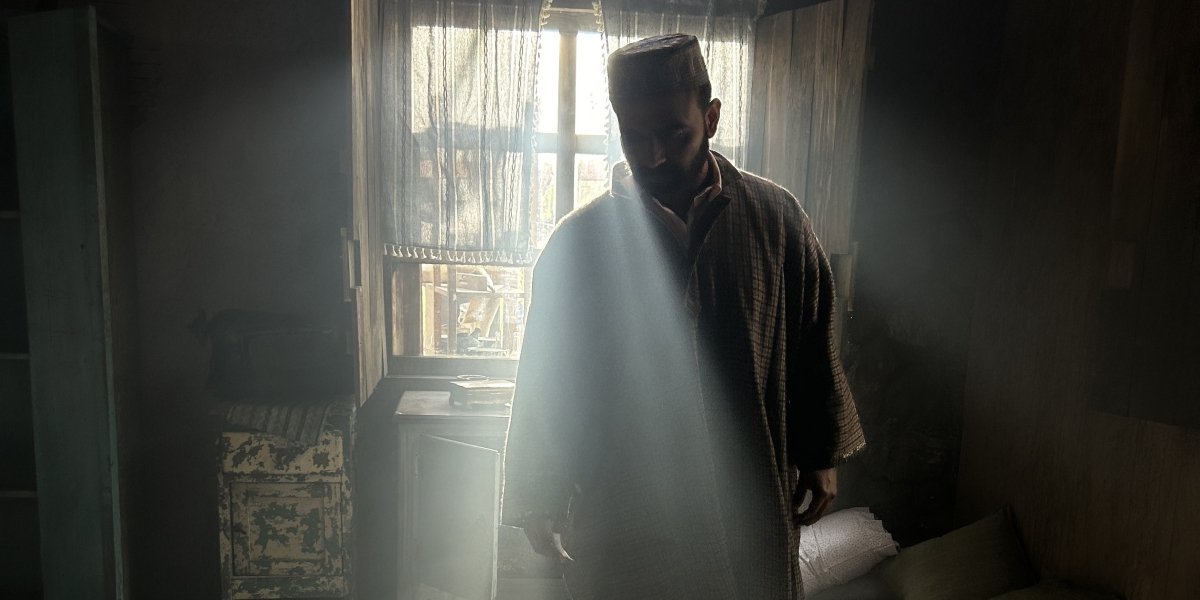
Redefining Representation in Film and Theater
Wasim Azeez is quietly shaping a new narrative in the world of film and theater, where South Asian lives are no longer relegated to stereotypes but instead portrayed with depth, nuance, and authenticity. His recent work on diaspora-centered projects reflects a broader shift in American storytelling, in which immigrant communities are taking center stage, often in roles that go beyond traditional confines of representation.
Through his performances in films like Billo Rani, The Apple Picker’s Son, and Debt I Owe, Wasim Azeez is not just performing in roles; he is helping redefine how these stories are told on screen and stage. Some of these films, which have been showcased at Oscar and BAFTA-qualifying festivals including the Tasveer International Film Festival, HollyShorts, and Dance with Films Festival, represent a turning point in how the media landscape reflects the complexities of these communities.
Moving Beyond Stereotypes in Representation

Historically, South Asian and Muslim characters in American media were often pigeonholed into one-dimensional roles that reinforced stereotypes. Wasim Azeez’s work is breaking these boundaries by telling stories that explore the rich, lived-in experiences of these communities. His characters grapple with the challenges of belonging, identity, and cultural contradiction, issues that resonate with people across racial and ethnic backgrounds.
In Billo Rani, Azeez plays an immigrant father navigating the delicate balance of helping his pre-teen daughter adapt to American culture while guiding her through the vulnerabilities of adolescence. The film tenderly explores identity, belonging, and a parent’s quiet effort to let a child grow between two worlds. Similarly, in The Apple Picker’s Son, Wasim Azeez’s character underscores themes of generational conflict and the struggle to carve out an identity that bridges two worlds.
These films do more than highlight the immigrant experience—they capture the quiet resilience of people who have too often been left out of mainstream narratives. Wasim Azeez’s characters are not simply victims of circumstance; they are multifaceted, ambitious, and full of agency, inviting the audience to reconsider who gets to tell their story and how.
The Importance of Telling These Stories Now
The timing of Wasim Azeez’s work is not coincidental. At a moment when American cinema and theater are expanding their definition of what it means to be “American,” these stories are more crucial than ever. The industry is undergoing a shift toward more inclusive and diverse representations, and Wasim Azeez is at the forefront of this movement. His performances are part of a larger cultural conversation about representation, belonging, and how immigrant and Muslim stories have long been marginalized or misrepresented.
Wasim Azeez’s decision to take on roles in diaspora-centered projects stems from a deeply personal belief that these stories are not just relevant to South Asian communities but are integral to the broader American narrative. As he puts it, “The stories I choose are rooted in the American experience, even when they come from immigrant or diaspora perspectives. They’re about belonging, contradiction, and the toughness of people who are rarely centered.”
The shift in storytelling is especially significant given the current social and political climate. By presenting these communities as full, complex individuals, Wasim Azeez’s work challenges the stereotypes that have long dominated American media. It offers a more accurate, holistic portrayal of South Asian lives, fostering greater empathy and understanding.
Wasim Azeez’s Contribution to the Broader Cultural Conversation
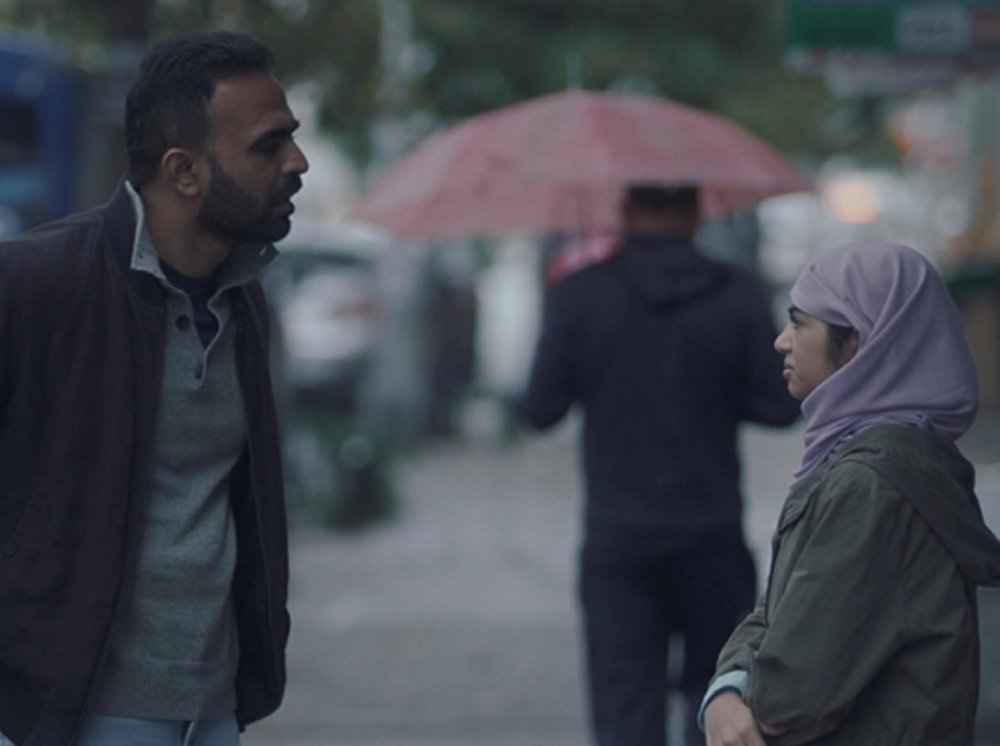
Wasim Azeez’s efforts extend beyond his individual performances. By choosing to participate in films and theater productions that emphasize cultural complexity and diversity, he is helping set the stage for a broader conversation about who gets to be seen and how. His work demonstrates that representation is not just about being seen on screen—it’s about being seen in a way that reflects the true diversity and complexity of people’s lives.
In The Cineplex, an internationally traveling TV pilot, Wasim Azeez plays a pivotal role in bringing comedy and drama to the screen in a format that resonates with global audiences. The show’s success at festivals across India, Canada, and the U.S. underscores how universal themes like friendship, aspiration, and identity can transcend cultural barriers. In addition to The Cineplex, Azeez’s short film Alone Alone on a Wide Wide Sea has also garnered recognition, making its way into the Croatian Film Festival. These accomplishments highlight Azeez’s dedication to portraying stories that resonate not only with South Asian viewers but with people of all backgrounds.
Moreover, his stage work further enriches this narrative. Wasim Azeez received a Best Performance nomination for his role in Black and White City Blues at the American Theater of Actors. This production was later voted Best Show of 2025 by TheaterScene. In this and other theater roles, Wasim Azeez demonstrates his versatility, proving that his commitment to authentic, multifaceted storytelling extends across different mediums.
Inspiring Future Generations of Artists
By breaking down barriers and challenging established narratives, Wasim Azeez is setting an example for future generations of South Asian artists. His work encourages other actors, writers, and filmmakers to bring their unique stories to the forefront, knowing that their experiences are valuable and deserve to be seen. As Wasim Azeez continues to push boundaries, he is part of a larger movement that seeks to change how immigrant and diaspora communities are represented in American media.