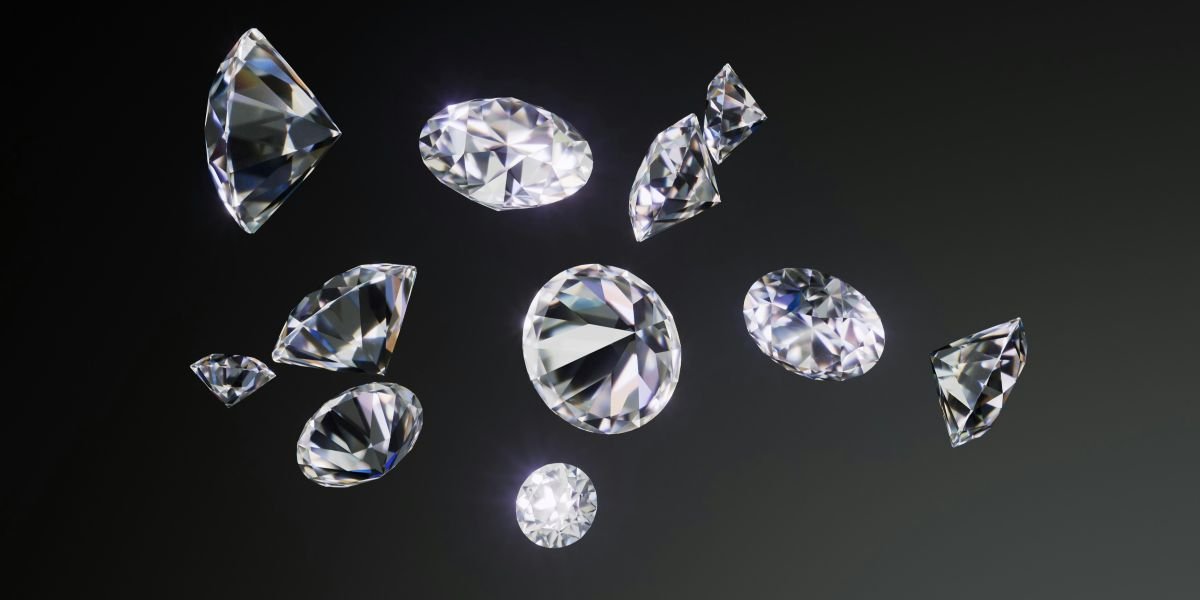
When you gaze into a diamond, what truly captivates you is not just the stone itself, but the way it interacts with light. This mesmerizing dance of flashes and rainbows is what gemologists call “light performance.”
While the stone’s origin – whether formed deep within the Earth or cultivated in a controlled laboratory environment – sets the stage, it is the cutter’s hand that directs the show. In modern gemology, the precision of the cut is a critical factor in determining the beauty and sparkle of a lab-grown stone.
Many consumers mistakenly believe that a diamond’s sparkle is an inherent trait of the raw material. However, a rough diamond, much like a block of marble, requires an expert artist to reveal the masterpiece within.
Precision cutting is the mathematical and artistic process of angling facets to ensure that light entering the stone is reflected to the viewer’s eye, rather than leaking out through the bottom or sides.
The Science of Sparkle: Reflection and Refraction
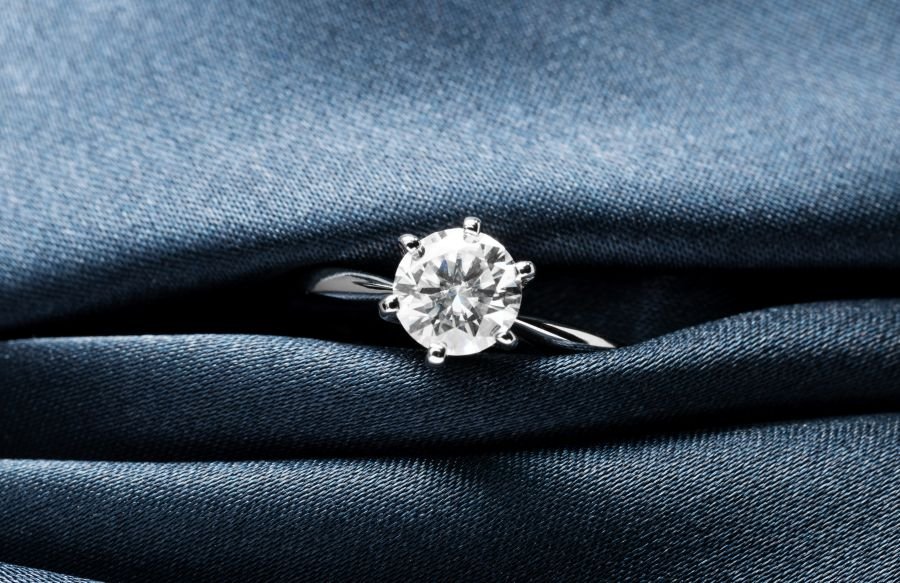
To understand why precision cutting is paramount, one must first understand the physics of light within a gemstone. When light hits a diamond, it undergoes three specific events that contribute to its overall beauty:
- Brilliance: The reflection of white light, creating brightness.
- Fire: The dispersion of light into the colors of the spectrum (rainbow flashes).
- Scintillation: The contrast of light and dark areas that creates sparkle when the stone or the observer moves.
Achieving a well-balanced combination of these three elements requires precise geometric proportions. If a stone is cut too shallow, light passes straight through it, making the gem appear watery or dull.
If it is cut too deep, the light escapes through the side, creating a dark center often referred to as a “nailhead.” Only a stone cut to ideal proportions can effectively reflect light internally and project it upward in a display of brilliance.
Technology Meets Artistry in Lab-Grown Stones
One of the distinct advantages of the lab-grown diamond industry is the integration of advanced technology in the cutting process. Unlike mining, which produces rough crystals of unpredictable shapes and internal flaws, the controlled growth process often yields rough material that is cleaner and more uniform. This allows cutters to utilize 3D scanning and laser mapping technologies to plan the most precise cut possible before the polishing wheel even touches the stone.
Because the raw material is high-quality, the emphasis shifts entirely to maximizing light return. Cutters are not forced to compromise the stone’s symmetry just to save carat weight, a common practice with natural rough diamonds, where every milligram counts toward the price. In the lab-grown sector, the focus is squarely on the “Ideal” or “Excellent” cut grades, ensuring consumers get the maximum sparkle for their investment.
The Impact of Symmetry and Polish
Beyond the primary angles, the “finish” of the diamond – specifically its symmetry and polish – plays a massive role in its final appearance. Symmetry refers to how well the facets align with one another.
In a precision-cut stone, the facets are like mirrors in a funhouse; if they are slightly misaligned, the reflection becomes distorted. Symmetry ensures that light moves evenly through the stone.
Consumers exploring the market today have access to a vast array of options that rival the finest geological specimens. In fact, many high-quality lab-grown diamond stones are cut to such exacting standards that they exhibit the coveted “Hearts and Arrows” pattern.
This visual phenomenon is a hallmark of optical symmetry, visible only through a special viewer, and is proof that the cutter took no shortcuts in crafting the gem.
Why “Cut” Is King Among the 4Cs
While Color, Clarity, and Carat weight are essential, Cut is the only “C” that is directly influenced by human skill. A diamond with high color and clarity may appear dull if it is poorly cut.
Conversely, a stone with a lower color grade or slight inclusions can look absolutely stunning if the cut is precise enough to mask these imperfections with intense light return.
For buyers of lab-grown stones, prioritizing the cut grade is an effective way to ensure visual impact. Since lab-grown diamonds are generally more affordable than mined diamonds, buyers often have the budget flexibility to insist on “Super Ideal” or “Astor” cuts, pushing the limits of what is optically possible.
Key Factors in Precision Cutting
When evaluating a cut, experts look at several technical indicators:
- Table Percentage: The width of the top facet relative to the width of the stone. An ideal range ensures a balance of fire and brilliance.
- Depth Percentage: The height of the diamond relative to its width. This dictates whether light will reflect properly or leak out.
- Girdle Thickness: The thin perimeter of the stone. It must be thick enough to prevent chipping but thin enough not to affect the aesthetic.
- Culet Size: The tiny point at the bottom. Ideally, this should be invisible to the naked eye to prevent light leakage.
Conclusion
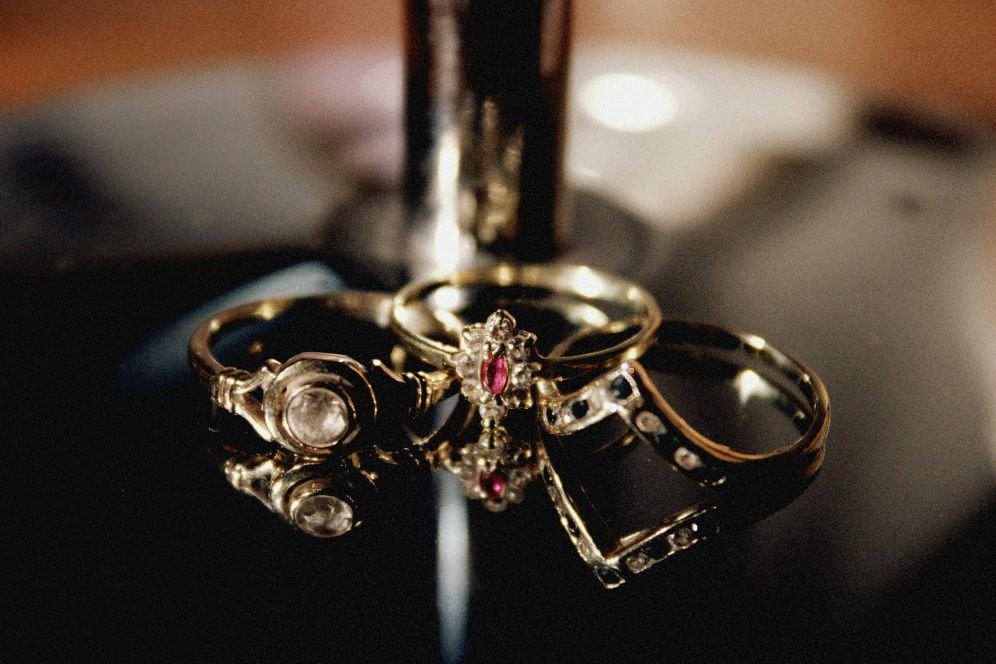
The journey of a lab-grown stone from a rough crystal to a sparkling jewel is defined by mathematics, physics, and artistry. Precision cutting is the key that unlocks the stone’s potential, transforming a transparent mineral into a vessel of light.
For anyone in the market for a lab-grown diamond, the advice from experts is unanimous: never compromise on the cut. It is the heartbeat of the stone, determining not just how it looks in the display case, but how it will sparkle for a lifetime.