By: Natalie Johnson
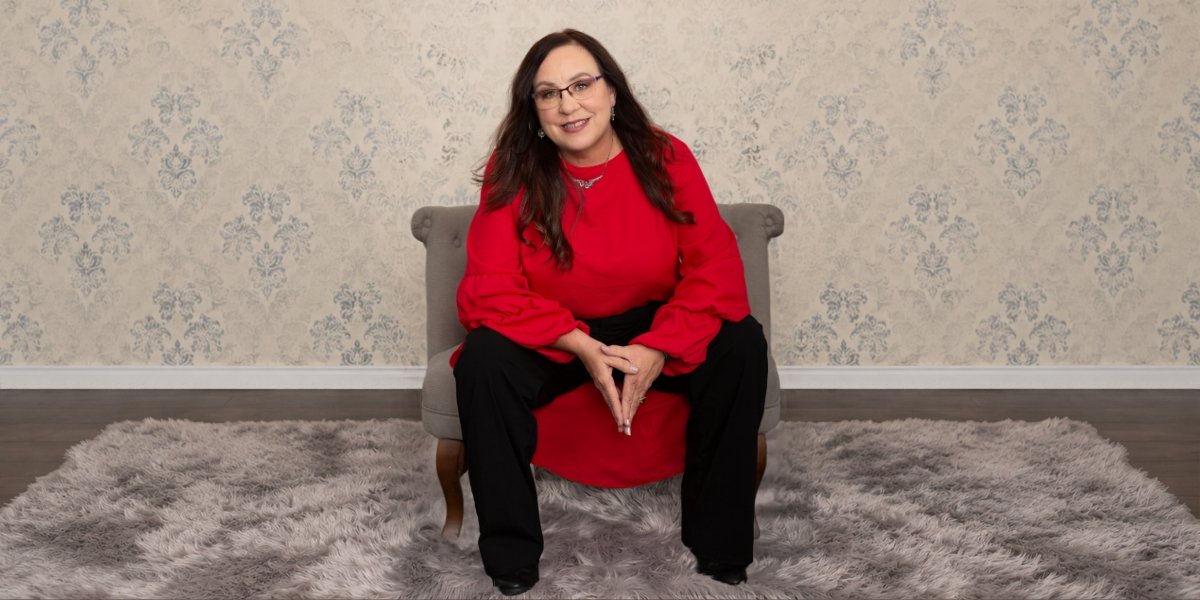
By the time most people discover the idea of running a group home, they’re already overwhelmed. The process can feel buried in red tape – a swirl of licensing requirements, operations manuals, and endless phone calls with caseworkers. But for Katrina Robinson, an Air Force veteran turned entrepreneur, the chaos wasn’t a deterrent. It was a system waiting to be fixed.
“I’ve lived my whole life around standard operating procedures,” she says, laughing. “If something’s known, it should be documented.” That mindset, forged in years of military personnel and management operations, became the foundation for her company, Group Home on Autopilot – a coaching program that helps aspiring group home owners launch profitable, remotely managed homes in a relatively short period of time.
Her mission is simple: help ordinary people turn affordable housing into a business that runs efficiently, creates impact, and offers the possibility of living life on their own terms.
A System Born from Service
Robinson’s path to entrepreneurship began, fittingly, with a checklist. “I took a bunch of courses and watched every YouTube video I could find about opening a group home,” she recalls. “Then I made myself a timeline and checklist based on everything I learned. Before I knew it, people were asking me for copies of it.”
The instinct to document came naturally to her, a habit honed during her time in the Air Force, where she learned that process is power. “In the military, you don’t do anything twice without a system,” she says. “That’s how I live my life.”
That discipline would soon find a new purpose. After her sister passed away, Robinson suddenly became a mother to two children. The loss shifted her perspective on what freedom and stability meant, forcing her to rethink her initial plans to buy an assisted living facility. “I realized I couldn’t be tied to one place 24/7,” she says. “I needed a business that could run without me.”
So she pivoted to independent group homes, where residents live together and share common spaces without requiring medical care or licensed assistance. “Once I understood that ‘unlicensed’ didn’t mean ‘illegal,’ I saw an opportunity to do good and build wealth.”
Within months, Robinson launched her first 15-bed property in Texas while living in Los Angeles. The home was filled in a short time. “That’s when I knew the systems worked,” she says. “I had found a way to combine real estate, service, and freedom.”
Turning Chaos into a Framework
In the online world of group home operators, Robinson noticed a familiar problem: most people were drowning in manual tasks. “Owners were spending six to eight hours a day chasing emails, scheduling tours, and managing residents, which are all things that could be automated,” she says.
Her solution was to create an “autopilot” system: a framework of templates, tech tools, and operational processes that could transform a hands-on business into a remotely managed one.
“There’s nothing glamorous about sending the same intake questions fifty times or scheduling tours over text,” Robinson explains. “I built systems that handle that automatically.” Interested tenants now complete an online intake form, schedule their own walkthroughs, and receive automated reminders. Caseworkers get pre-scheduled email updates for the entire year. “What takes others eight hours takes one of my coaching clients one hour,” she says. “That’s the difference between owning a business and being owned by one.”
For her, automation isn’t just a tool. It’s liberation. “Autopilot doesn’t mean passive,” she clarifies. “It means predictable. It means freedom to take a week off and know everything still runs.”
Building Impact Through Efficiency
At its core, Group Home on Autopilot is about merging social impact with financial independence. “People get into this space because they want to help,” Robinson says. “They see the housing crisis and think, ‘I can do something.’ But they also want time freedom. They’re tired caregivers, overworked professionals, or veterans ready to transition.”
Her six-week program walks clients through that transformation step by step: from CEO mindset and property setup to marketing, daily operations, and ultimately, automation. “By week six, they’ve got a blueprint for a home that runs efficiently, and a business that could change lives.”
The balance between purpose and profit, she insists, is not only possible but essential. “Affordable housing is a mission,” she says. “But missions don’t sustain themselves without money. When you systemize, you create both stability and scalability.”
A Future Built on Autopilot
As she looks toward 2026, Robinson is focused on scale, both for herself and her clients. She’s planning her first live training event in Los Angeles and setting goals to help a thousand new group home owners launch their own properties. “Every home means more affordable beds, more stability, more lives changed,” she says. “That’s the legacy.”
For a woman who once built a business out of a spreadsheet, the mission has evolved far beyond systems. “What I teach is freedom through structure,” she says. “Because when you build the right systems, you don’t just create income; you create the possibility of the life you actually want to live.”
To learn more about Katrina Robinson and how she can help you launch a purpose-driven group home that builds both freedom and impact, visit Group Home on Autopilot.
Disclaimer: The information provided in this article and through Katrina Robinson’s coaching program is intended for educational purposes only. The potential for financial success in operating a group home depends on a variety of factors, including market conditions, business practices, and individual effort. There are no guarantees of income, profitability, or success, and results may vary based on personal circumstances and business decisions. This article is not intended as business, financial, or legal advice. Readers should seek professional advice tailored to their specific situation when making business or financial decisions.