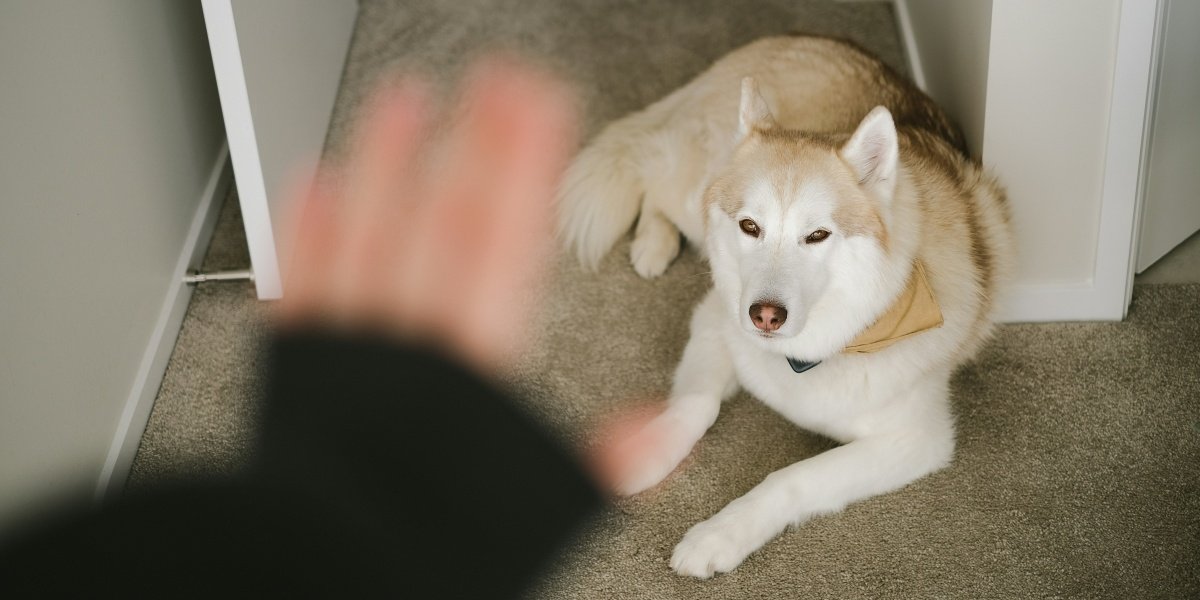
Dogs are often called “man’s best friend,” but even the most well-behaved pet can act unpredictably. A sudden bite or attack can cause serious physical injuries, emotional trauma, and unexpected medical expenses. Knowing how to handle a dog bite incident and understanding Michigan’s dog bite laws can help individuals take the right steps toward recovery and prevention.
Consulting with an experienced Michigan dog bite attorney can provide valuable guidance in understanding the legal process, determining liability, and exploring your options for compensation.
The Reality of Dog Bite Injuries
Dog attacks can vary in severity, but even a single bite can lead to lasting damage. Common injuries include:
- Deep puncture wounds or lacerations
- Nerve and tissue damage
- Infections such as rabies or cellulitis
- Scarring or disfigurement
- Emotional distress or post-traumatic stress
In some cases, victims may require surgery, physical therapy, or long-term psychological counseling to recover fully. These treatments can quickly become costly, which is why it’s important to consider the potential long-term impact.
Michigan’s Dog Bite Liability Law
Michigan has a “strict liability” law when it comes to dog bites. Under Michigan Compiled Laws §287.351, a dog owner is typically responsible if their dog bites someone, even if the dog has never shown aggression before.
Victims should understand the key factors that determine liability:
- The dog bite occurred without provocation.
- The victim was lawfully on public or private property.
- The defendant owned the dog at the time of the attack.
This law does not require proving negligence, which can make it easier for victims to recover compensation for injuries.
When Negligence May Apply
Negligence laws can apply in other situations, such as if an owner allows their dog to roam without a leash or fails to post warning signs on their property. Landlords can also face responsibility if they knew a tenant’s dog was dangerous but failed to act.
Each case depends on its specific facts, so individuals should be aware of the different ways the law can be applied.
What to Do After a Dog Bite
Taking the right steps immediately after a dog bite can help protect your health and strengthen your situation:
- Seek medical care: Even minor bites can lead to infection. Prompt medical attention can help prevent complications.
- Identify the dog and owner: Obtain the dog owner’s name, address, and vaccination records for their dog.
- Report the incident: Notify local animal control or law enforcement so there’s an official record of the incident.
- Document everything: Take photos of your injuries, the location of the attack, and any torn clothing or property damage.
- Gather witness information: Statements from bystanders can help confirm the details of the incident.
Potential Compensation
Victims of dog bites may face various costs depending on the severity of their injuries. Types of compensation to consider may include:
- Medical expenses: Hospital visits, medications, therapy, and potential future medical needs.
- Lost wages: Time missed from work due to injury or recovery.
- Pain and suffering: Physical pain and emotional distress resulting from the incident.
- Permanent scarring or disfigurement: Compensation for visible injuries that affect appearance.
- Property damage: For torn clothing or other personal belongings.
Common Defenses in Dog Bite Cases
Dog owners may attempt to avoid responsibility by claiming that the victim provoked the dog or trespassed on private property. Insurance companies may also argue that the injuries aren’t as severe as claimed. Victims should be prepared for these common defenses and understand how to document and present their case effectively.
The Role of Homeowner’s Insurance
In many cases, compensation for dog bite injuries comes from the dog owner’s homeowner’s insurance policy. These policies often cover personal liability for injuries caused by pets. However, insurance companies may attempt to limit payouts or deny claims. Being aware of how these policies work can help individuals navigate the process.
How Long Do You Have to File a Claim
In Michigan, dog bite victims generally have three years from the date of the incident to file a personal injury lawsuit. Missing this deadline may prevent recovery of compensation, so it’s important to act promptly to preserve the opportunity to seek restitution.
Preventing Future Dog Attacks
While individuals can’t change what’s already happened, responsible pet ownership can reduce the risk of future incidents. Dog owners should:
- Keep pets leashed and supervised.
- Ensure proper training and socialization.
- Post warning signs when needed.
- Maintain up-to-date vaccinations.
Responsible pet ownership helps prevent injuries to others and contributes to community safety.
Final Thoughts
Dog bites can be traumatic, both physically and emotionally. It’s important for victims to seek proper medical care and explore options for financial recovery to address their suffering. Understanding Michigan’s dog bite laws can help individuals take appropriate steps to seek accountability from dog owners and focus on recovery. Consulting with a qualified attorney, such as those at Cochranlaw firm, can provide valuable guidance in navigating the process — from reporting the incident to dealing with insurance claims — and ensure that your rights are considered. With the right support, you can move forward with confidence and begin to heal from such a painful experience.
Disclaimer: The information provided in this article is for informational purposes only and should not be construed as legal advice. Each dog bite incident is unique, and laws may vary by location. It is recommended to consult with a qualified attorney to discuss your specific situation and determine the ideal course of action.