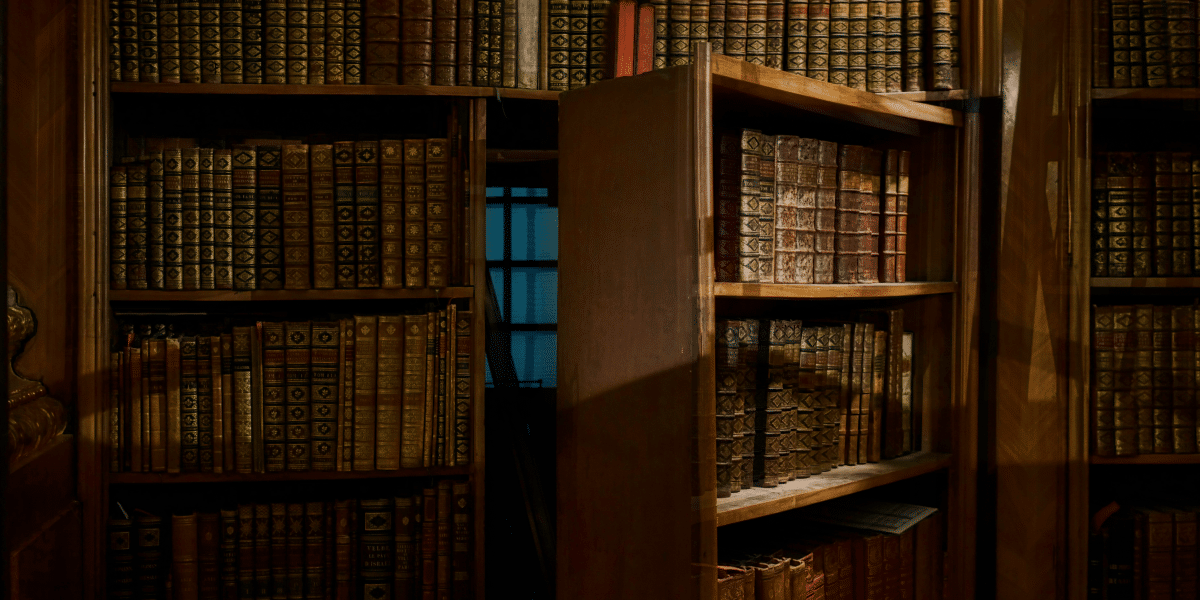
Adding a secret room or hidden space to your home is an exciting way to introduce mystery and functionality to your living space. Whether it’s for additional storage, a private retreat, or just the sheer joy of having a hidden nook, creating a concealed area in your house can be both practical and imaginative. Here’s how you can bring this unique idea to life.
Understanding the Purpose of Your Secret Space
Before diving into designs and blueprints, consider why you want a hidden room. Do you need extra storage, a home office, or a playroom? Perhaps it’s a safe room or a personal library you’re after. Knowing the purpose of your secret space will guide your design decisions and help ensure the room meets your needs.
Selecting the Right Location
Choosing the right spot for your hidden area is critical. Spaces like under staircases, basements, or unused closets are excellent candidates for hidden rooms. You could also create a hidden passage between existing rooms or convert part of a large room into a concealed section. Once you identify the location, consider structural factors such as load-bearing walls and accessibility.
Truecraft Construction specializes in innovative and practical home design solutions, including hidden rooms. Consulting with professionals can help you ensure your vision aligns with your home’s architectural integrity and safety requirements.
Concealing the Entrance
The entrance to your secret room is what makes it truly hidden. Bookshelves are a classic option, offering both functionality and disguise. They can be designed to pivot or slide, revealing the space behind them. For a more modern approach, consider sliding panels, mirrors, or wall art that doubles as a doorway.
Technology can also enhance your entrance’s concealment. Magnetic locks, remote-controlled doors, or even biometric systems like fingerprint scanners can make your secret room even more secure and impressive. Choose an entrance design that blends seamlessly with your home’s existing style to maintain the illusion.
Designing the Interior
Once the hidden room is physically built, it’s time to think about the interior design. The design should align with its purpose. For example, if it’s a home office, include a desk, ergonomic chair, and proper lighting. If it’s a private retreat, opt for cozy seating, soft lighting, and personal touches like artwork or books. Pay special attention to ventilation, heating, and cooling systems to ensure the room remains comfortable year-round.
For storage-focused spaces, custom shelving and cabinets can maximize usability without compromising on aesthetics. Whatever the purpose, the hidden room should feel like a natural extension of your home rather than an afterthought.
Incorporating Hidden Features
A secret room isn’t limited to just one hidden element. Incorporating additional concealed features can elevate the overall experience. For example, hidden safes, pull-out beds, or storage compartments can add more functionality to the space. You can also integrate soundproofing materials to ensure the room remains private and quiet.
Lighting is another crucial aspect. Recessed lighting, LED strips, or even concealed light fixtures can maintain the hidden aesthetic while ensuring the space is well-lit. Choose lighting options that enhance the room’s mood and purpose.
Navigating Challenges
Building a hidden space isn’t without challenges. Structural limitations, local building codes, and budget constraints can all impact the project. Hiring experienced professionals can help mitigate these issues and ensure your hidden room is both safe and functional.
Truecraft Construction’s expertise extends to crafting personalized solutions that blend creativity with practicality. Their Instagram showcases stunning examples of their work, offering inspiration for anyone looking to add unique features to their home. From concealed bookcases to cleverly hidden doors, their portfolio is a testament to the endless possibilities in home design.
Balancing Creativity and Functionality
While the idea of a secret room is inherently whimsical, it’s essential to balance creativity with functionality. A well-thought-out design will not only look good but also serve its intended purpose efficiently. Avoid overcomplicating the concept, as this can lead to higher costs and potential usability issues.
Think about long-term usability. If you plan to sell your home in the future, a well-integrated hidden space can add significant value. However, ensure it remains versatile enough to appeal to a broad range of buyers.
Budgeting for Your Secret Space
Creating a hidden room can vary widely in cost, depending on factors like size, materials, and technology. Setting a clear budget early on will help you make informed decisions about what features to include. Consider consulting with a professional to get an accurate estimate and identify potential cost-saving opportunities.
DIY enthusiasts might be tempted to tackle this project on their own. While this can save money, it’s crucial to know your limits. Some aspects, like structural modifications or electrical work, should be left to experts to ensure safety and compliance with building codes.
Bringing Your Vision to Life
Once you’ve finalized your design, budget, and materials, it’s time to start construction. This stage requires careful coordination, particularly if the hidden room involves complex features like motorized doors or custom-built furniture. Regular communication with your contractors will help keep the project on track and within budget.
After construction is complete, take time to personalize the space. Add finishing touches that make the room uniquely yours, whether it’s artwork, family photos, or custom décor. These details will make the space feel complete and truly hidden in plain sight.
Maintenance and Longevity
Once your hidden room is in use, don’t forget about maintenance. Regularly check hinges, locks, and other mechanical components to ensure they function smoothly. If your room features advanced technology, keep software and hardware up to date to avoid glitches.
Additionally, inspect the room for signs of wear or damage over time. Addressing minor issues early can prevent them from becoming costly repairs later. A well-maintained hidden space can serve as a functional and magical part of your home for years to come.
Incorporating a secret room or hidden space into your home is a rewarding endeavor that combines creativity, functionality, and a touch of intrigue. Whether you’re seeking a private retreat, additional storage, or a conversation-starting feature, the possibilities are endless. With proper planning, design, and execution, you can transform your vision into a reality that enhances your home’s appeal and utility.
Published by Elle G.