Each season brings its own unique charm, with distinct weather patterns, activities, and cultural traditions. The question of which season is the favorite is often influenced by personal preferences, childhood memories, and how we interact with the natural world. Whether you’re drawn to spring’s blooming flowers, summer’s sunny warmth, fall’s crisp air, or winter’s cozy charm, each season offers something special to enjoy.
In this article, we’ll explore the many factors that influence seasonal preferences, from environmental and psychological impacts to cultural and economic considerations. Let’s dive into the characteristics that make each season a contender for the title of “favorite.”
Environmental and Climatic Factors
The natural world plays a central role in shaping seasonal preferences. People often gravitate toward the climate and scenery that align with their personalities and lifestyles.
Temperature and Weather Patterns
Seasons differ dramatically in temperature, precipitation, and daylight hours, and these differences significantly influence our preferences:
- Spring: Known for its moderate temperatures and refreshing rains, spring is a time of renewal. Many people enjoy the mild climate and the anticipation of warmer days ahead.
- Summer: With long, sunny days and consistently warm weather, summer is ideal for those who thrive in the heat and love outdoor adventures.
- Fall: Fall’s cooler, more stable weather is a favorite for those who enjoy crisp air and a break from summer’s intensity.
- Winter: For fans of frosty mornings, snowfall, and cozy nights by the fire, winter’s chilly embrace provides a sense of magic and tranquility.
Natural Scenery and Phenomena
The natural events and visual beauty associated with each season also play a role in shaping preferences:
- Spring: The sight of blooming flowers, budding trees, and lush greenery makes spring a favorite for nature lovers.
- Summer: Golden beaches, vibrant sunsets, and clear blue skies define summer’s appeal.
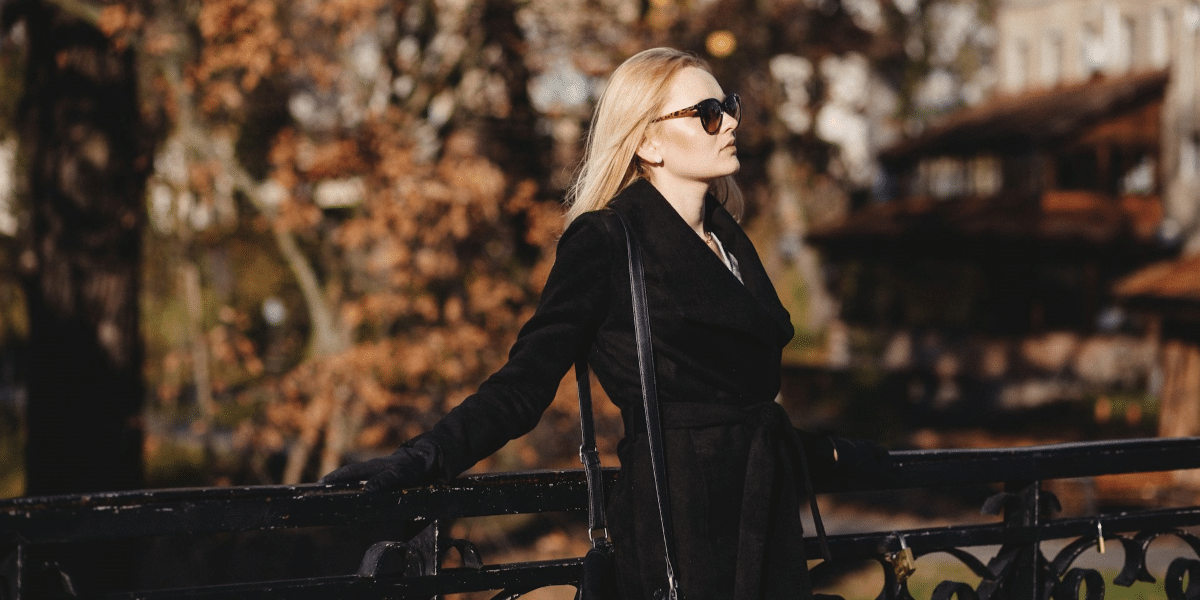
- Fall: The breathtaking colors of changing leaves, ranging from amber to deep crimson, make autumn a favorite for photographers and romantics alike.
- Winter: Pristine snow-covered landscapes and sparkling icicles give winter its iconic, serene beauty.
Cultural and Social Activities
Our cultural practices and social habits are often tied to specific seasons, making them more enjoyable and memorable.
Festivals and Holidays
Many people associate their favorite season with the traditions and celebrations it brings:
- Spring: Festivals like Easter and Holi celebrate renewal and growth. Spring also marks the start of wedding season for many cultures.
- Summer: Barbecues, outdoor concerts, and holidays like Independence Day make summer a time for relaxation and revelry.
- Fall: Thanksgiving and harvest festivals bring people together, offering a sense of warmth and gratitude.
- Winter: Christmas, Hanukkah, and New Year’s Eve are steeped in joy and togetherness, making winter the season of festive cheer.
Recreational Activities
Season-specific activities contribute significantly to preferences:
- Spring: Gardening, hiking, and picnics offer a connection to nature as it awakens from winter.
- Summer: Swimming, surfing, and camping are perfect for outdoor enthusiasts.
- Fall: Pumpkin picking, hayrides, and leaf-peeping offer nostalgic experiences.
- Winter: Skiing, snowboarding, and ice skating attract adventure seekers, while curling up indoors with hot cocoa appeals to those who prefer coziness.
Psychological and Health Considerations
The way seasons impact our mental health and energy levels can have a profound effect on which one we prefer.
Seasonal Affective Disorder (SAD)
SAD is a condition where mood and energy levels fluctuate with the seasons, often worsening during the darker months of fall and winter. For those affected, spring and summer often become favorites as the longer daylight hours and increased sunlight alleviate symptoms and improve overall mood.
General Well-Being
Beyond SAD, seasons can affect how we feel in more subtle ways:
- Spring and Summer: Sunlight boosts serotonin levels, enhancing happiness and energy. Warmer weather also encourages outdoor activities, which are linked to improved mental health.
- Fall: Many find fall’s slower pace calming and reflective, offering a chance to reset after summer’s hustle.
- Winter: While winter’s short days can be challenging for some, others find comfort in its stillness and the opportunity to focus on indoor hobbies.
Agricultural and Food Availability
Seasonal foods and culinary traditions tied to the time of year often shape our affection for particular seasons.
Seasonal Foods
The flavors of each season evoke sensory memories:
- Spring: Fresh asparagus, strawberries, and peas symbolize renewal and freshness.
- Summer: Juicy peaches, watermelons, and barbecued delights are synonymous with summer’s abundance.
- Fall: Pumpkin spice, apple cider, and roasted vegetables make fall a season of warm, hearty flavors.
- Winter: Comfort foods like stews, soups, and hot chocolate offer warmth and nostalgia during the colder months.
Local Food Consumption
Many people value consuming locally grown, seasonal foods for their freshness and sustainability. This connection to the earth’s rhythms can deepen one’s appreciation for a particular season, as it becomes associated with the bounty it provides.
Economic and Occupational Factors
Work schedules, tourism, and economic cycles can also influence seasonal preferences.
Employment Patterns
For those in industries with seasonal fluctuations, favorite seasons often align with lighter workloads or peak earnings:
- Retail workers may favor the busy, lucrative holiday season in winter.
- Farmers and landscapers might prefer spring and summer for their productivity and growth opportunities.
- Teachers and students often love summer for its extended break from academic responsibilities.
Tourism and Travel
The ability to travel and explore can shape seasonal preferences:
- Summer: The peak travel season, with beach vacations and global adventures in full swing.
- Winter: Popular for holiday travel and ski trips, offering magical getaways.
- Spring and Fall: Off-peak seasons attract those seeking quieter, budget-friendly escapes.
Why People Love Spring
Spring represents renewal, growth, and the reawakening of life. Its mild temperatures, blooming flowers, and opportunities for outdoor recreation make it a favorite for those who thrive on change and new beginnings.
Why People Love Summer
Summer’s long, sunny days and vibrant energy appeal to those who enjoy outdoor adventures, social gatherings, and the freedom that comes with warm weather. It’s a season of fun and exploration, making it an ideal choice for many.
Why People Love Fall
Fall’s beauty lies in its tranquility and reflection. The crisp air, colorful foliage, and nostalgic traditions like apple picking and pumpkin carving make it a beloved season for those who appreciate life’s slower moments.
Why People Love Winter
Winter offers a blend of magic and coziness. Its snowy landscapes, festive celebrations, and opportunities for indoor relaxation create a unique atmosphere that resonates with those who enjoy serenity and warmth.
What’s Your Favorite Season?
Choosing a favorite season is a deeply personal decision influenced by a mix of environmental, cultural, and emotional factors. Each season offers unique experiences and opportunities, from spring’s renewal to summer’s vitality, fall’s reflection, and winter’s magic.
Whatever your choice, the beauty of the seasons lies in their diversity. They remind us of life’s cyclical nature and provide moments to cherish throughout the year. So, what’s your favorite season—and why? Embrace it, celebrate it, and find joy in the moments it offers.