


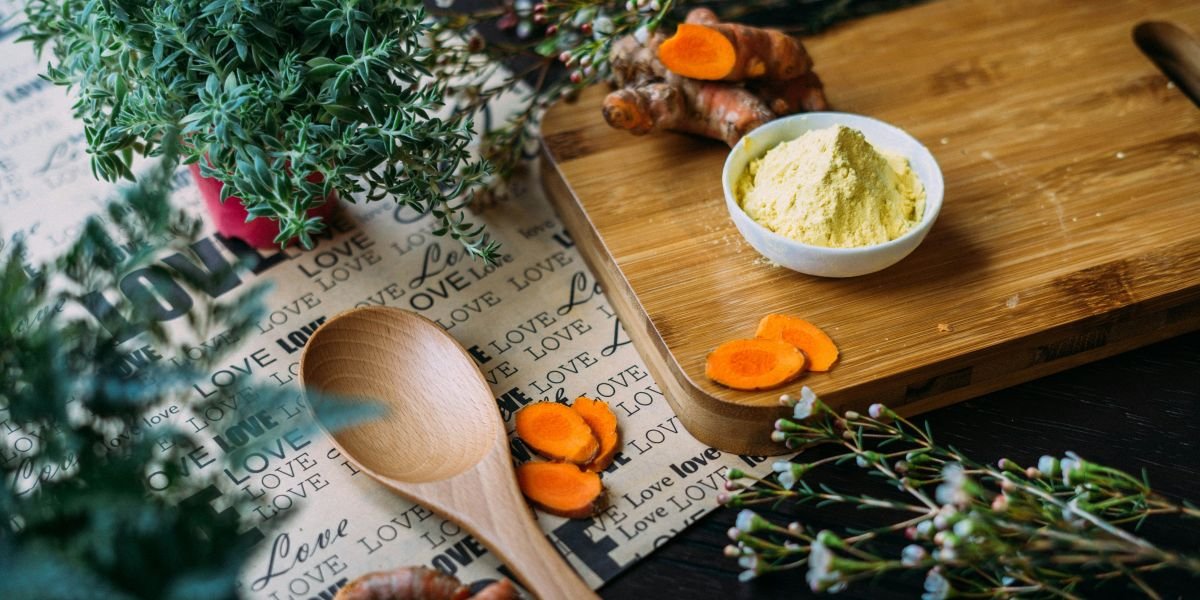
Pick up almost any herbal supplement, and you will find some version of the same phrase on the label: “traditionally used for” digestive support, stress relief, or immune health. The words appear so frequently that they risk becoming invisible, a legal placeholder rather than a meaningful claim.
But for a number of well-documented herbs, traditional use is a substantive concept. It represents centuries of observation across multiple cultures, refined through generations of practice in a way that, while not equivalent to clinical trial data, carries its own form of signal. Understanding what traditional use actually means, and what it does not, can help wellness consumers make more informed choices about the plants they bring into their routines.
What Does “Traditional Use” Actually Mean?
In regulatory terms, traditional use generally refers to documented human use of a substance over an extended period, often defined as 30 years or more, with at least 15 of those years within a recognized medical tradition. The European Medicines Agency, for example, uses this framework to evaluate herbal products that lack modern clinical trial data but have a well-established historical record.
In practice, traditional use draws from several distinct systems: European folk medicine, Traditional Chinese Medicine (TCM), Ayurveda from the Indian subcontinent, Indigenous healing practices from the Americas and Africa, and others. Each system developed its own diagnostic frameworks and therapeutic logic, which means that an herb used across multiple unrelated traditions for the same purpose is generally considered to have a stronger historical case than one with a single regional record.
Traditional use is not a substitute for clinical evidence, and most herbalists and integrative health practitioners would not claim otherwise. What it does offer is a starting point, a population-level observation conducted over a very long time, which can inform both consumer decisions and research priorities.
Ashwagandha: 3,000 Years in Ayurvedic Practice
Ashwagandha (Withania somnifera) is among the most thoroughly documented herbs in the Ayurvedic tradition, where it has been used for roughly 3,000 years as a rasayana, a category of remedies associated with longevity, vitality, and resilience. Historical texts describe its use for fatigue, cognitive function, and what modern practitioners might recognize as stress-related complaints.
Modern research has begun to catch up. Several randomized controlled trials have examined ashwagandha’s effects on cortisol levels and self-reported stress, with results generally supportive of its traditional applications. The active compounds, withanolides, are now reasonably well characterized. Ashwagandha represents one of the cleaner examples of a traditional use claim that has attracted meaningful scientific interest and, so far, holds up reasonably well under scrutiny.
Turmeric: Culinary Staple and Ancient Medicine
Turmeric (Curcuma longa) has been cultivated in South Asia for at least 4,000 years, used both as a culinary spice and as a medicinal plant in Ayurvedic and traditional Chinese medicine. Its historical applications were broad, from topical use for skin conditions to consumption for digestive complaints and use in preparations for joint discomfort.
The modern research focus has narrowed considerably onto curcumin, turmeric’s primary active compound, and its anti-inflammatory properties. That research has been substantial and, at times, has been subject to some overhyping. Curcumin has poor bioavailability on its own, a fact that generated an entire secondary market for absorption-enhanced formulations.
The traditional use of turmeric as a whole food in fat-rich cooking may have always been a more effective delivery mechanism than isolated curcumin supplements, which is itself an instructive lesson about the gap between traditional practice and modern supplementation.
Goat’s Rue: A Traditional Herb with a Modern Footnote
Goat’s rue (Galega officinalis) is less well known than the previous examples but has one of the more remarkable stories in herbal medicine, which connects medieval European practice directly to a cornerstone of modern pharmacology.
The plant has been documented in European herbal traditions since at least the Middle Ages, used primarily to support milk production in nursing mothers and livestock, and for its association with blood sugar regulation in people showing signs of what we would now call metabolic imbalance. It was a common enough remedy that it appeared in multiple European herbals across several centuries.
What distinguishes goat’s rue historically is what happened in the twentieth century. Researchers investigating the plant’s active compounds isolated galegine, which was found to have glucose-lowering properties. That line of research contributed, through a series of chemical modifications, to the development of metformin — one of today’s most widely prescribed medications worldwide for the management of type 2 diabetes. The traditional use was not a vague claim. In this case, it was pointing to something pharmacologically real.
Today, goat’s rue tincture remains in use among herbalists and nursing mothers, valued for the same applications that earned it a place in European folk medicine centuries ago. Its story is a useful reminder that traditional use, at its most specific and well-documented, can be a meaningful signal rather than simply a marketing formality.
Elderberry: From European Folk Medicine to Modern Pharmacies
The elder plant (Sambucus nigra) has been used in European herbal traditions for so long that it appears in the writings of Hippocrates, who referred to it as his “medicine chest.” Across centuries of folk practice in Northern and Central Europe, elderberry preparations were used primarily for respiratory complaints, including colds, the flu, and related symptoms.
What makes elderberry’s trajectory notable is how directly its traditional application maps onto its current commercial use. Today, it is one of the best-selling herbal supplements in the United States, marketed almost exclusively for immune support during cold and flu season. While not conclusive, a body of modern research has explored its anthocyanin content and potential antiviral properties. The alignment between historical use and contemporary application is unusually tight.
Ginger: A Remedy That Crossed Every Border
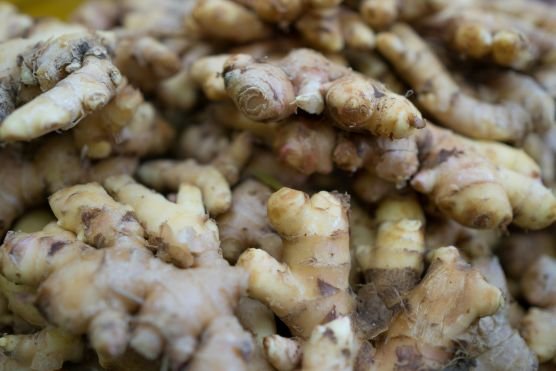
Few plants appear as consistently across unrelated healing traditions as ginger (Zingiber officinale). It is documented in ancient Ayurvedic texts dating back more than 2,000 years, referenced in early Chinese medical literature, used by ancient Greek and Roman physicians, and traded along spice routes precisely because of its perceived medicinal value. The breadth of its traditional footprint is unusual even by herbal standards.
The applications varied somewhat by tradition, but a core cluster of uses includes digestive complaints, nausea, cold and respiratory symptoms, and inflammation, which appears across virtually all of them. That cross-cultural convergence on similar applications is considered a meaningful signal in herbal research, as it suggests multiple independent populations arrived at the same conclusions through observation.
Modern research has been particularly supportive of ginger’s traditional use for nausea. Clinical trials have examined its effects on morning sickness, chemotherapy-induced nausea, and postoperative nausea, with generally positive results. Its active compounds, gingerols and shogaols, have also been studied for their anti-inflammatory properties. Of all the herbs with long traditional histories, ginger may have the most direct and consistent line between ancient use and contemporary clinical findings.
Where Traditional Use and Modern Research Diverge
Not every herb with a long history of use has fared well under clinical investigation. Some have shown limited efficacy in controlled settings. Others have revealed safety concerns that historical use did not surface, partly because traditional preparations often differed significantly from modern concentrated extracts, and partly because long-term, population-scale adverse event tracking did not exist.
This is not a reason to dismiss traditional use as a category, but it is a reason to treat it as one layer of evidence among several, weighted more heavily when it is specific (particular preparations for particular conditions in identifiable populations) and less heavily when it is vague or inconsistent across traditions.
The most useful framework for wellness consumers is probably that traditional use is a reasonable starting point for deciding which herbs are worth learning more about. It is not, on its own, sufficient grounds for therapeutic claims. When traditional use, basic safety data, and modern research all point in the same direction, that convergence is worth paying attention to.
History as a Starting Point, Not a Final Answer
The phrase “traditionally used for” deserves more respect than it typically receives and more scrutiny than it usually gets. For a handful of well-documented plants, it represents a remarkably long observational record, conducted across cultures and centuries, that modern science is only beginning to examine systematically.
For general wellness readers navigating an overcrowded supplement market, the most useful thing that history can offer is not validation, but prioritization. The herbs with the deepest, most specific, and most cross-cultural records of use are reasonable candidates for closer attention. What science does with that attention is, increasingly, a story worth following.
Disclaimer: This article is for informational purposes only and is not intended as medical advice. Consult a qualified healthcare professional before beginning any herbal supplement, particularly if you are pregnant, nursing, or managing a medical condition.


